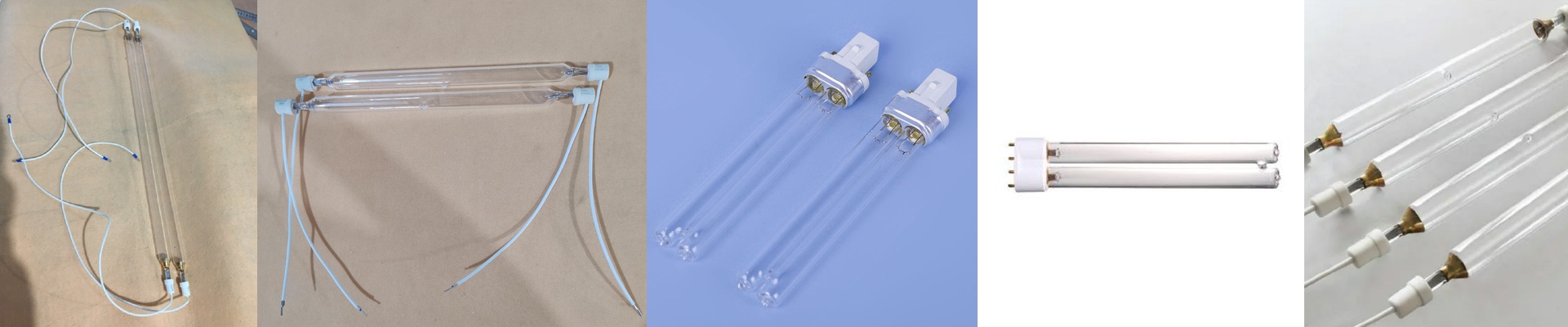
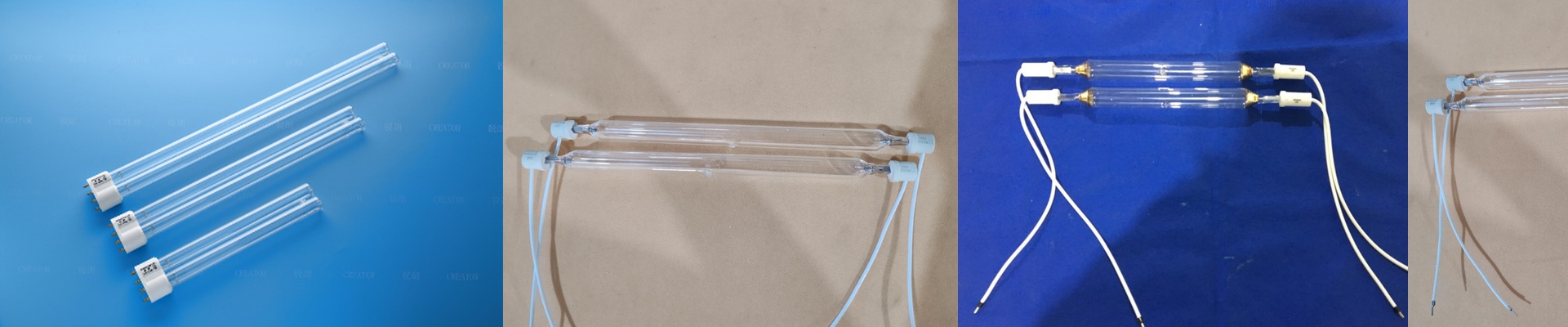

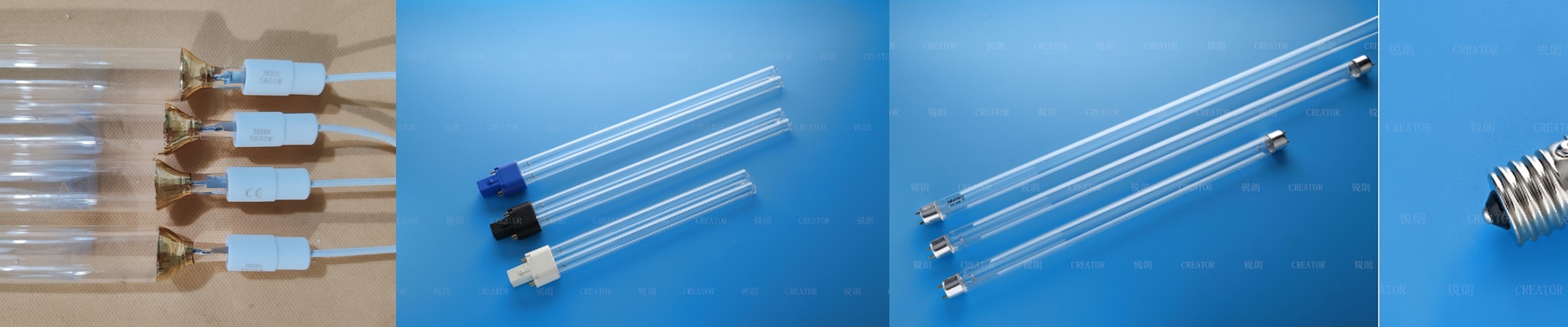
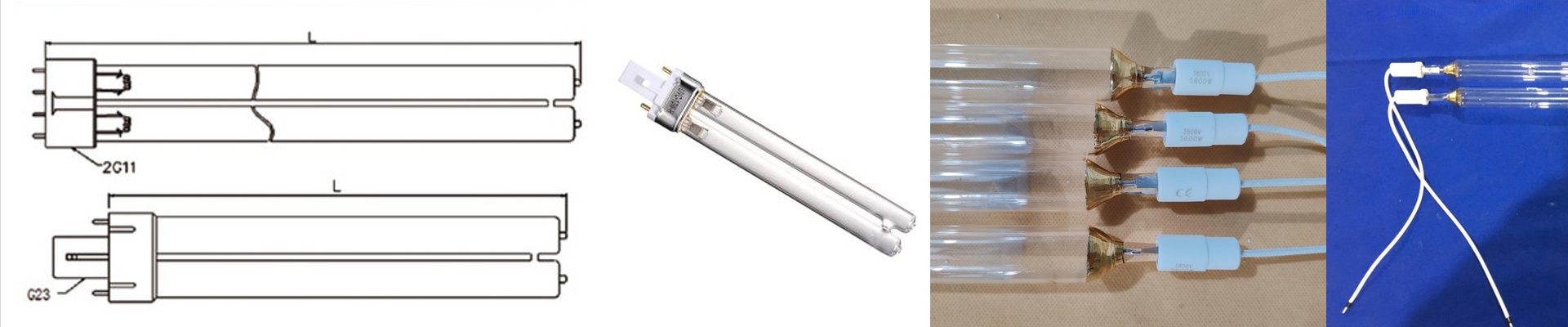
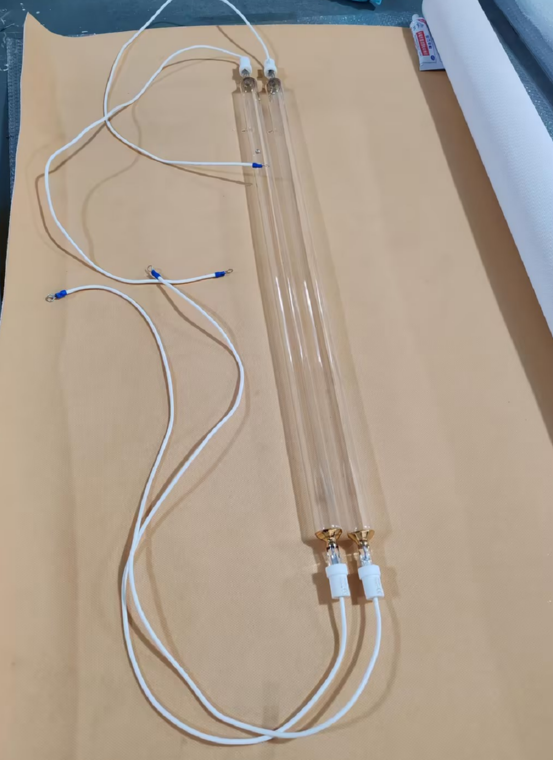
Getting the UV Peak Just Right
Most UV lamps call themselves “germicidal,” but there’s a huge gap between a basic bulb and a tool that’s actually engineered for precision. It all comes down to the spectral peak. We obsess over a tiny window—between 253.7nm and 254nm. If you slide just a few nanometers off that mark, DNA and RNA simply don’t absorb the photons as well. That means you’re stuck running your system longer or cranking up the heat just to get the same results. It’s a waste of time and energy.
The Messy Physics of the Arc
To get the output we want, we play around with the gas mix and the pressure inside the quartz envelope. High-pressure mercury vapor gives us a denser plasma arc, which pumps out more photons. But there’s a trade-off. That extra power puts a lot of stress on the electrodes. To stop them from burning out too early, we use thoriated tungsten filaments. And a word of caution: if you cram too many watts into a short tube, you’re asking for thermal shock. You have to find that sweet spot between power density and the thickness of the quartz walls, otherwise, the glass will just crack during rapid start-stop cycles.
Why the Glass Matters
Standard glass is a wall; it blocks UV. That’s why we use high-purity synthetic quartz with very low hydroxyl (OH) content. It ensures those 254nm photons actually get out of the lamp instead of getting trapped in the glass. We make sure our quartz hits at least 92% transmission. Cheaper quartz tends to “yellow” or solarize over time. It’s frustrating because your output drops off a cliff long before the filament actually gives up.
The Real-World Stuff
When you’re wiring these into a high-output array, the lamp impedance and the ballast have to be a perfect match. If they aren’t, you’ll deal with annoying flickering or sockets that get way too hot. We built these to be drop-in replacements for industrial HVAC and water rigs, so they should slide right in. Just a heads-up: high-intensity UV-C is brutal on plastics and gaskets. If you’re installing these in a tight spot, double-check your seals. If you use the wrong materials, they’ll turn brittle and crack in a few months.