
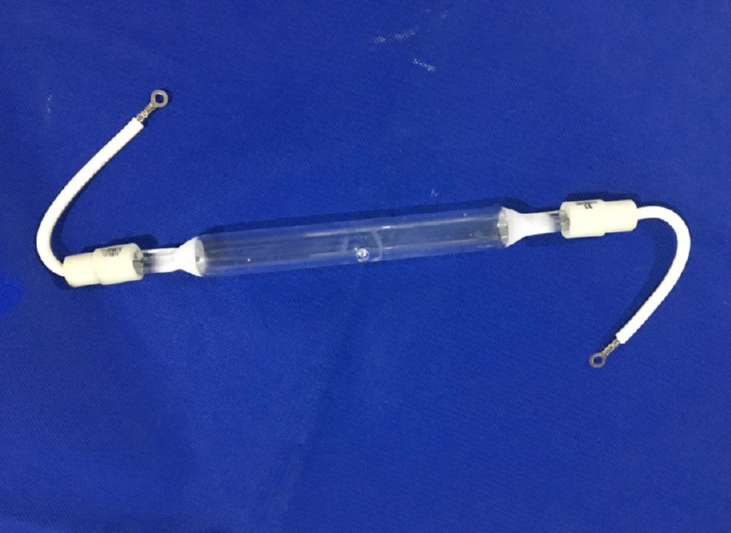
Let’s Talk About Gallium Iodide UV Lamps
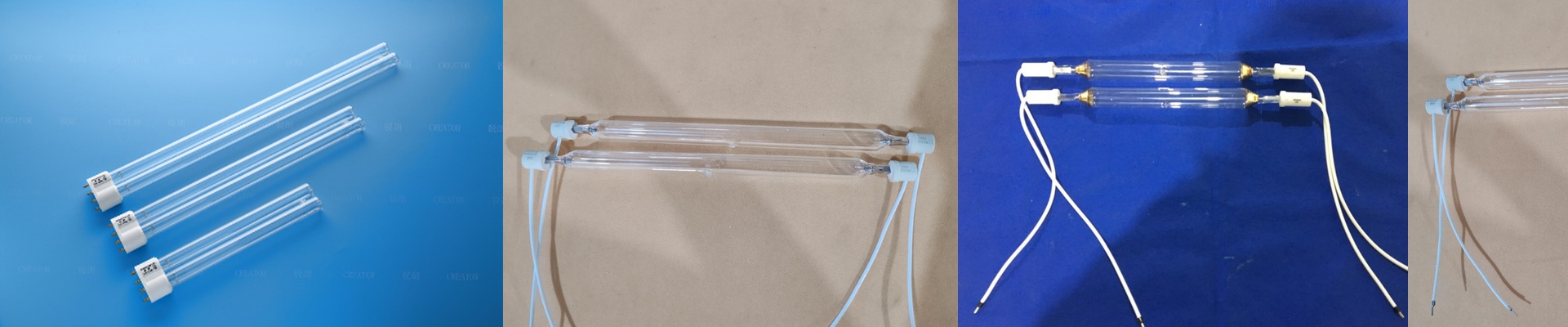
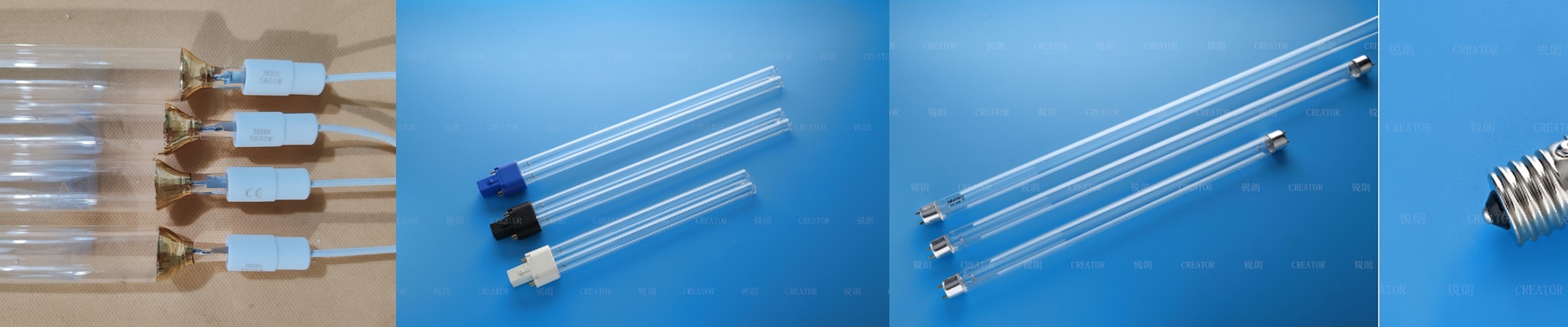
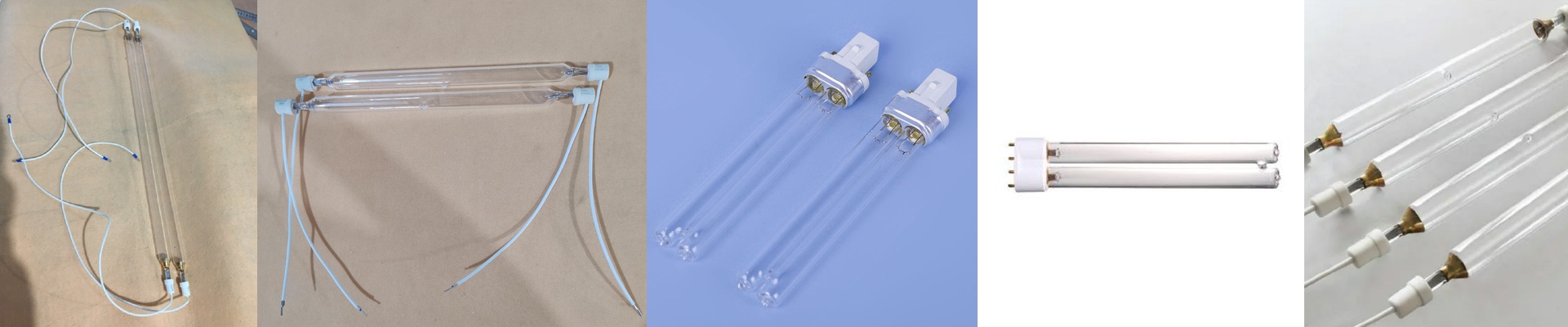
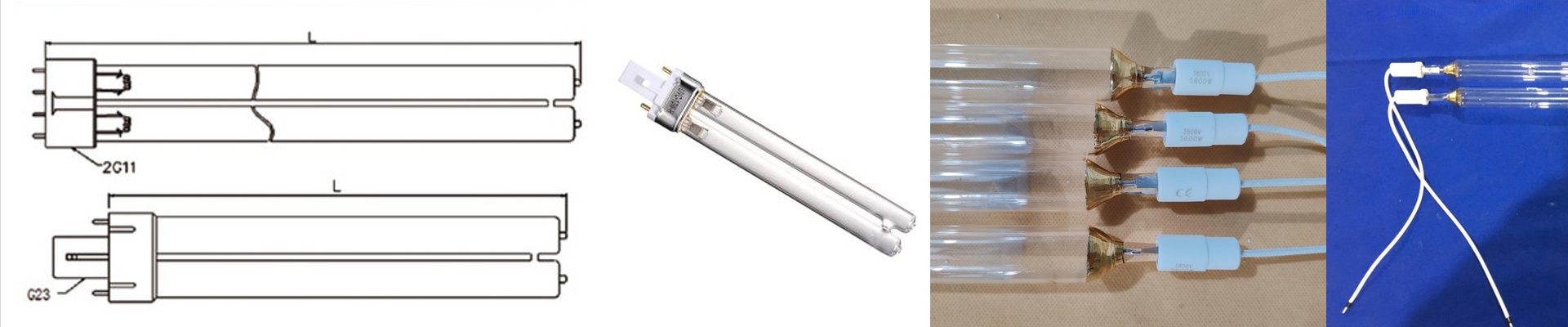
We’ve spent a lot of time walking the shop floors of about 3,000 different printing plants. We wanted to see where UV systems actually fall apart. What we found is that most of the time, the bulb isn’t even the problem. The real issue is a mismatch. The lamp’s light just isn’t talking to the ink’s photoinitiators. That’s why, for high-speed industrial jobs, we lean on Gallium Iodide (GaI) tech. Getting the cure right Standard mercury lamps usually peak at 254nm and 365nm. But GaI shifts that light toward the 300nm to 400nm range. Why does that matter? Because today’s thick-film inks and pigmented coatings act like a shield—they block shortwave UV. If you use the wrong lamp, you get “surface curing.” That’s the nightmare scenario where the top skin feels hard, but the bottom is still wet. You wind the roll, and everything smudges or peels right off. GaI punches through that layer. It gets deep. Dealing with the heat Here’s the thing: Gallium lamps run hot. Really hot. To get the power you need, we push a lot of wattage into a small space, which puts a ton of stress on the quartz glass. To keep the tubes from cracking when you’re flipping them on and off, we use fused silica. It handles the thermal shock much better. But you’ve got to keep an eye on your cooling blowers. If your airflow is off, you’re asking for trouble. The lamp will either burn out way too early or, worse, you’ll actually warp your substrate. Making it fit Nobody wants to rewire an entire press just to change a bulb. We know that. So, we design these as drop-in replacements. They use the same footprints and connector pins you already have. Simple. We also spent a lot of time on the electrode composition to stop “sputtering.” You know that dark film that builds up on the inside of the glass? That’s sputtering. It kills your UV output long before the gas is actually gone. We focus on keeping the arc stable so the light stays consistent from one end of the tube to the other.