
Optimizing High-Pressure Mercury UV Lamp Integration
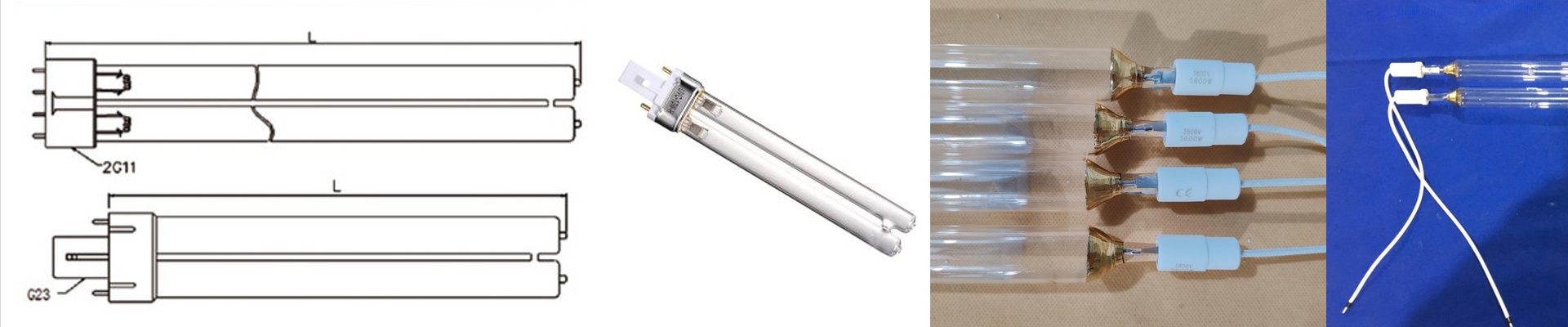
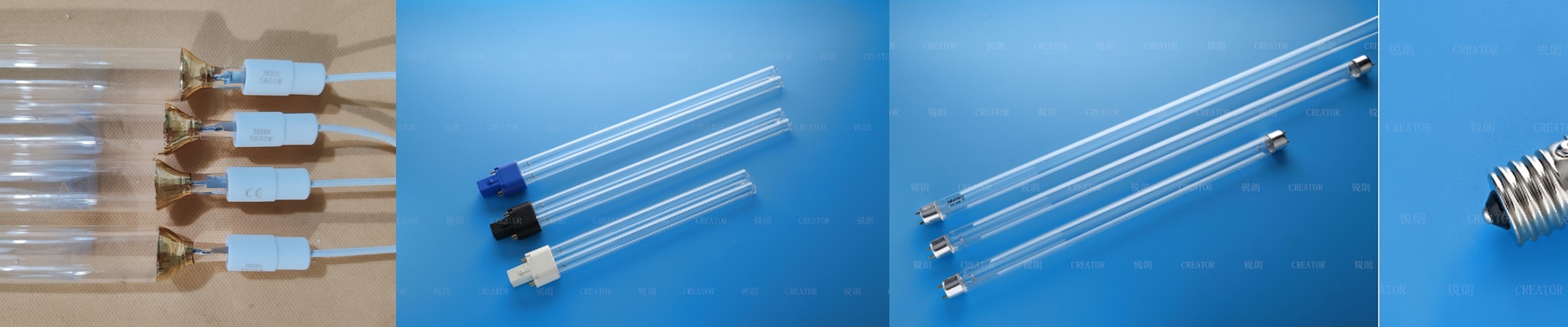
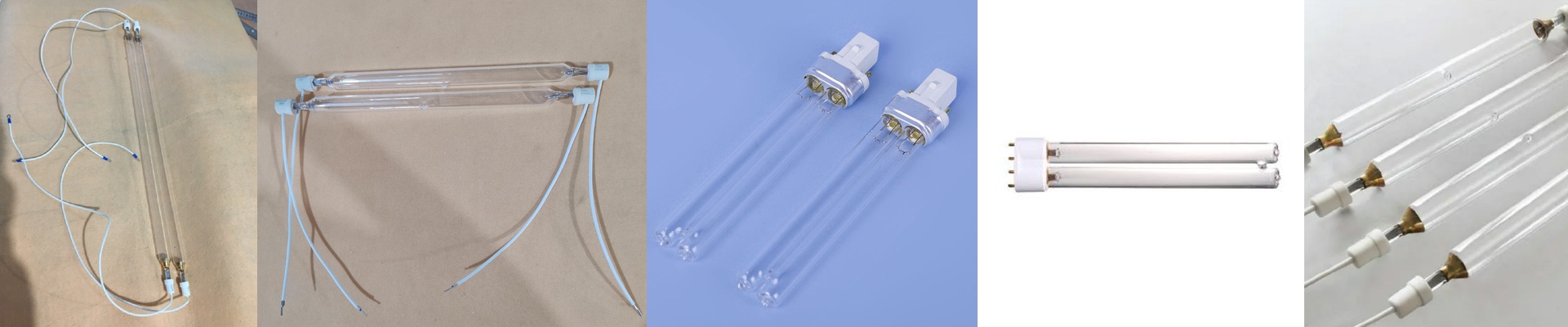
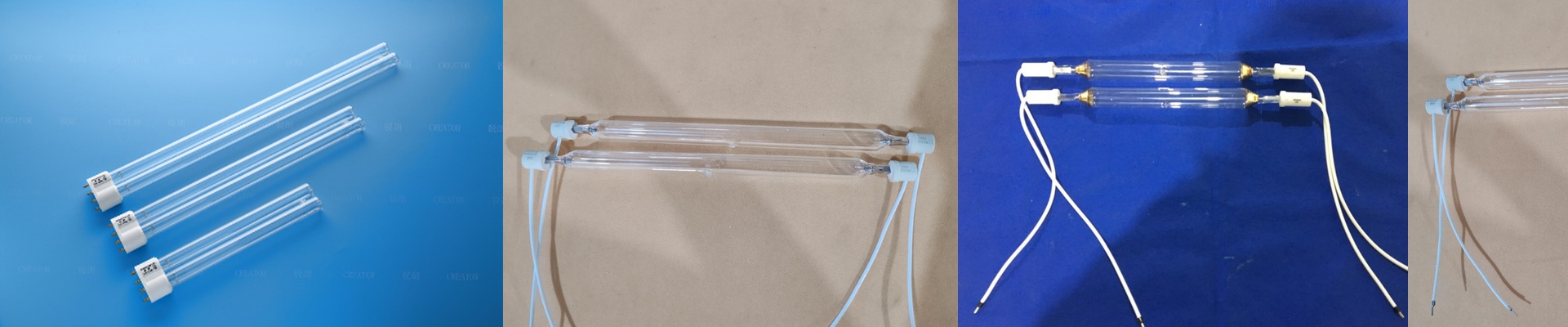
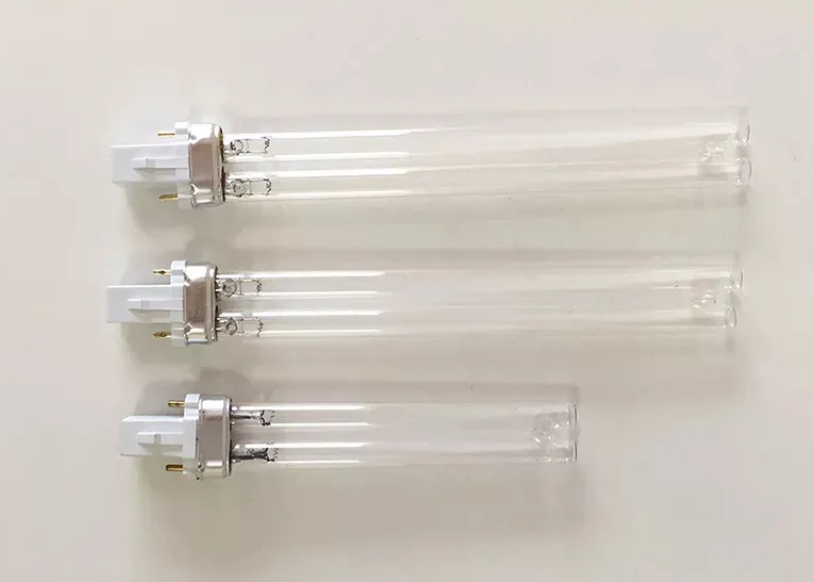
High-pressure mercury lamps remain the standard for industrial UV curing and sterilization because they pack a massive amount of UVC and UVB energy into a small footprint. We build these tubes to handle the stress of continuous operation in high-heat environments.
The Physics of High-Pressure Discharge
We use a high-pressure arc to force mercury vapor into a plasma state. This creates a broad emission spectrum. Unlike low-pressure lamps that only hit 254nm, our high-pressure tubes deliver a range of wavelengths that penetrate deeper into thick coatings or resins. You get faster cure times. The trade-off is heat. These lamps run hot. If your cooling fans or water jackets aren’t spec’d correctly, you’ll see the quartz envelope cloud over or the electrodes burn out prematurely.
Quartz Grade and Thermal Stress
We use high-purity fused quartz to ensure maximum UV transmission. We don’t use cheap glass; it would melt or block the shortwave radiation. The seal between the quartz and the end-cap is where most lamps fail. We’ve tightened our tolerances on the pinch-seal to prevent gas leaks. If the vacuum breaks, the lamp is dead.
Supply Chain and Cost Integration
We control the entire production line from raw quartz sourcing to the final electrode assembly. This removes the middleman markups you usually see with distributors. You get factory-direct pricing without sacrificing the technical specs.
Implementation Reality
When you wire these up, ensure your ballast matches the lamp’s starting voltage. A mismatch will shorten the lamp life by half. These are drop-in replacements for most 2026-standard UV systems, but always check your reflector alignment. A shifted reflector wastes 20% of your output.