
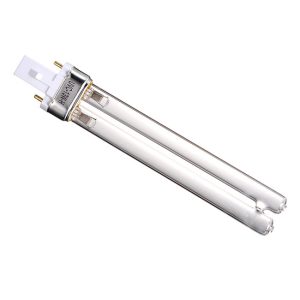
Getting the Wavelength Right: Why Our UV Lamps Actually Work
When we design our UV germicidal lamps, we’re obsessed with one thing: hitting the exact right spot on the light spectrum. Most people just talk about “UV-C” like it’s one big bucket of light. We don’t. We spend our time in the lab isolating the specific wavelength where DNA and RNA actually break down. It’s the difference between throwing a bucket of water at a fire and using a precision nozzle. One is messy; the other gets the job done.
The secret is in the peaks
Most of these lamps hover around 253.7 nm. That’s fine, but we go a step further. We tighten that emission band so the energy hits the microbes directly, without wasting power on light that doesn’t do anything. Here’s why that matters for you:more kill power per watt. You can either use fewer lamps to get the same result or just turn down the power draw. Either way, your electricity bill looks better, and the germs still disappear.
The gear we use
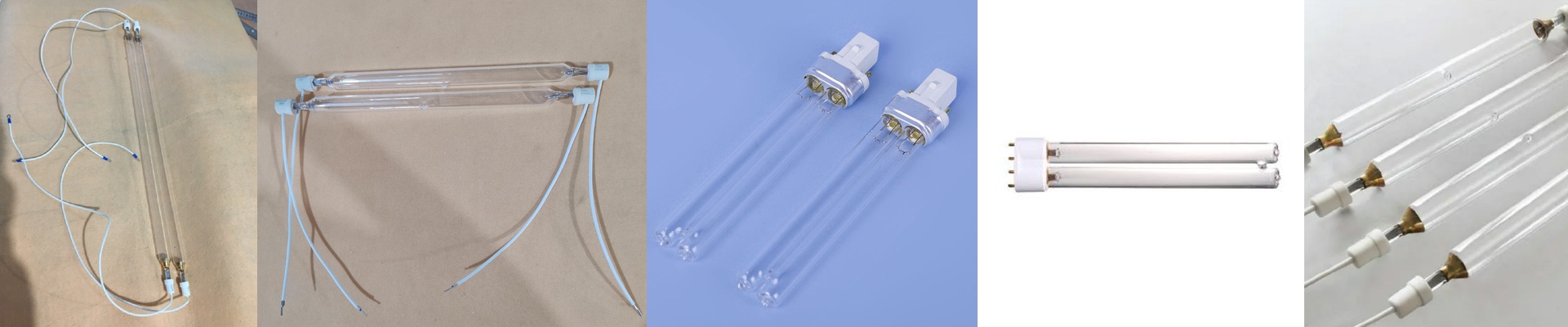
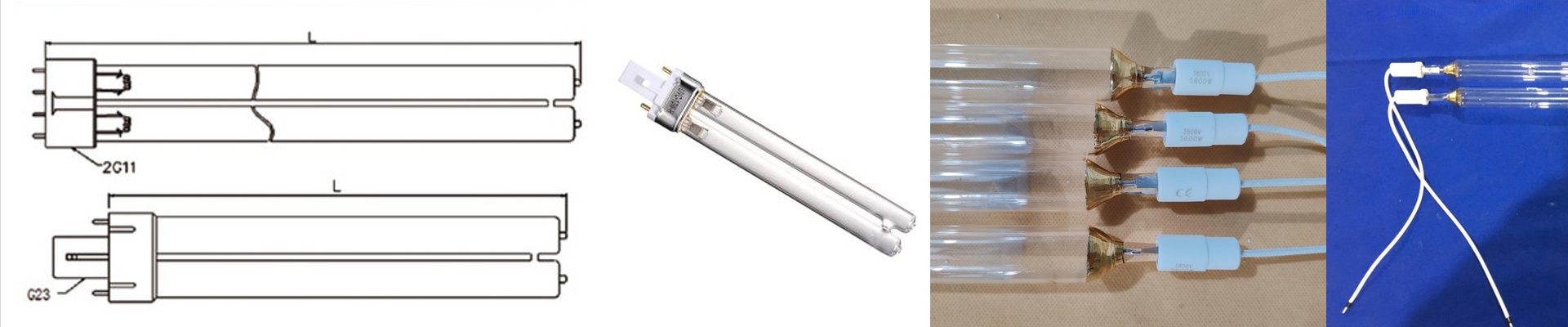
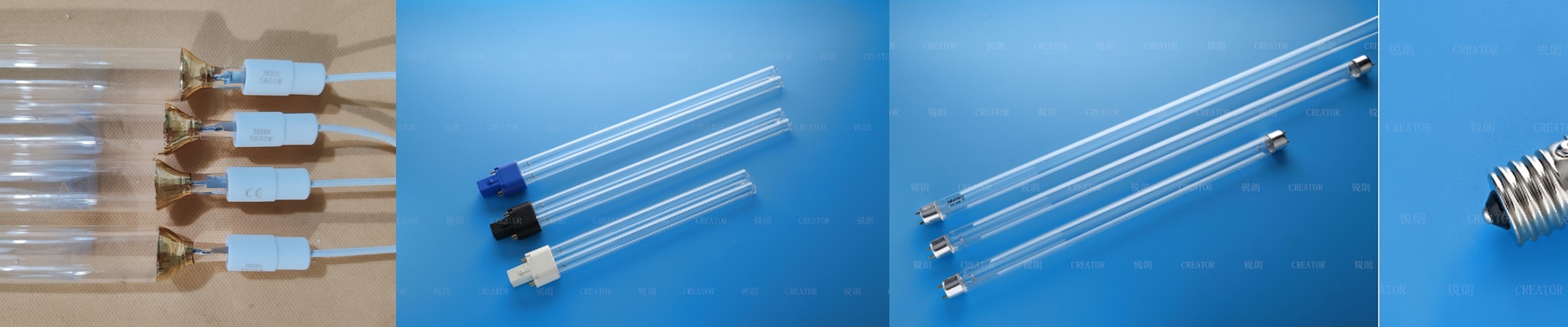
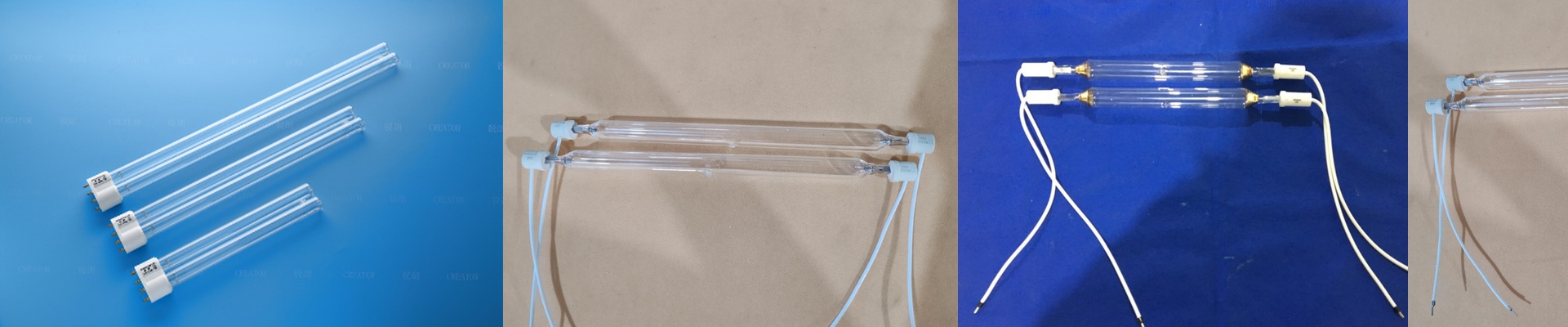
You can’t just use any glass for this. Standard glass blocks UV-C entirely. That’s why we use high-purity synthetic quartz. It lets that shortwave radiation slide right through without getting trapped. We also tweaked the electrodes. We “doped” them to stop sputtering—that annoying process where the glass gets cloudy over time. Because the glass stays clear, the light stays strong for much longer. Plus, we messed around with the internal gas mix to keep the arc cooler. It just makes the whole system run smoother and puts less stress on your fixtures.
A few things to keep in mind
These are designed to slide right into your existing high-intensity arrays. They work great. But because we’ve packed so much energy into a small space to save you power, the end-caps can get pretty hot. Make sure your housing has plenty of airflow. If the base overheats, it doesn’t matter how fancy the quartz is—the lamp’s life will drop. As long as your ballast keeps a steady current, these things are workhorses. They don’t drift, they don’t flicker, and they just keep humming along through those heavy industrial cycles.