
Getting the Light Just Right: The Struggle for 0.5%
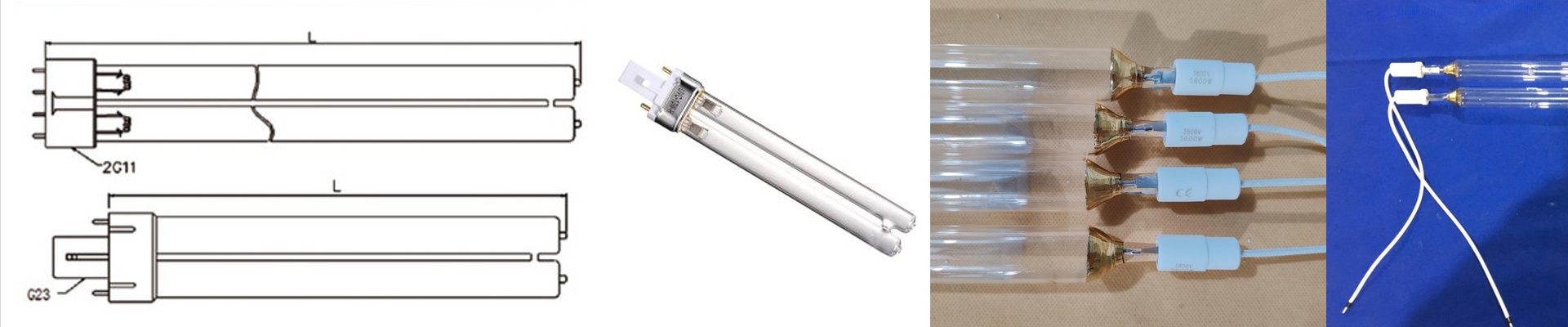
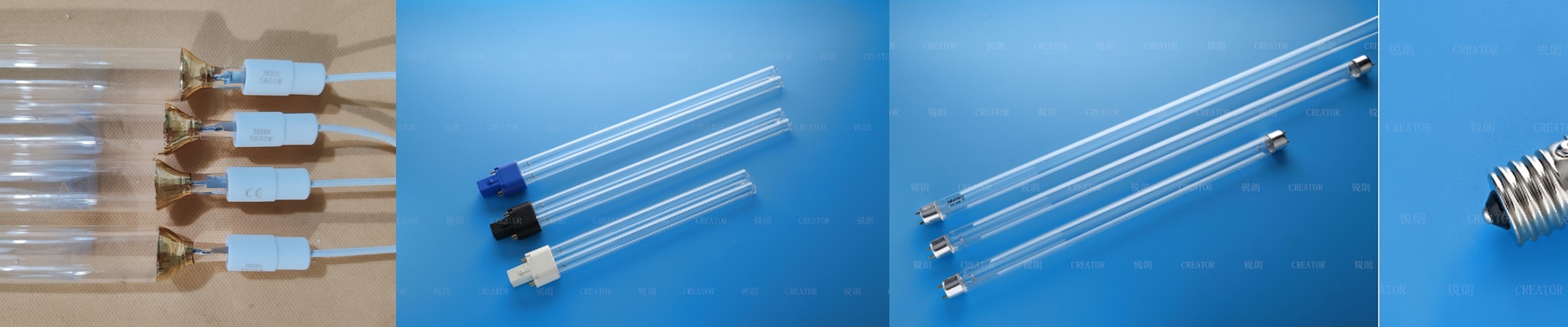
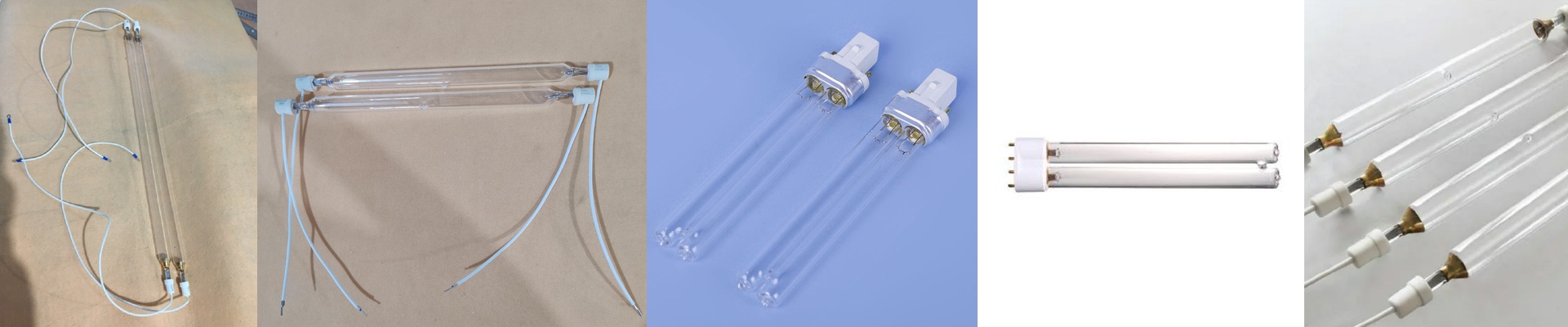
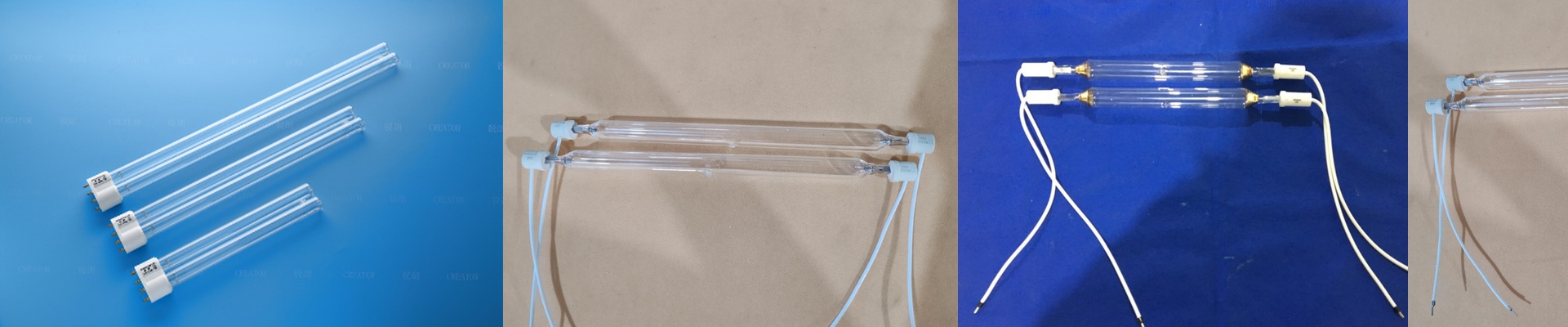
Look, we aren’t just swapping out lightbulbs here. In the world of industrial UV, the difference between a perfect part and a total waste of materials usually comes down to where the energy is actually hitting. Lately, we’ve been obsessed with one specific goal: tightening that spectral energy concentration so it stays within a 0.5% variance. The battle against “drift” Most UV lamps have this annoying habit called spectral drift. Basically, the energy leaks into wavelengths you don’t actually want. It’s a waste of power, and worse, it can cook your substrate. To fix this, we spent a lot of time messing with gas mixtures and the way the electrodes are shaped. The goal was to keep the arc stable and force the energy into a much tighter band. It was a grind. We went through hundreds of versions just to keep that energy from spreading out. The catch Here’s the thing: when you squeeze energy that tightly, the lamp gets incredibly hot at the center of the arc. You can’t just plug these into some random old ballast and hope for the best. If your power supply is shaky or has too much ripple, that spectral peak shifts. Just like that, your 0.5% precision is gone. You need a current source that’s rock-solid to keep the output flat. Putting it to work These lamps are designed to slide right into your existing curing lines or sterilization tunnels. Because the energy is so concentrated, you might find you can speed up your conveyor or cut down the dwell time without worrying about under-curing. We built these for the engineers who obsess over every single millimeter of their line. It takes the guesswork out of the equation. One quick tip, though: since the energy density is so high, double-check your reflector alignment. If your mirrors are off, it doesn’t matter how much precision we engineered into the tube—you’re just wasting it.