
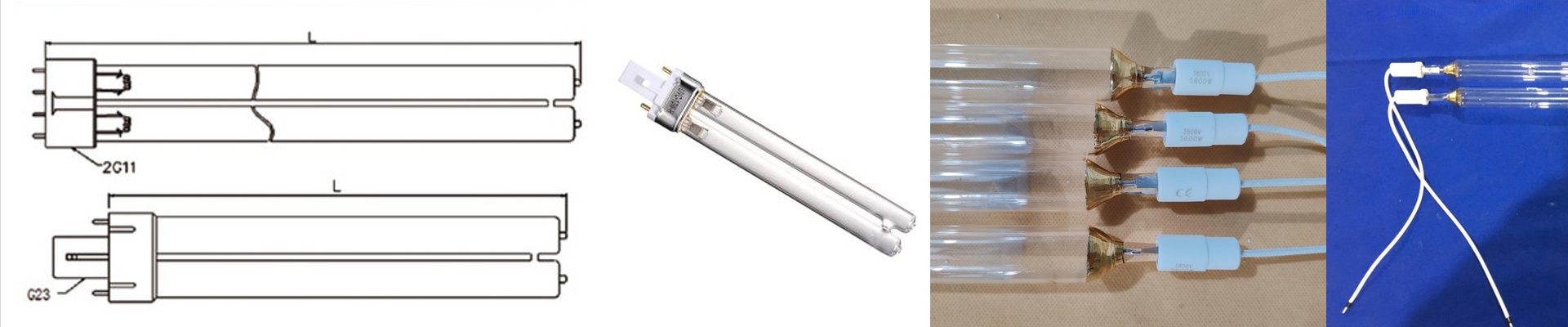
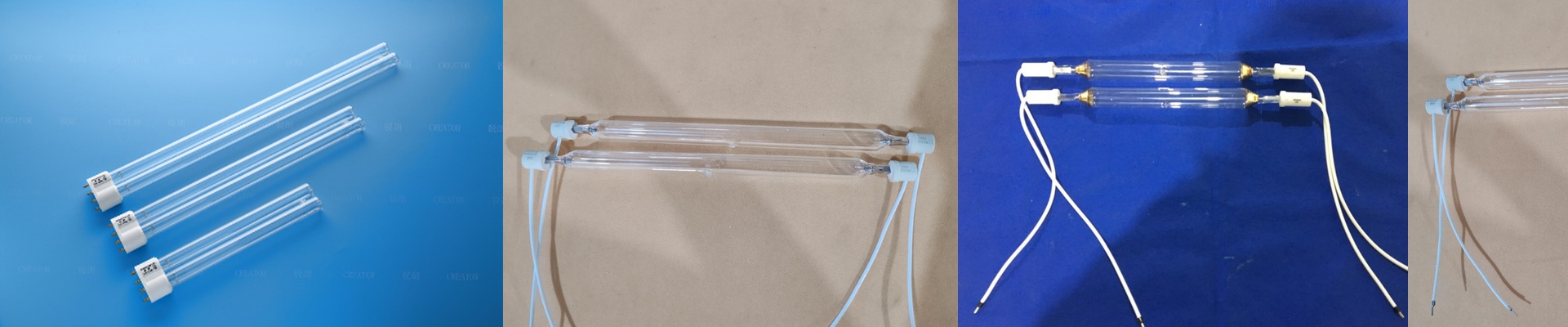
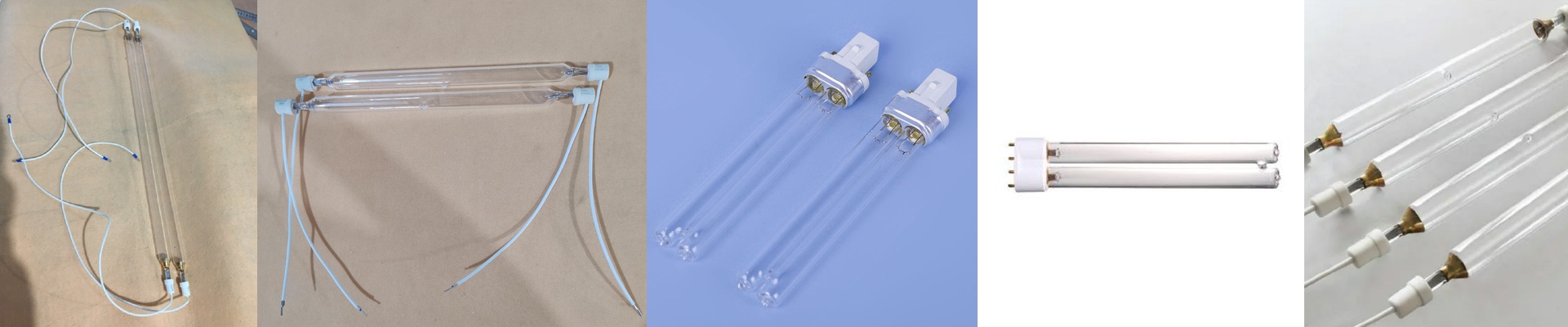
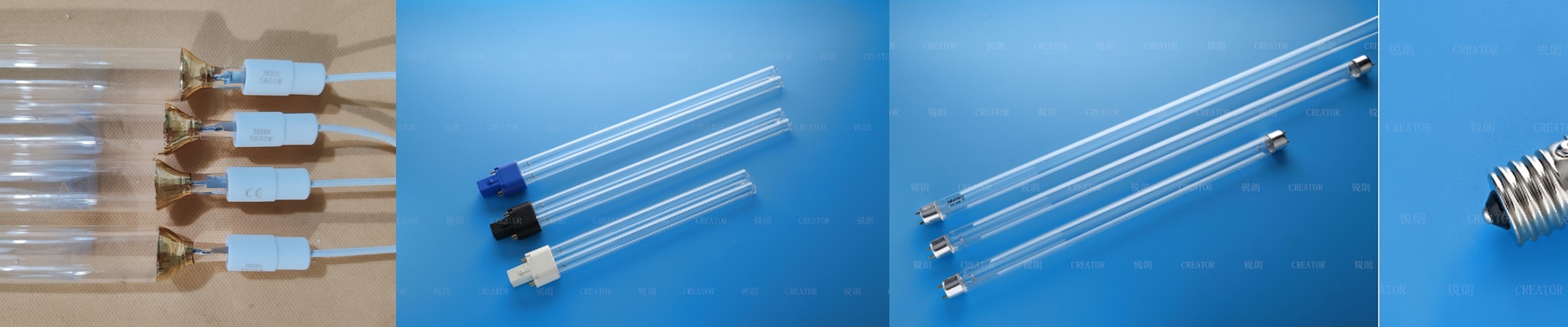
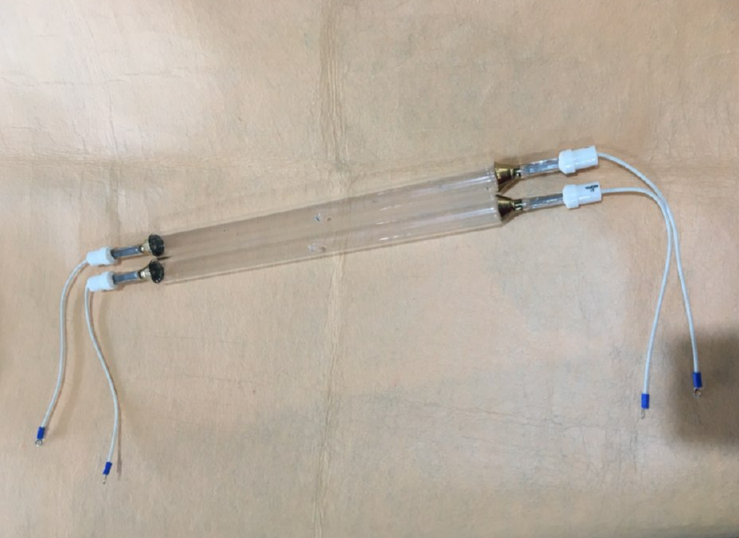
Getting Your UV Energy Exactly Where It Needs To Be
Most UV lamps just blast energy everywhere. For a lot of people, that’s fine. But if you’re building high-precision gear, that wide spread is basically just wasted power. We spent our R&D time figuring out how to tighten that energy concentration down to a 0.5% variance. We aren’t talking about lighting up a room here. We’re talking about hitting a specific wavelength with total precision so your photoinitiators trigger exactly when they should, without cooking your substrate.
The struggle to hit 0.5%
Getting that kind of tolerance is a pain. We had to completely rethink the gas mixture and how the electrodes are shaped. See, if the arc wanders or the gas pressure jumps around, your spectral peak shifts. It’s like trying to hit a bullseye while someone is shaking your arm. To fix this, we tightened the specs on the quartz envelope thickness and swapped in a better electrode alloy to stop sputtering. The result? A stable arc. No drift. You get the same cure rate from one end of the lamp to the other.
The trade-offs (The honest part)
Here is the thing: you can’t just plug these into a generic ballast and expect magic. You need a stabilized power supply. If your power flickers, your spectral output goes with it. We built these to drop right into ODM lines, but there’s a catch. When you concentrate energy this tightly, the lamp ends gethot. Really hot. If you don’t spec your cooling fans or water-jackets to handle that heat, you’re going to burn through your electrodes way too fast. Don’t skip the cooling.
What this actually does for your line
If you’re the one designing the curing line, this is where it gets good. That 0.5% concentration means you can crank up the conveyor speed. You don’t have to worry about those annoying under-cured spots popping up randomly. It just takes the guesswork out of the whole process. You set your parameters once. The lamp delivers that same energy profile in the first hour and still does it at hour five thousand. No more messing with the belt speed every single shift just to keep up with the drift. It just works.