
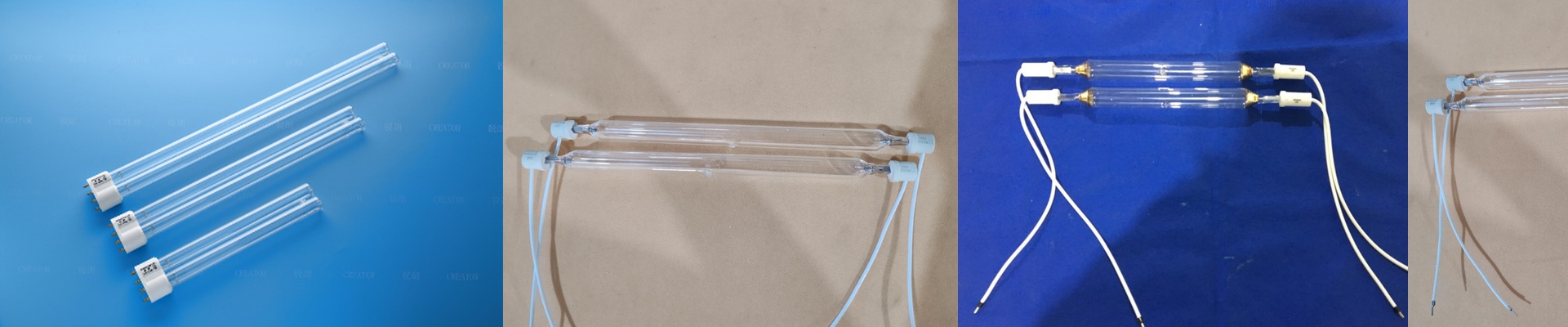
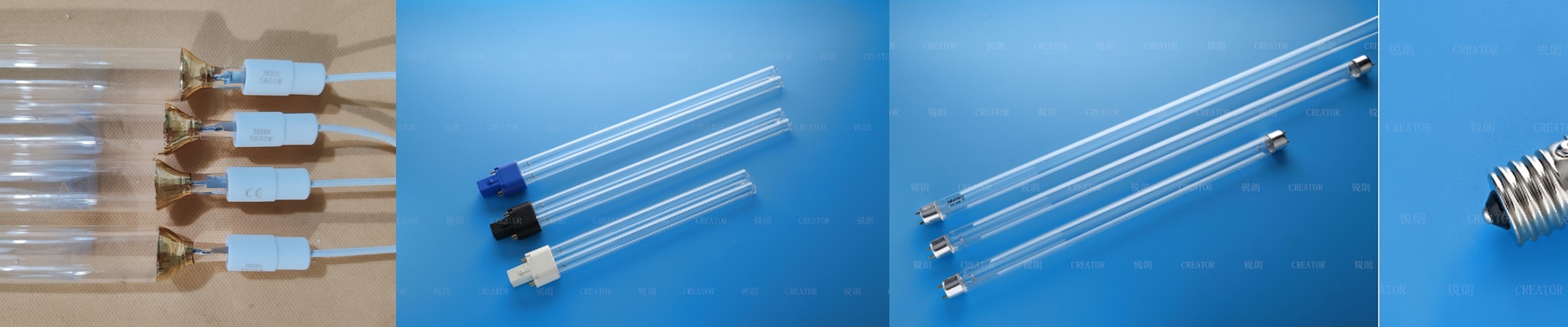
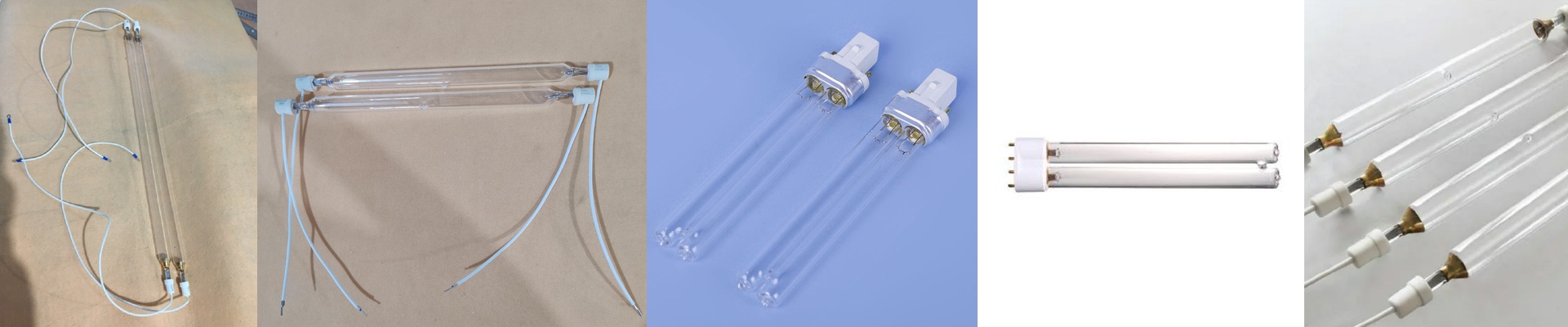
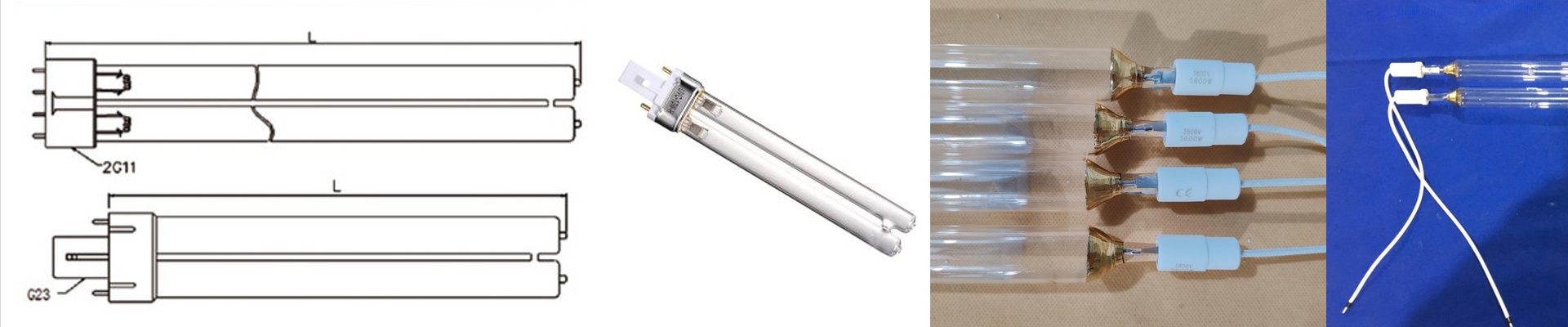
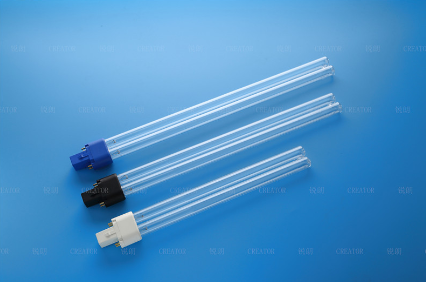
Getting the Most Out of the 80W/cm Mercury UV Lamp
If you’re in the business of curing inks, coatings, or adhesives, you know the 80W/cm mercury lamp is basically the heavy lifter of the shop. It’s built for one thing: hitting your substrate with a massive concentration of photons to get those photopolymers to cross-link and dry fast. When you’ve got 80 watts packed into every single centimeter, things happen quickly.
The Heat Struggle
Here’s the thing: that much power creates a ton of heat. Like, a lot. To keep the glass from just cracking under the pressure, we use high-purity fused quartz. It’s tough, but it can’t do all the work. While the mercury vapor is doing its thing to create that UV spectrum, it’s also pumping out infrared radiation. This is where people usually mess up. You have to get your cooling right—whether that’s beefy fans or water-cooled jackets. I’ve seen lamps die in a matter of weeks just because someone skimped on the heat sink or ignored the airflow. Don’t let that be you.
Keeping the Arc Steady
We spend a lot of time making sure the arc stays put. If the arc starts wandering, you get these “hot spots” on the tube. That’s a nightmare because it leads to uneven curing and kills the life of your lamp. We handle this by being really precise with the mercury fill and the thickness of the quartz walls. It keeps the arc centered and makes sure the power is steady from one end of the tube to the other.
Plugging It In (And the Trade-offs)
The good news is that these are pretty easy to swap into most standard systems. As long as your voltage matches what the lamp needs to strike, it’s a simple wiring job. But there is a catch: the power draw. These lamps are hungry. They pull a lot of current, especially during that initial ignition phase. Just double-check that your electrical setup can handle the load so you aren’t constantly tripping breakers. And please, for the love of everything, make sure your shielding is solid. UV exposure isn’t something you want to mess around with.