
The Obsession: Nailing That 0.5% Energy Sweet Spot
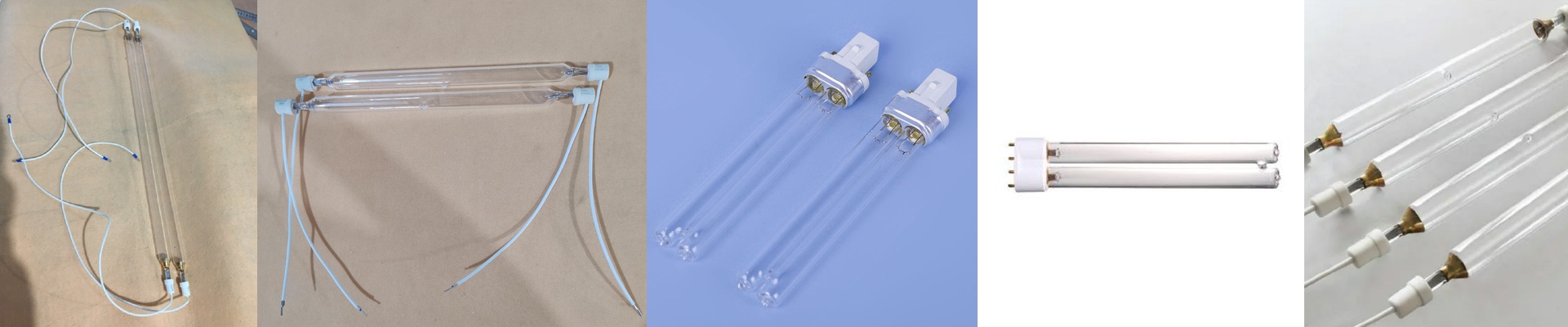
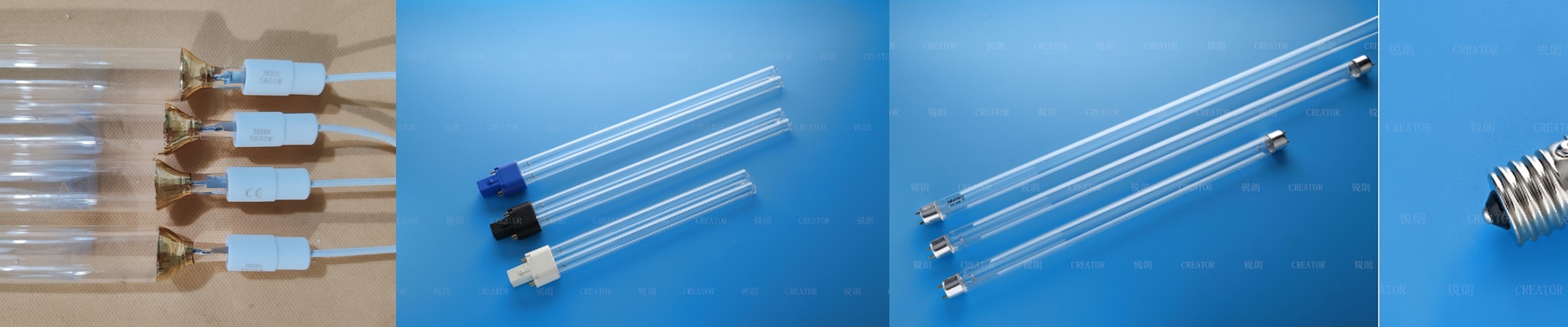
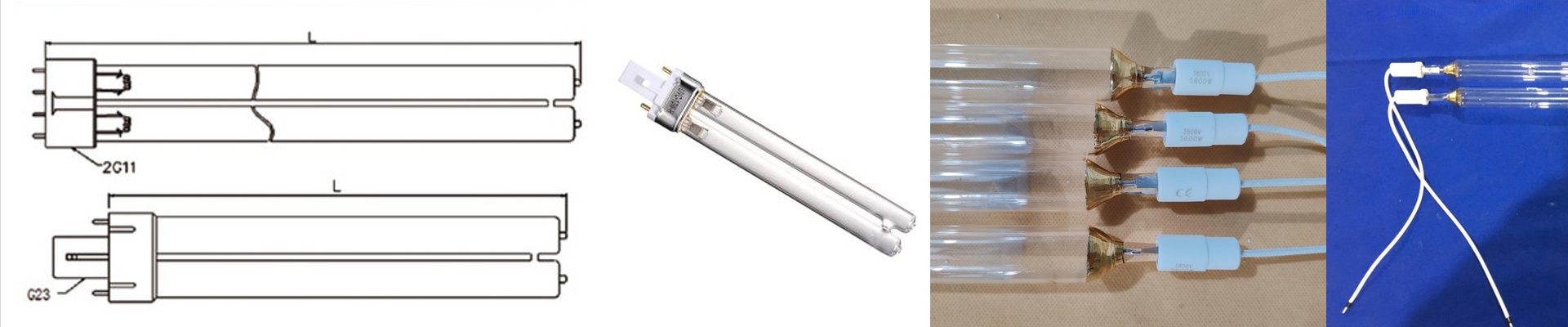
We built this UV lamp around one specific, stubborn goal: locking 0.5% of its energy into a single, tight band. This isn’t a number we picked to sound impressive. It’s the hard line for processes that simply can’t work with a wide, messy energy spread. When your work demands precision, everything—the lamp shape, the gas mix, the way power is fed—has to work as one unit. At the heart of it is a high-voltage, high-power setup. It runs at 400V and pulls 2500W through a 300mm quartz tube. That kind of power is what squeezes the output into that narrow peak. But there’s a trade-off. Packing this much punch into a compact space means the cooling has to be just as serious. If the heat isn’t managed, the performance falls apart.
Why the Details Matter
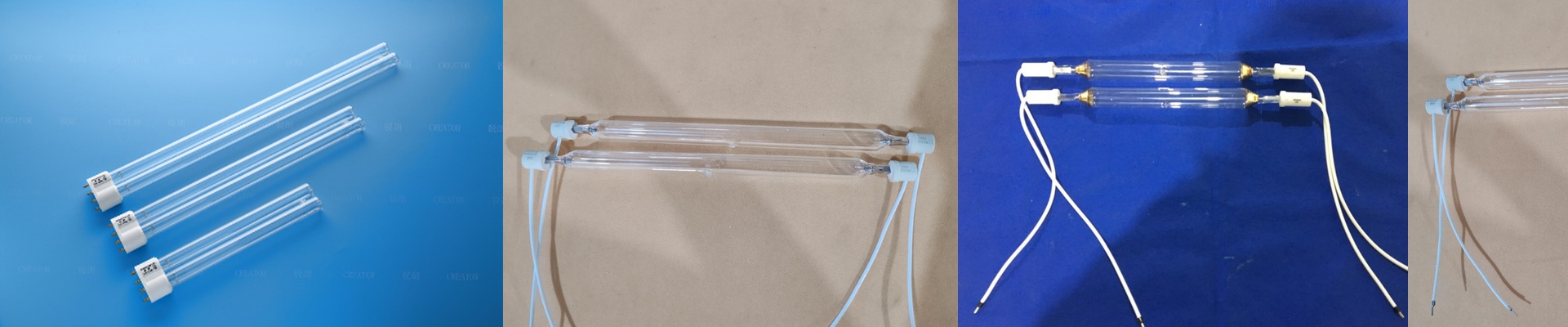
That 300mm length wasn’t an accident. It gives the plasma enough room to stabilize and shape the spectrum, without making the lamp so bulky it won’t fit your gear. The quartz tube takes the heat and keeps the UV flowing strong. We went with an R7s connector for a simple reason: it’s tough and practical. It handles the high current, locks in solid, and makes the lamp a true drop-in replacement. Inside, the halogen cycle keeps tungsten from building up on the walls, so the output stays steady over the life of the lamp.
Built for the Real World
This lamp is for engineers running demanding industrial processes. The 0.5% concentration is exactly what you need when you require repeatable, high-intensity exposure—think polymer curing, sterilization, or specialized material work. The 2500W rating gives you the muscle for fast line speeds. And the R7s interface makes integration a non-issue. Wire it up, mount it, and it just works. You get a stable, focused energy source that’s engineered for the production floor, not a lab bench. These specs came from endless testing and real-world use. We focused on the numbers that matter to your work.
Power Comes With Responsibility
A 400V, 2500W UV lamp delivers serious energy density. That’s the whole point. But it also means your electrical setup and cooling have to be planned properly. Think of this as part of your system, not just a bulb. When your cooling and power match the lamp, that 0.5% concentration holds steady, shift after shift. We built this for engineers who trust hard data over marketing talk. That 0.5% figure is the result of precise control over the arc, the tube, and the power. It’s a spec you can verify right there on the shop floor.