
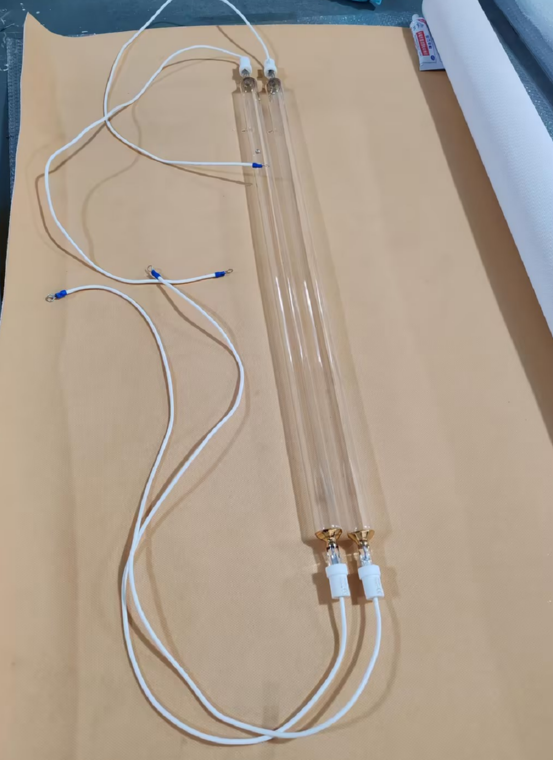
Stop Guessing With Your Gallium Iodide UV Systems
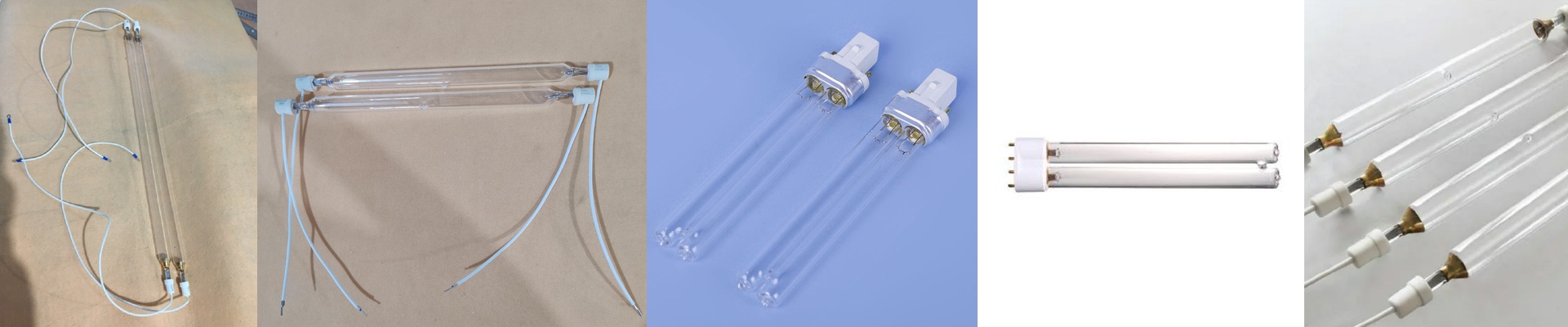
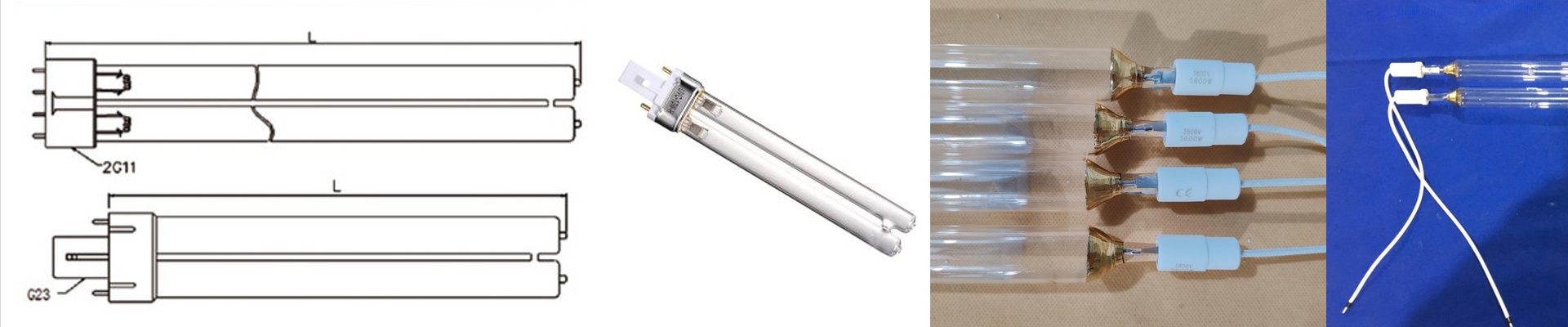
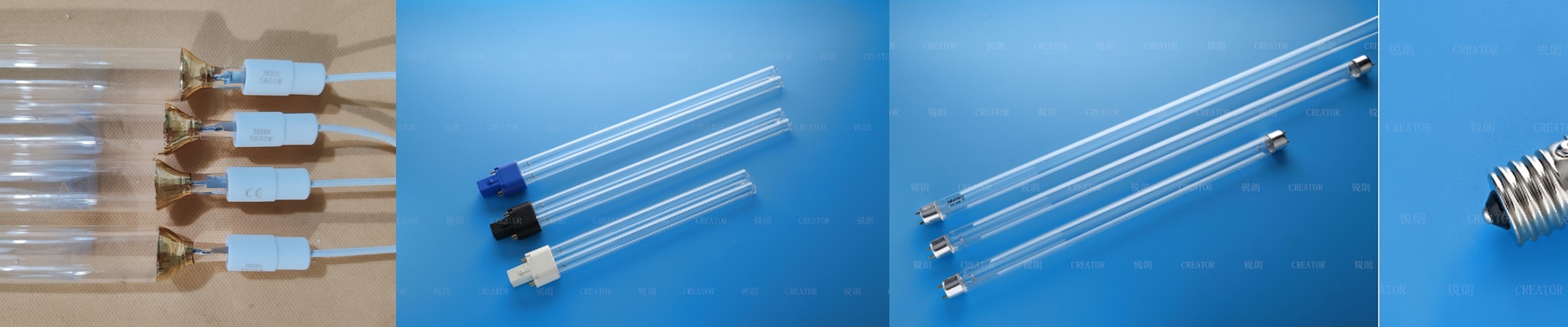
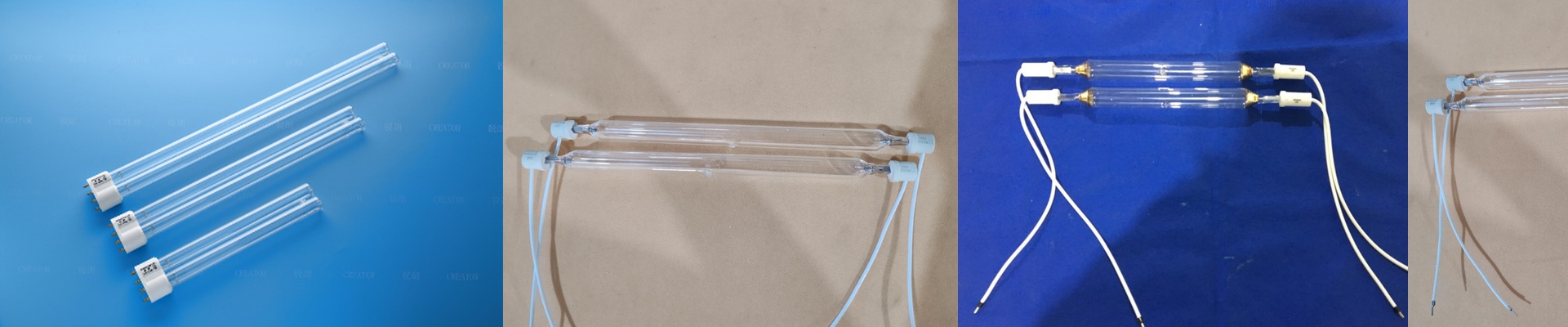
Let’s talk about Gallium Iodide lamps. If you’re using them for high-precision curing or sterilization, you know they’re powerful. But for too long, we’ve been running these things “blind.” We turn them on, hope for the best, and cross our fingers that the output is where it needs to be. It’s time to stop doing that. We’re moving toward putting remote energy monitoring right into the lamp housing so you can actually see when your output starts to dip.
The tricky part about the physics
Here’s the thing: these lamps are picky. They rely on a very specific chemical mix to hit those UV peaks. Unlike your standard mercury lamps, Gallium Iodide needs a rock-solid voltage. If your power supply drifts even a little, your spectral output shifts with it. That’s why we don’t just look at the current draw at the ballast. That doesn’t tell the whole story. Instead, we put sensors right at the source to track the actual irradiance. It’s the only way to know what’s really happening.
No more “calendar” replacements
Most shops I know replace their lamps based on a calendar. Maybe every 1,000 hours. The problem? You’re either throwing away a perfectly good lamp too early, or—even worse—you’re under-curing your product because the lamp died at hour 800. It’s a gamble. By building IoT sensors into the design, you get a live feed of the UV intensity. We use digital transducers to push wattage and intensity data straight to a central PLC. When the output drops below your target mW/cm², you’ll see it instantly. You replace the lamp exactly when it needs to go. No more, no less.
A few things to keep in mind
Now, this isn’t magic, and there are a couple of trade-offs. First, the hardware adds a bit of bulk to the lamp head. You’ll want to double-check your mounting brackets to make sure they can handle the extra weight of the sensor housing. Also, keep an eye on your heat. These sensors are sensitive. If your cooling fans quit, the sensor might report a “low” reading even if the lamp is still firing. To fix this, just wire the sensor’s thermal trip into the same emergency stop as your main power. It’s a simple tweak that takes the guesswork out of the line. You stop hoping it’s working and you actually start measuring it.