
Getting Your PCB Curing Right with Gallium Iodide Lamps
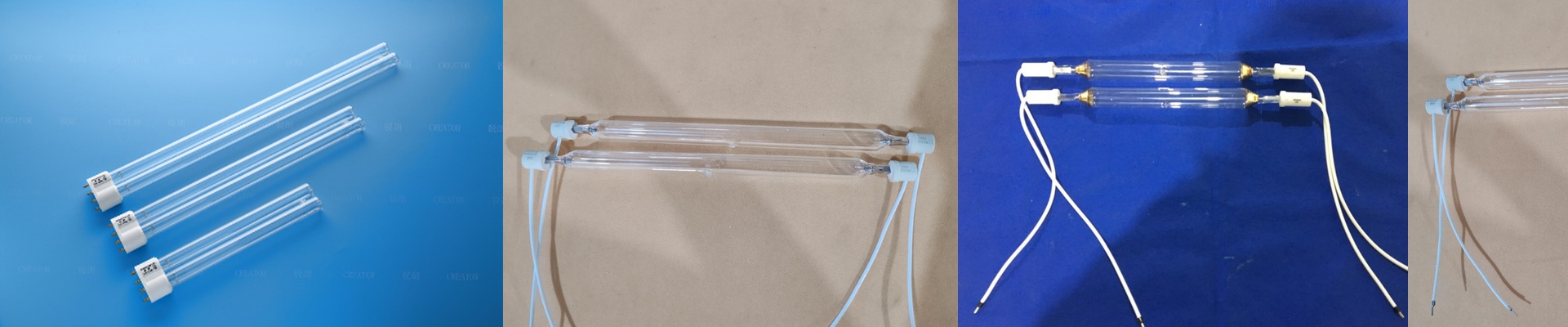
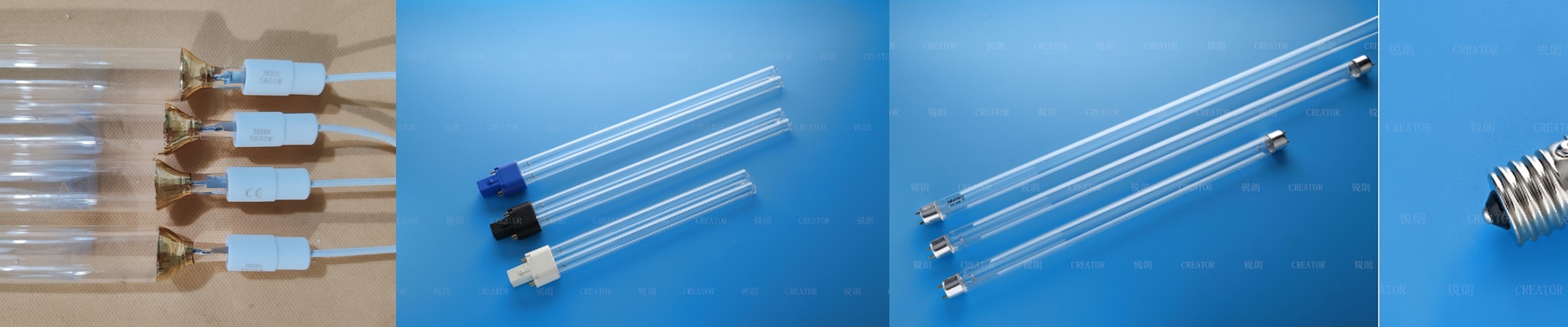
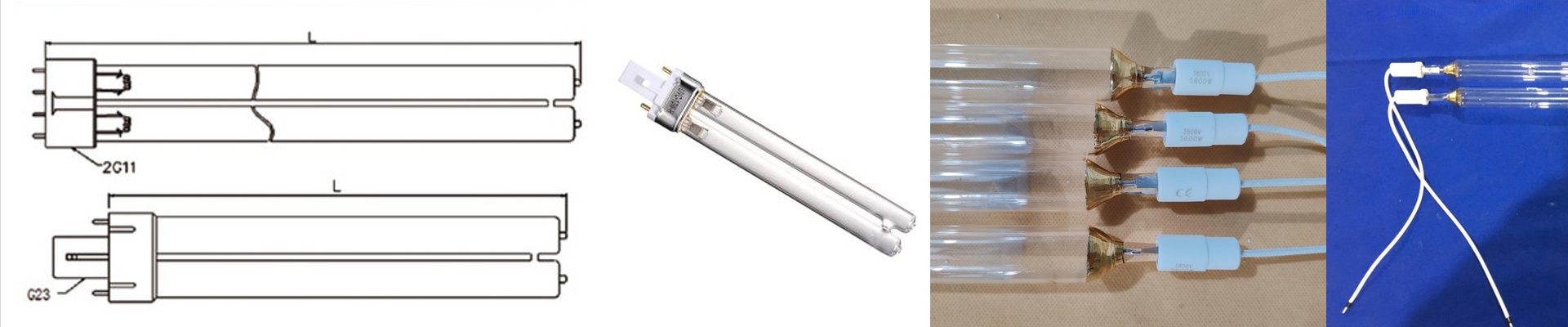
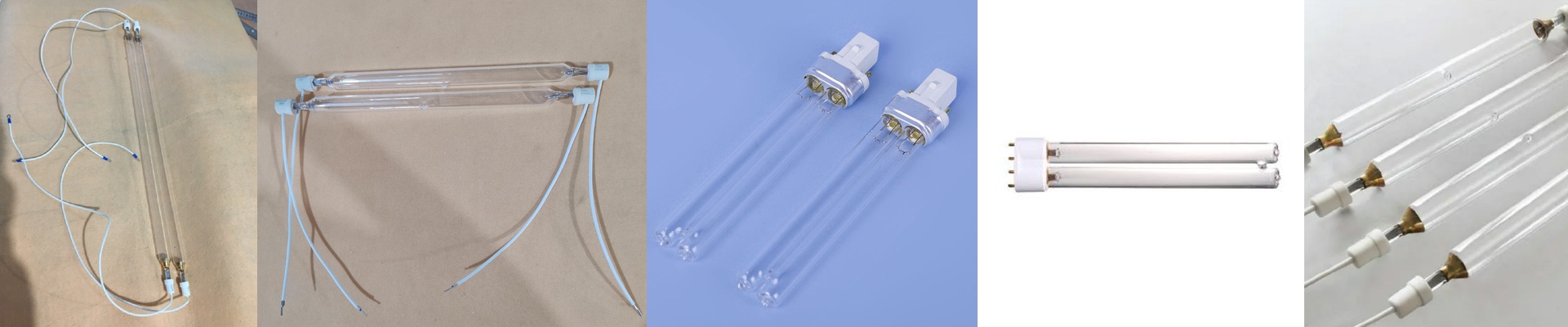
If you’re working with PCB fabrication, you know the headache of getting your photoresist to cure just right. Standard mercury lamps are fine for some things, but they’re a bit like using a sledgehammer when you need a scalpel. That’s where Gallium iodide lamps come in. They hit those very specific UV wavelengths that modern resins actually crave. Instead of blasting the whole board with heat, these lamps target the exact spot needed to harden the resist. **The result? Your circuit traces stay sharp.**No more blurry edges or “under-curing” at the base where the trace meets the board. But here’s a tip: keep an eye on your quartz sleeves. If they get dirty or if you’re using a cheap grade of quartz, your UV intensity tanks. When that happens, you’re forced to slow down your conveyor belt just to keep the quality up. And nobody wants a slower line.
The Legal Headache Nobody Talks About
Here is the part that usually catches people off guard: the “generic” lamp trap. It’s tempting to go for the low-cost UV lamps. But a lot of those cheap suppliers are just cloning electrode designs and gas-fill ratios from patented tech. It seems like a bargain until you try to export your production lines or ship boards across borders. Customs agents actually check for patent infringement. If your system is running on a stolen Gallium iodide design, your equipment could be seized right at the border. That’s a nightmare you don’t want. We do things differently. We own our patents on the electrode geometry and how we dose the iodide. When you work with us, your supply chain is clean. You can sleep easy knowing a third-party legal claim isn’t going to shut your whole operation down.
The Heat Struggle
Now, let’s be real—these lamps run hot. Because they provide such high UV density, they’re great for fast throughput, but they put a massive strain on your cooling fans. If your airflow isn’t up to the task, the lamp is going to burn out way sooner than it should. It’s a balancing act. You have to weigh your wattage against what your chiller can actually handle. If the temperature swings too wildly, the tube can crack under the stress. Keep it cool, and these lamps will treat you right.