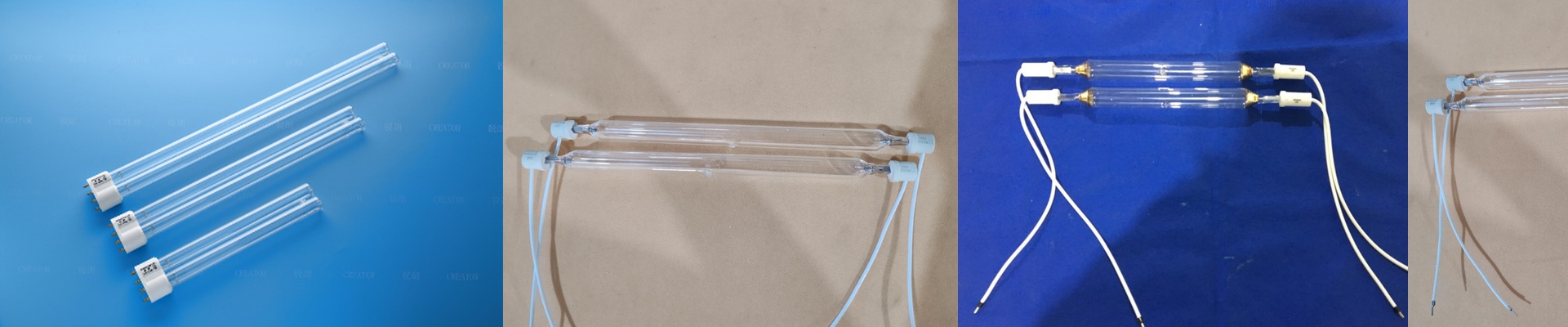
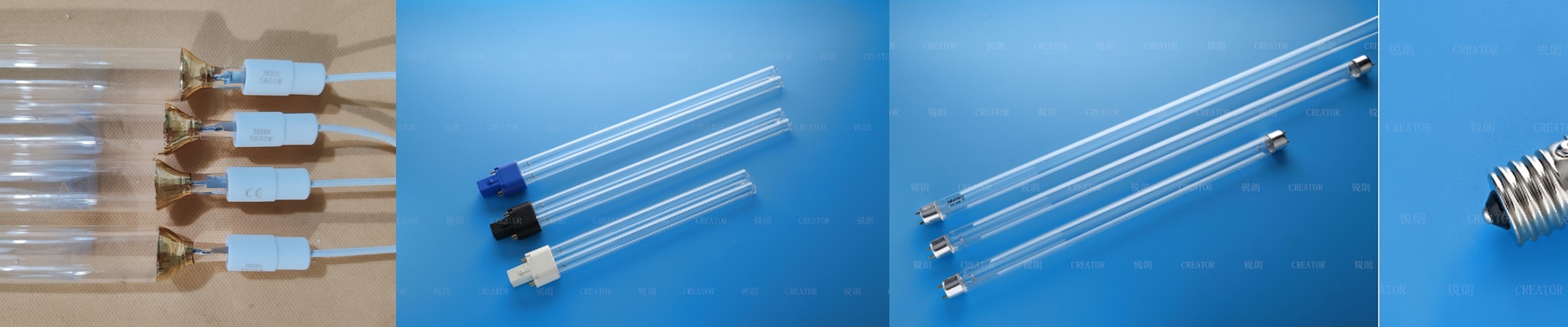

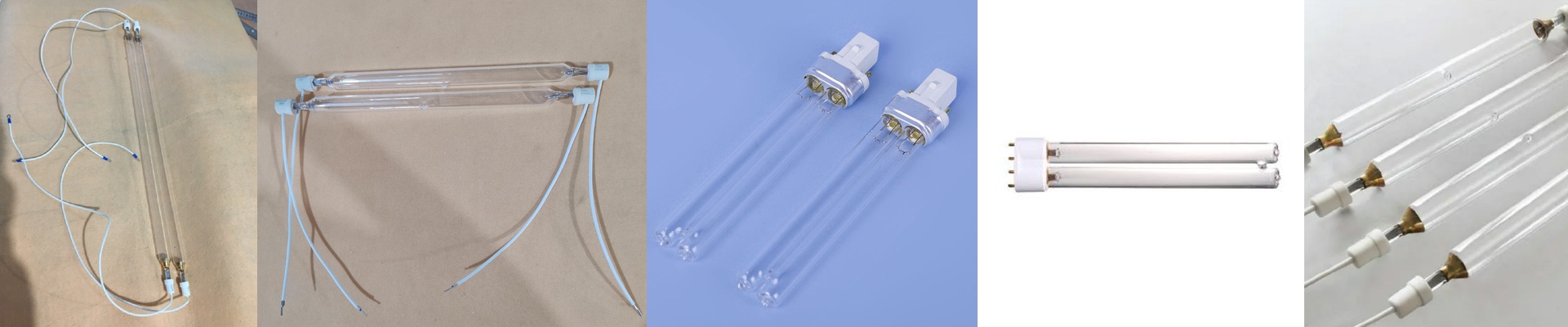
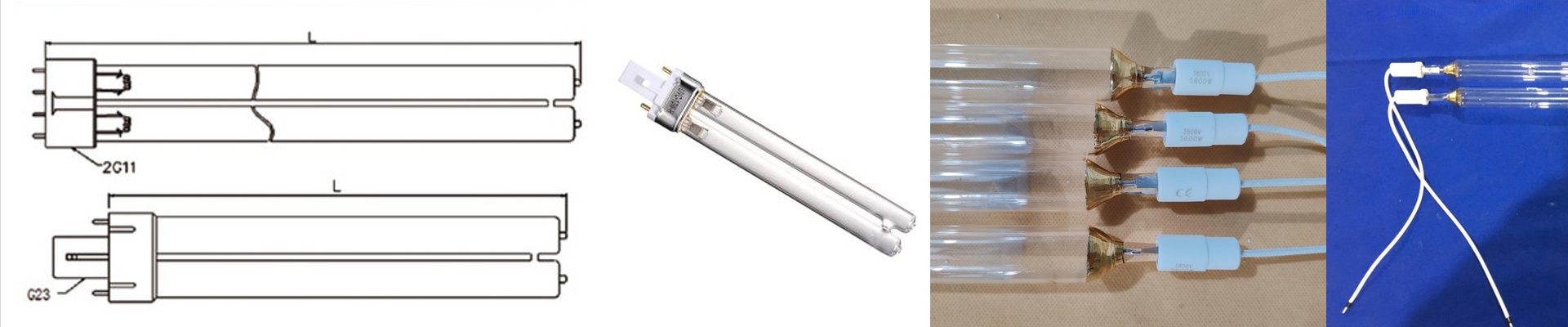
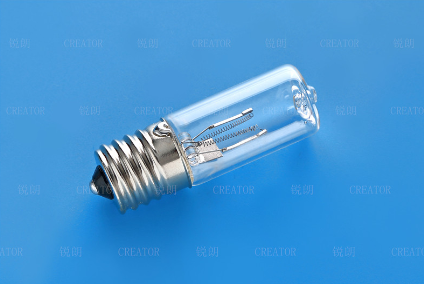
We built our Gallium Iodide lamp power supplies for one reason: to nail high-intensity UVC for industrial disinfection and process heating. And honestly, the heart of that performance comes down to the lamp envelope itself. That’s why we choose ozone-free quartz glass—not standard fused silica.
Power, voltage, and geometry—kept simple
These lamps are all about a steady, high-intensity discharge. The power supply delivers the right voltage and current so the arc stays rock-solid—no flicker, no drift. That matters when your line speed and cure profiles need repeatable output, every single time. We also match the lamp geometry to the fixture footprint, so heat lands exactly where you want it—right in the target zone—without pushing the socket past its limit. Here’s the reality check: high power means serious heat. You can run the lamp at its rated power, sure—but your machine has to be able to shed that heat. If the enclosure can’t handle the thermal load, the lamp runs hotter than it was designed for, and output stability goes sideways.
Material choice: ozone-free quartz, and a connection you can trust
UVC at 254nm does the heavy lifting. But standard quartz transmits a band that creates ozone right at the lamp surface. Ozone-free quartz blocks the 185nm line, so you get the germicidal wavelength without generating ozone. The payoff is straightforward: operators get a breathable environment, and nearby components avoid corrosion. Then there’s the electrical interface. We use a tough two-pin base that gives you a solid, repeatable connection. It’s a drop-in fit for standard holders, and it keeps the lamp seated firmly—even when the equipment is shaking and vibrating.
What it feels like on the job
In UVC disinfection, the big win is protecting people’s respiratory health. No ozone means no irritation, no long-term exposure risk in occupied spaces. For engineers, the comfort comes from reliability: stable UVC output, consistent heating performance, and an envelope that holds up under high power without degrading. We design the whole thing as a matched set—lamp, quartz envelope, and power supply—so you wire it up, set your parameters, and go. Just remember the trade-off: when you push high intensity, your cooling and airflow have to be sized to match.