
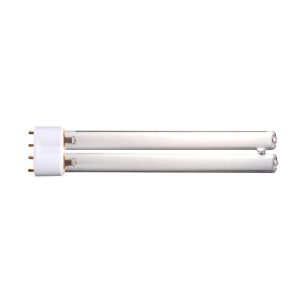
Dealing with Electrical Noise in Gallium Iodide UV Systems
If you’re running a PCB factory, you already know Gallium iodide lamps are the go-to for high-speed photoresist curing. They hit those specific wavelengths you need to get the polymerization just right. But here’s the thing: in a real factory, the UV output isn’t actually the hardest part. The real headache is the electrical environment.
The EMI Mess in PCB Plants
Think about your floor. You’ve got massive printing presses and conveyor motors all humming along at once. All that heavy machinery creates a ton of electromagnetic interference (EMI). When you tuck several UV curing stations right next to those motors, that electrical noise starts bleeding into the power supply. It’s a mess. Cheap ballasts just can’t handle it. They start to flicker or the intensity drifts the second a nearby press kicks into gear. We solved this by beefing up the shielding and adding filtered power stages. It keeps the UV intensity flat and steady, no matter how many motors are fighting for power on the same grid.
Why Stability Actually Matters
Nobody wants “under-cured” patches on a board. It’s a nightmare for quality control. We spent a lot of time focusing on the arc discharge. By keeping the drive circuitry isolated from all that external noise, the current flowing to the Gallium iodide stays smooth. No pulsing. No guessing. You get a cure rate you can actually trust. And that means you can stop obsessing over the belt speed and making manual tweaks every ten minutes.
The Trade-offs (The Honest Part)
Now, there’s a catch. Building something that resists high interference requires heavier filters and a much tougher housing. Because of that, our power supply units take up more room than the bare-bones versions you see elsewhere. Just make sure your control cabinet has the physical space for these shielded units. Also, don’t skimp on your cooling fans. If the cabinet gets too stuffy, those filtering capacitors can run hot, and that’ll eat away at the lifespan of your driver.