
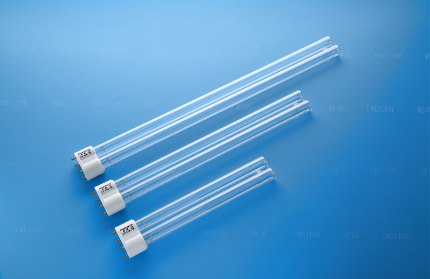
Gallium Iodide UV Lamps: The Precision Tool for Textile Printing
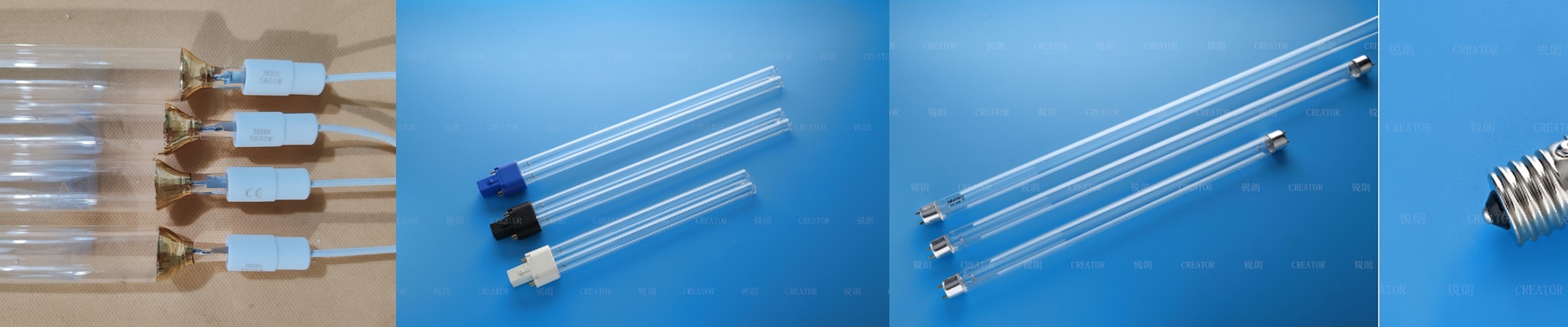
We built this Gallium Iodide lamp for one reason only: to nail the photoresist curing step on textile printing lines. This isn’t some general-purpose heat source you can throw at any problem. It’s a focused tool, designed to deliver steady ultraviolet energy exactly where it needs to be—right on the surface of the fabric.
Why it works: the technical stuff, without the fluff
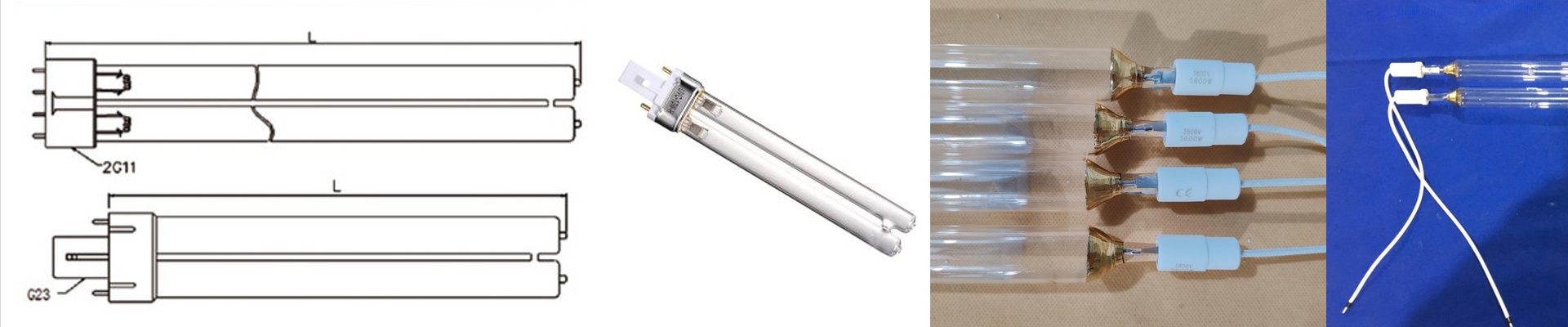
Here’s the thing: the physics behind curing photoresist demand stable, high-energy output. So we set the system up to run at high voltage. That voltage pushes the quartz arc tube to produce the exact UV spectrum required to harden the resist—without scorching the fabric underneath. And the physical size? We made it to slide right into standard industrial curing modules. So if you need to replace an existing lamp, it’s a straightforward swap. No re-engineering. No headaches.
What’s inside: built to last on a busy floor
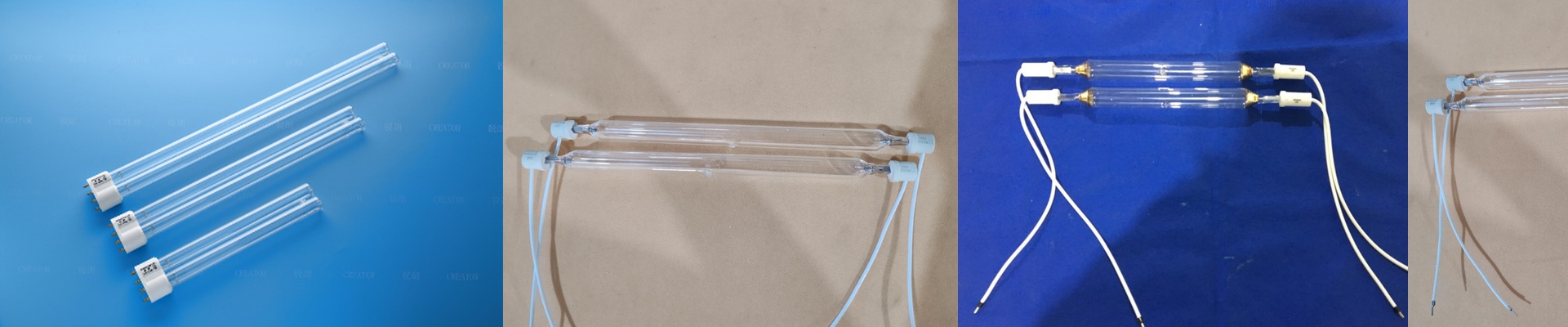
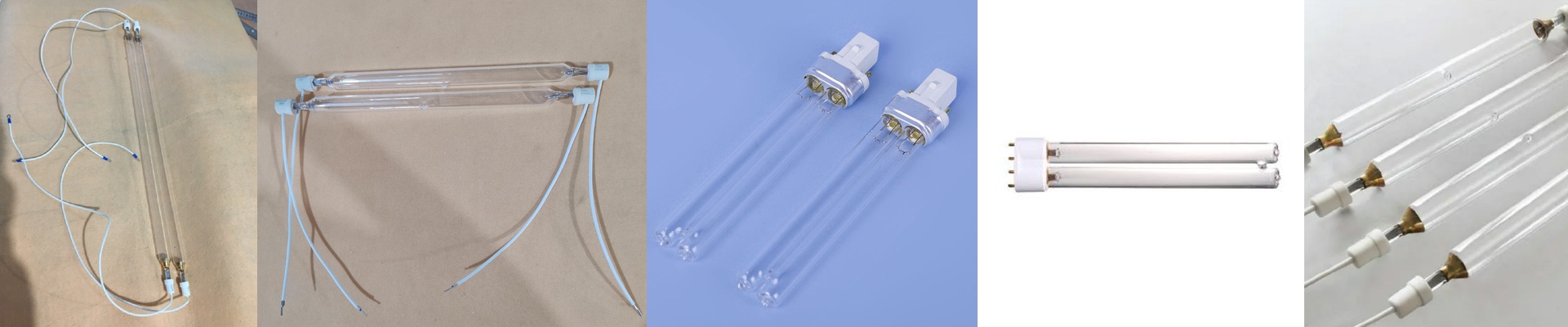
At the core is the Gallium Iodide fill, sealed inside a high-purity quartz envelope. That chemistry keeps the arc stable and extends filament life. Which means you get rid of the sudden burn-outs that keep happening with standard lamps. The connector is the industry-standard R7s. It gives you solid, two-ended electrical contact that can handle high current without arcing. And the quartz tube itself is made to handle the thermal shock of rapid on/off cycles—because on a busy production line, the lamp gets turned on and off a lot.
What it feels like to use on the line
In textile printing, the lamp has one job: cure the photoresist that locks in the pattern. The Gallium Iodide spectrum gives you an even cure across the full width of the material, so the detail and color come out sharp. That translates to fewer defects and more good runs. But there’s one practical point you can’t ignore: the power density that makes this lamp work also puts real stress on the system. Make sure your machine’s cooling system is properly matched to handle the heat. Do that, and you protect the lamp from aging too fast—and keep the whole process running without interruption.