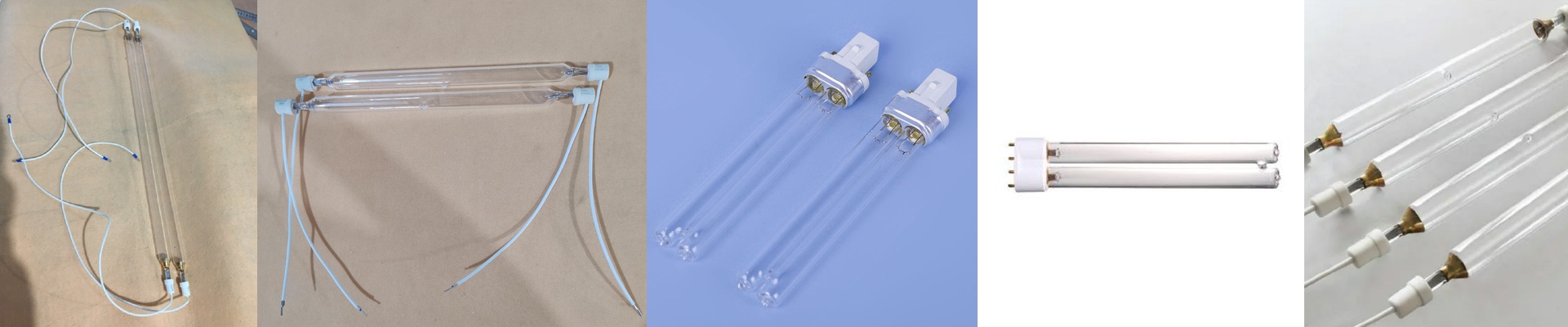

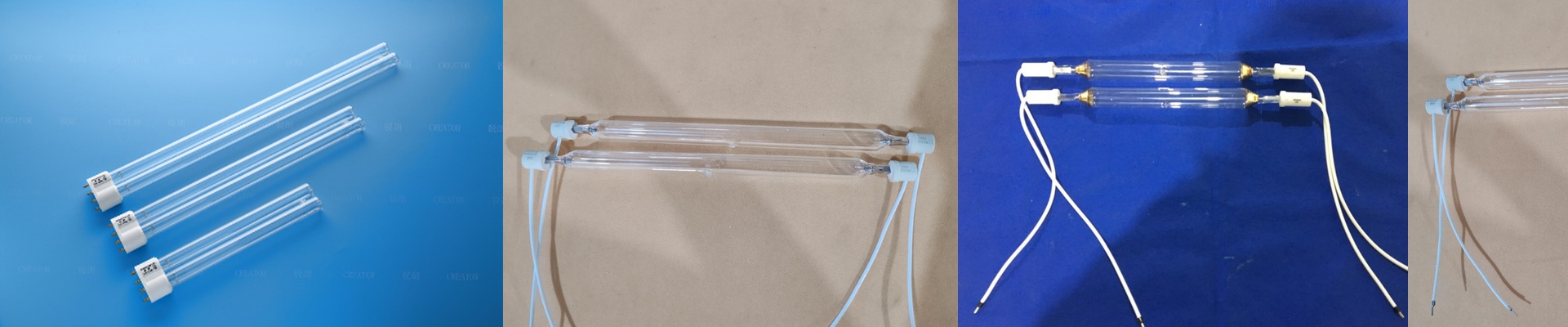
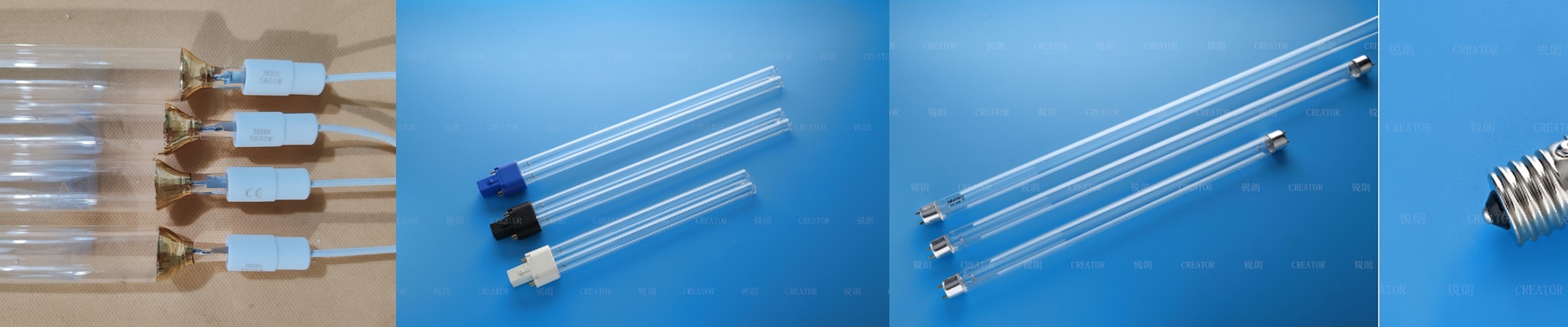
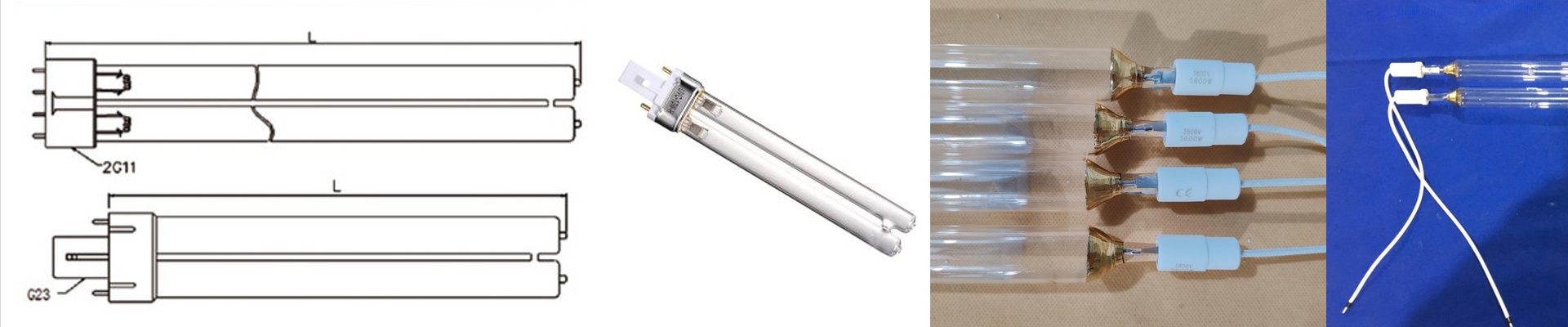
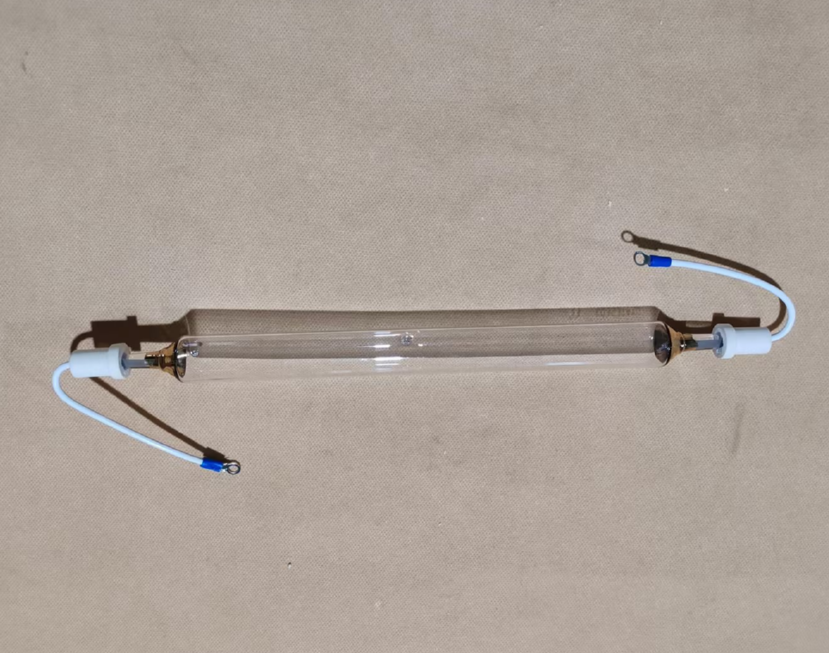
On press, every unscheduled stop—lamp swap or a cure that starts acting moody—costs you scrap and burns minutes you can’t get back. Gallium iodide lamps have the spectral output needed for fast, deep cross-linking, sure, but only if the ignitor fires them clean and holds the arc steady. Here’s the technical part that matters: ignition and regulation. Use a dedicated ignitor matched to gallium iodide lamps, and you get controlled high-voltage pulses plus consistent arc management. That’s what gets the lamp striking reliably in the 365–395 nm band and keeps peak irradiance from drifting. The payoff is stable spectral output across the full lamp life, with intensity that doesn’t fall off a cliff. That keeps photoinitiator activation even, so the ink film cures all the way through to the substrate—no surface inhibition. And the reason it matters on the floor is straight economics. Long lamp life and low attenuation mean fewer replacements, less downtime, and a leaner spare-parts inventory. Keep UV output stable, and you cut rejects from under-cure and variability between color stations, while energy use stays predictable. Pair gallium iodide lamps with the right ignitor, and you maintain consistent cure energy density. That’s what lets you run faster without chasing hot spots and cold zones. A few things to get right. Confirm compatibility with your lamp’s rated voltage, power, and connector type, and make sure the ignitor is matched to the reflector and dichroic coating in your curing station. Verify ozone-free operation, and make sure lamp warm-up and cool-down procedures fit your press cycle. If the cycling is off, lamp life will suffer—even with a solid ignitor behind it.