
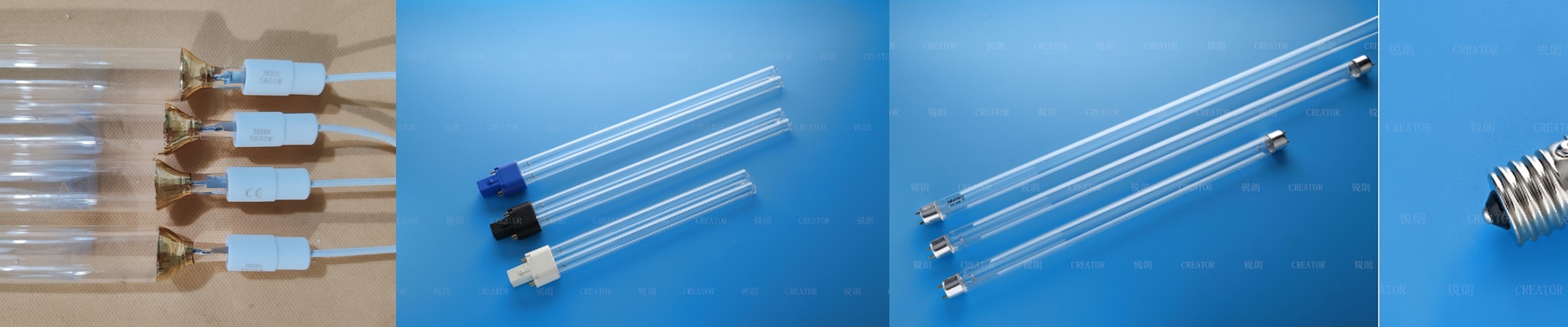
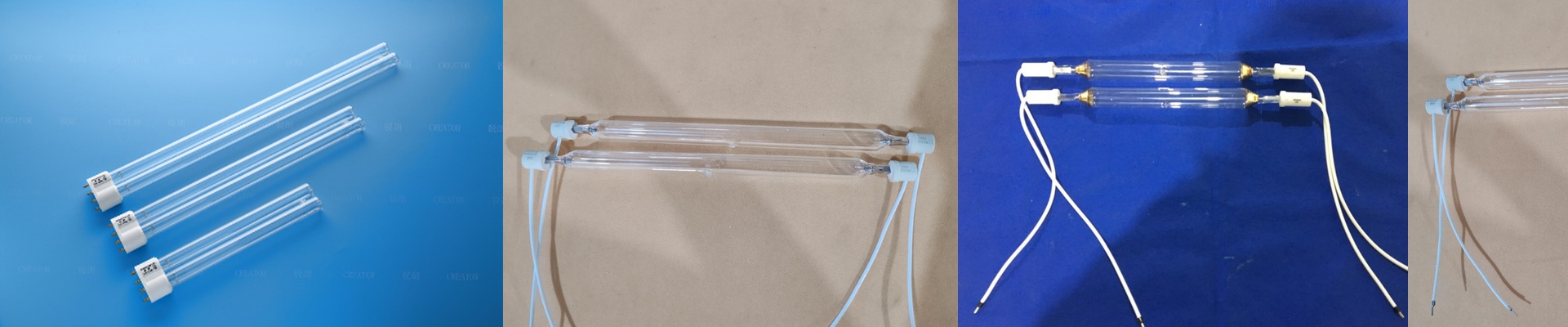
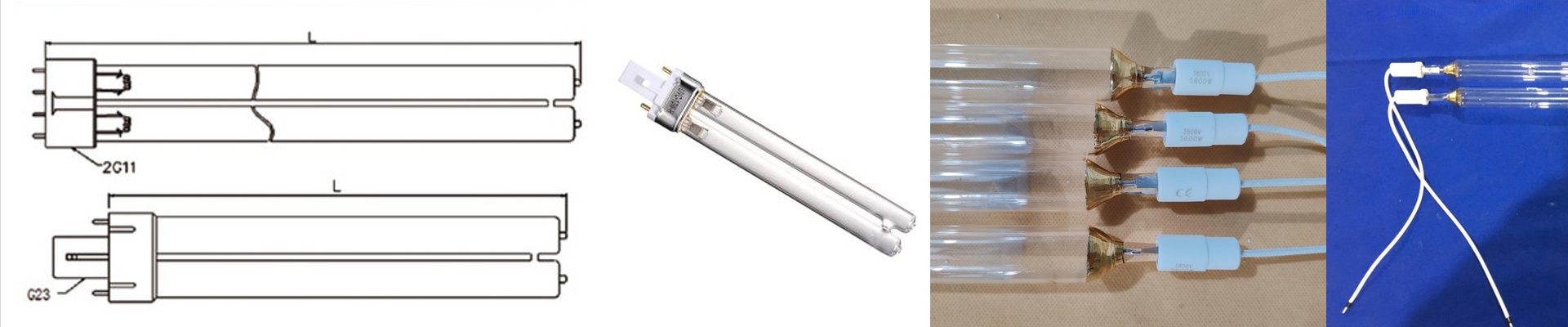
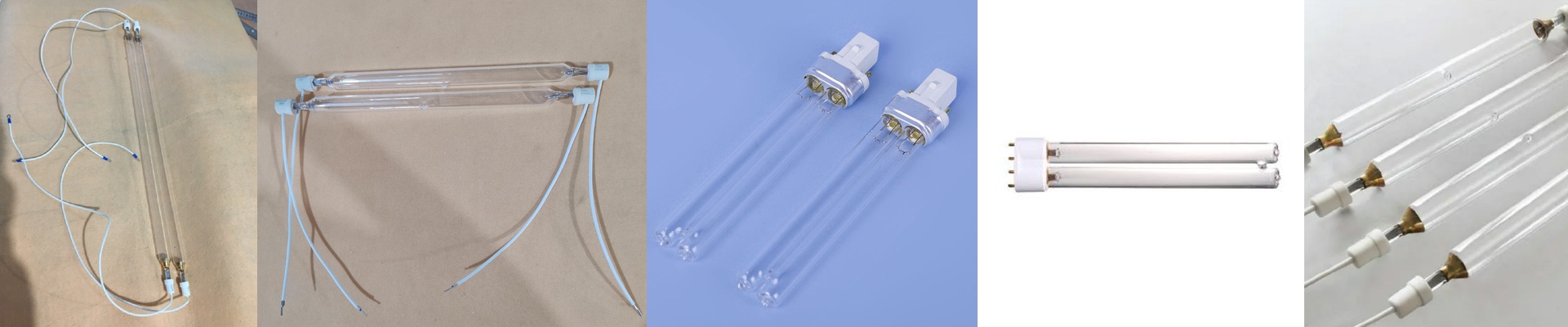
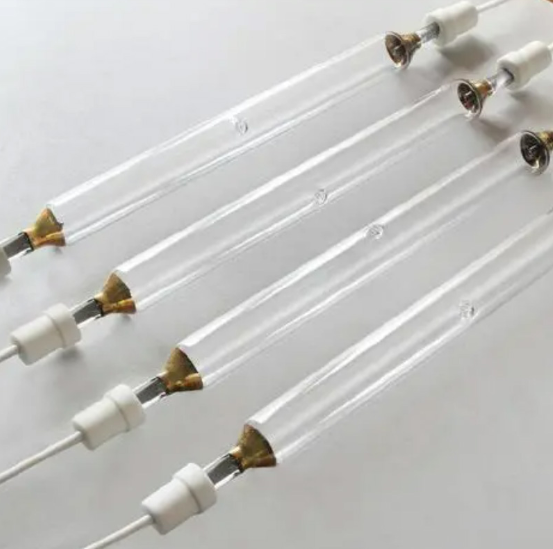
In a lab photochemical reactor, a broad UV spectrum doesn’t just dilute the reaction—it throws in variables that wreck repeatability. You want a source that hits the photoinitiator’s absorption band cleanly, not a wash of out-of-band energy that makes heat and side products. That’s exactly why a gallium halide UV curing lamp is the right engineering call. What matters, technically Gallium halide lamps give you narrowband output centered at 365 nm, with FWHM typically under 15 nm. That spectral purity lets you excite selectively, so you control cross-linking or bond formation without feeding parasitic pathways. Peak irradiance at the substrate hits 800–1,200 mW/cm², and with dichroic reflectors and high-purity quartz envelopes, the system keeps dose delivery stable. We talk curing energy density in mJ/cm², not some vague “intensity,” because reaction kinetics respond to photon dose. The lamp runs at 200–250 W/cm, with arc lengths matched to reactor geometry, and holds output within ±3% over 2,000 hours, with less than 8% drop by 5,000 hours. Why it works here Lab reactors need conditions you can repeat and document. A gallium halide source gives you a clean spectral profile that lines up cleanly with photoinitiator absorption, cutting thermal load and making dose-response work precise. You get faster cycle times per run, tighter variance in conversion yield, and consistent lamp-to-lamp matching when you scale from bench to pilot. The quartz envelope transmits the target wavelengths with minimal absorption loss, and the ozone-free design keeps the reaction environment chemically clean. Here are the things you need to keep straight. Match the lamp to your reflector geometry and cooling. Output stability hinges on stable ballast current and substrate temperature control; expect 1–2% irradiance drift if cooling is undersized. Confirm reactor compatibility—arc length, electrical termination, and water-cooling interfaces have to line up. With proper alignment and cooling, you can hold dose repeatability within ±5% run-to-run.