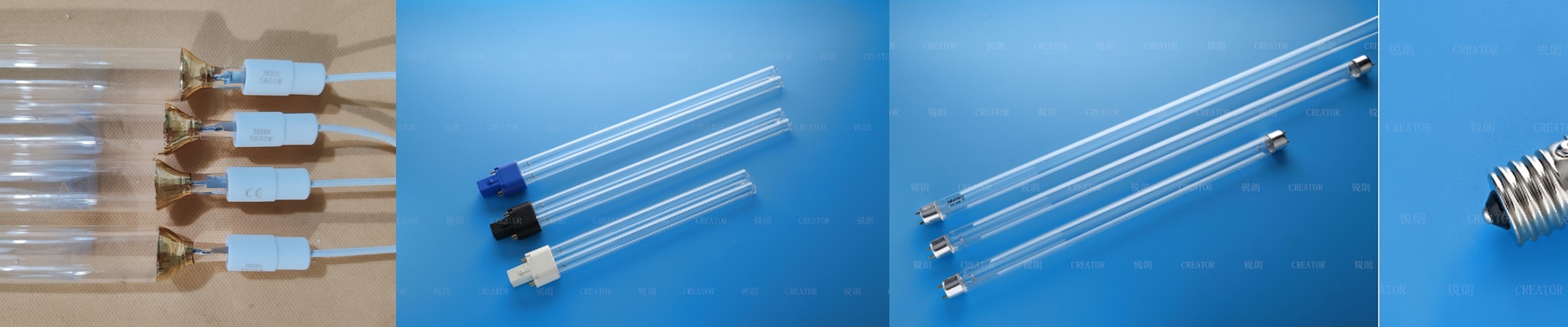

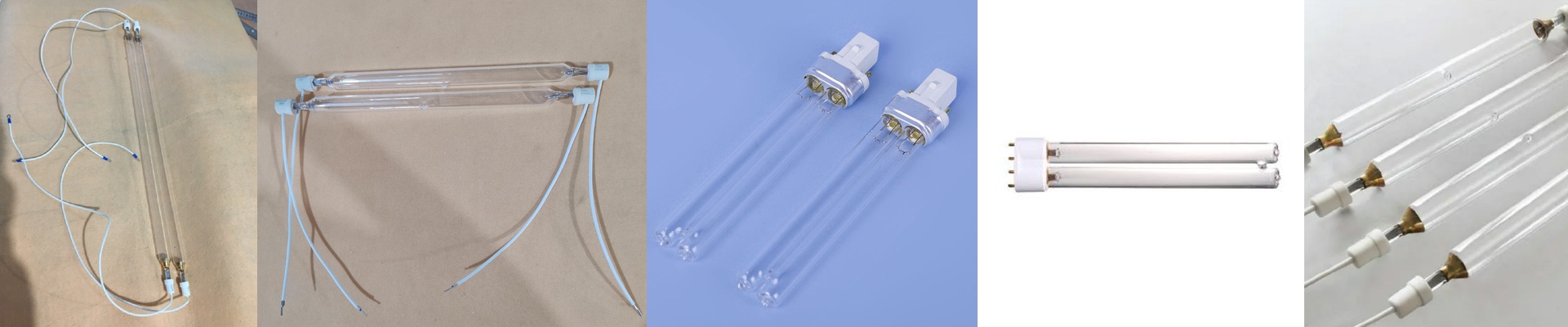
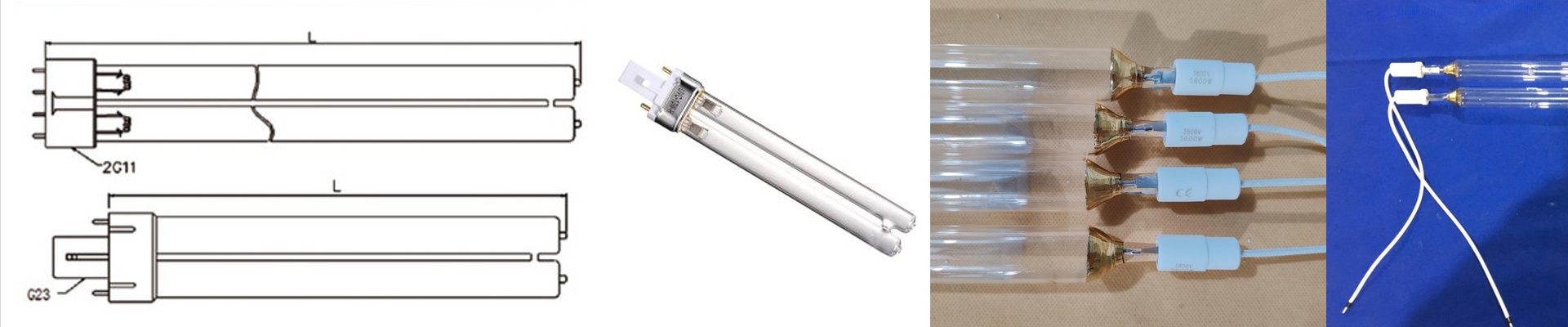
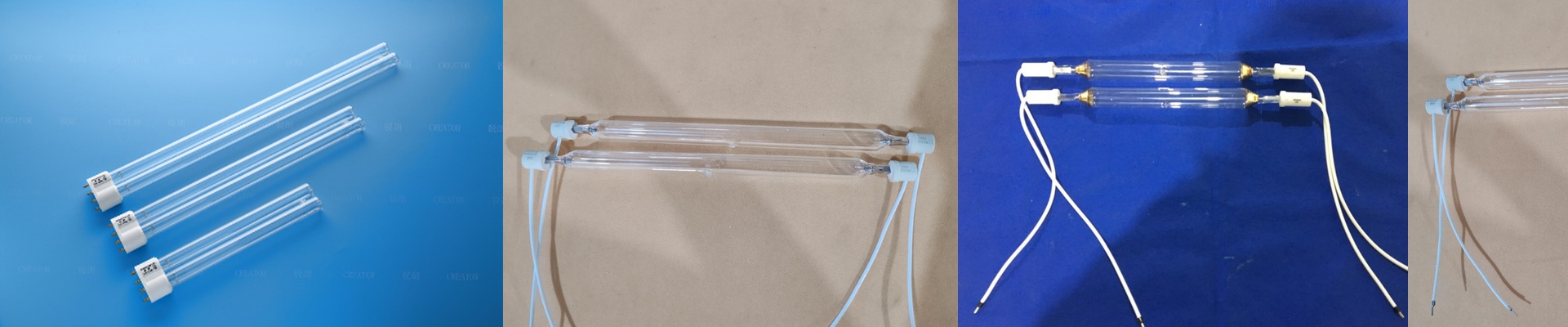
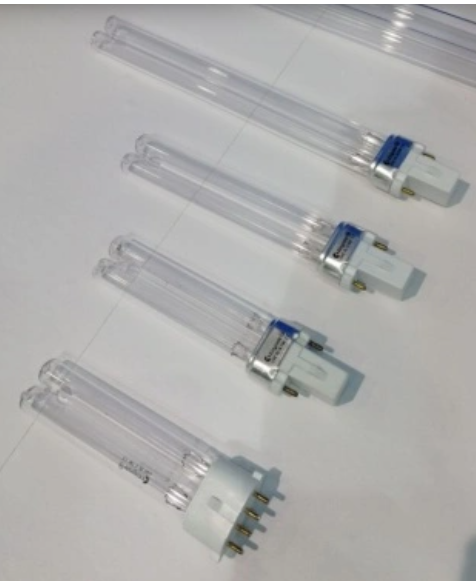
Let’s Talk About the 80W/cm Mercury UV Lamp
When we designed our standard mercury UV lamps, we landed on 80W/cm for a reason. It’s that “sweet spot” where you get the curing speed you need without killing the bulb’s lifespan too quickly. If you’re working with industrial coatings or adhesives, you know that rapid photopolymerization is everything. This lamp just gets the job done. The heat is the real challenge. Think about it: a 1-meter lamp at this power density is pumping out 800W. That is a massive amount of heat. To keep the glass from cracking under that kind of stress, we use high-purity fused quartz. But here is the thing—the lamp can only do so much. You’ve got to make sure your cooling system, whether it’s air or water, is actually pulling that heat away. If it isn’t, the quartz will soften, and your lamp is going to burn out way sooner than it should. No “cold spots,” no headaches. Inside the tube, we’re exciting mercury vapor to get that primary 253.7nm line. The trick is in the pressure. We carefully control the mercury levels so the light stays consistent from one end of the tube to the other. I’ve seen plenty of cheap tubes that lose intensity at the edges, which leaves you with uneven curing. We fixed that. By being obsessive about the gas filling and where the electrodes sit, we make sure the output is steady across the whole line. How we keep costs down. Most shops just buy pre-cut quartz and put the pieces together. We don’t do that. We handle the whole chain, from the raw quartz to the final electrode assembly. Since we aren’t paying a middleman’s markup, we can pass those savings to you. And no, we aren’t cutting corners on the gas purity or the electrode coatings to do it. We just do the work ourselves. These are drop-in replacements, so they’ll work easily with your standard UV ballasts. Just a heads-up: pushing more power through the lamp means the electrodes wear down faster. Keep an eye on your hour-meters and plan your maintenance. It’s a lot better than dealing with a surprise shutdown in the middle of a shift.