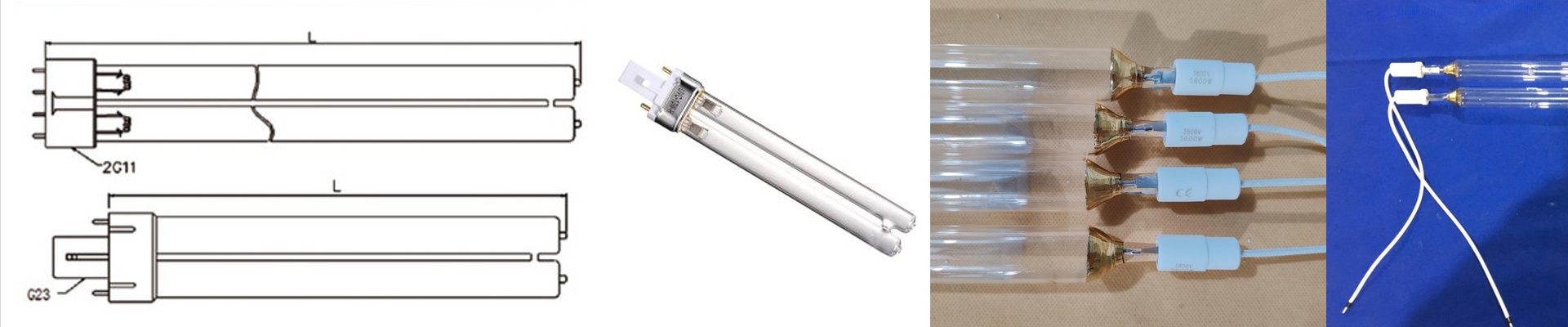
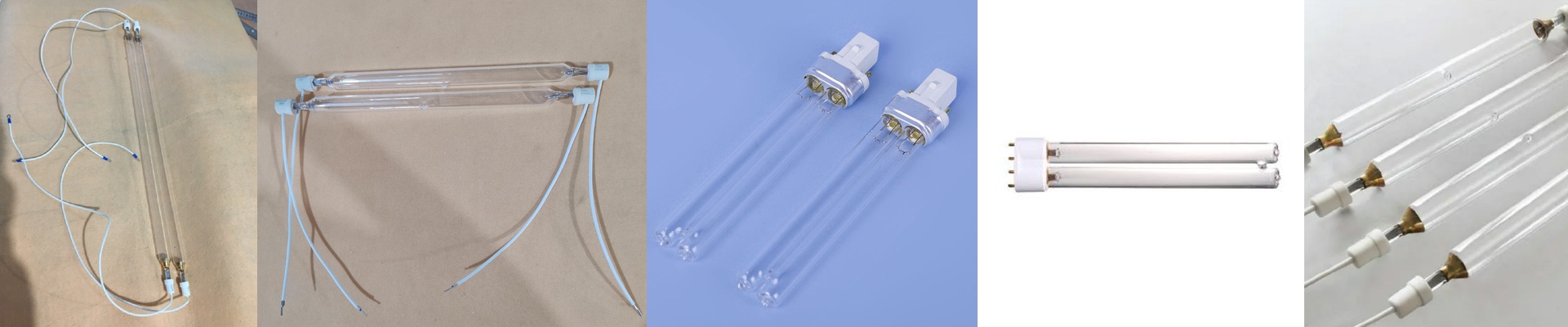

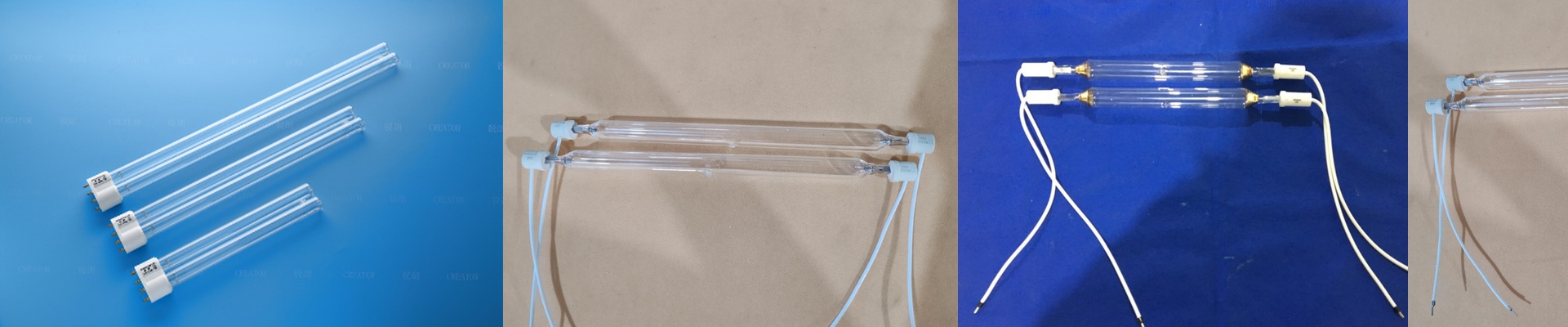
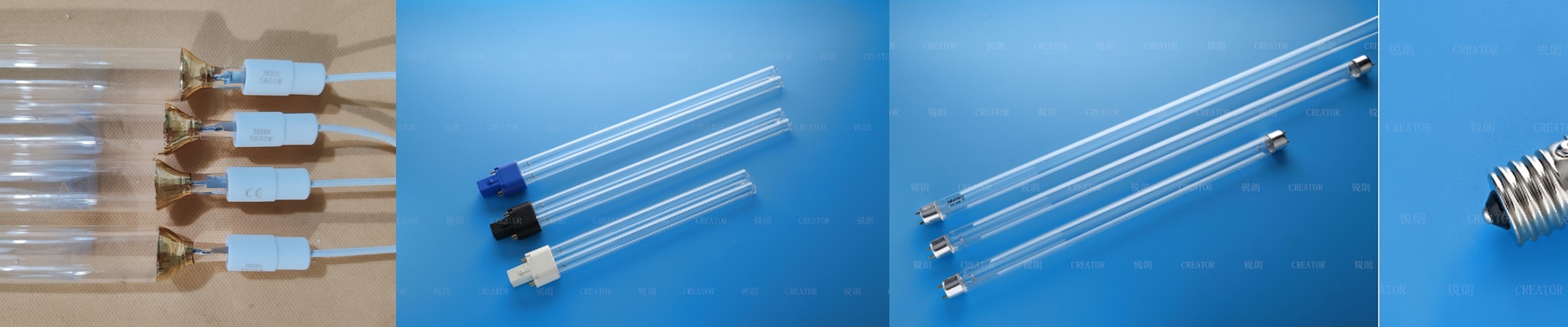
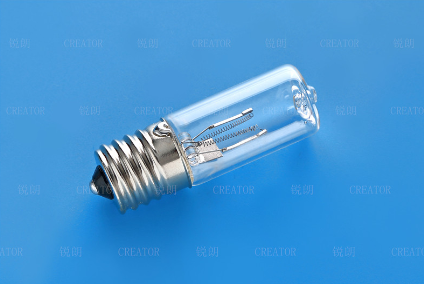
On the floor, a paper coating line runs or stalls on spectral output stability. If the lamp can’t hold its output, the coater has to back off speed to avoid incomplete cross-linking—and that’s when you start seeing scuffing, blocking, and gloss that’s off the mark. We built this mercury UV lamp for paper coating to keep energy density and peak irradiance steady shift after shift. What actually matters We tune the lamp spectrum to match the photoinitiator package in your coating—solid output around 365nm, plus broad-band coverage so you get both surface cure and through-cure. Peak irradiance is set to deliver the mJ/cm² you need at the web speed you actually run, not some idealized maximum. The quartz arc tube is paired with a dichroic-coated reflector, so the energy goes where it should—onto the substrate—and less is wasted as heat. Output stays stable over 3,000–5,000 hours, with the drop held below 5% when you stay within the rated power window. It runs ozone-free, and it’s built to drop into the terminal blocks and connector footprints you already use on industrial coaters. Why it holds up in real coaters Whether you’re running offset, flexo, screen, or gravure, the lamp’s power density supports higher line speeds without giving up cure quality. You get consistent surface cure, less blocking, and a more repeatable finish—especially critical for high-gloss looks and functional barrier coatings. And because reflector efficiency is high and arc control stays stable, energy draw stays under control. That keeps operating costs predictable, which matters when you’re quoting and scheduling. The practical details Installation is straightforward, but the lamp is sensitive to airflow and reflector alignment. Before startup, confirm fixture compatibility and the reflector’s condition—misalignment or blocked cooling will shift the spectral profile and cut lamp life short. Match lamp power to your power supply and shutter cycle, and verify spectral output with a radiometer during commissioning.