
Why Your UV Lamps Actually Fail (And How We Fixed It)
We’ve spent a lot of time walking the shop floors of about 3,000 printing plants. When you spend that much time around the machinery, you start to notice a pattern. Most UV system failures aren’t just “bad luck.” Usually, it’s because the lamp wasn’t actually built for the speed of the line or the specific ink being used. That’s why we stopped obsessing over raw wattage. Instead, we started focusing on things that actually matter in the real world: thermal stability and keeping the light consistent.
The battle between light and heat
Here is the thing about mercury vapor lamps: they’re a balancing act of pressure and temperature. In a high-speed setup, you only have a few milliseconds to get that ink to cure. To make that happen, we use high-purity fused quartz for our tubes. It keeps the UV-C and UV-B wavelengths from getting trapped in the glass, so the light actually hits the ink. Now, you might think “more wattage equals a faster cure.” Sure, but there’s a catch. More power means more infrared heat dumping straight into your material. If you push a lamp too hard without a cooling system that can keep up, you’ll end up warping your paper or PET. Plus, if your chiller isn’t up to the task, the lamp is just going to burn out early. It’s a trade-off.
Built for the people actually using it
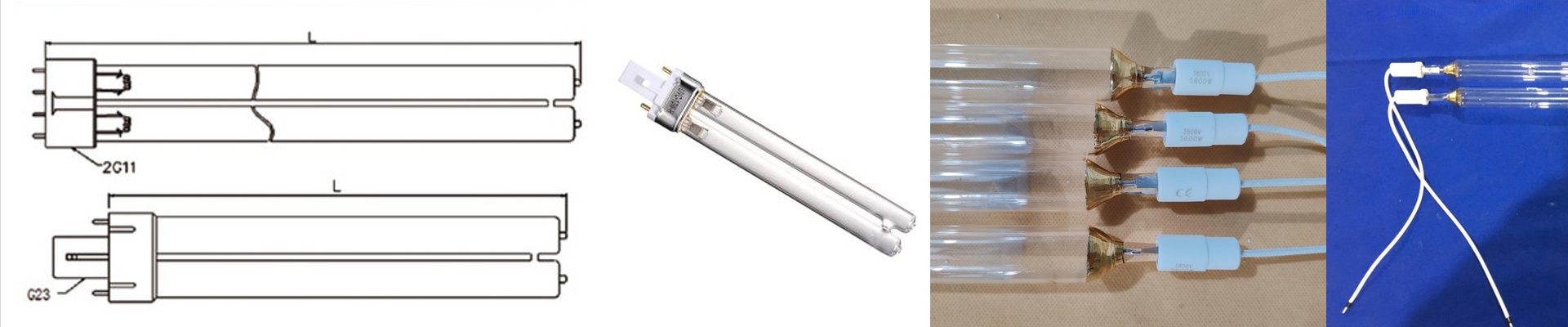
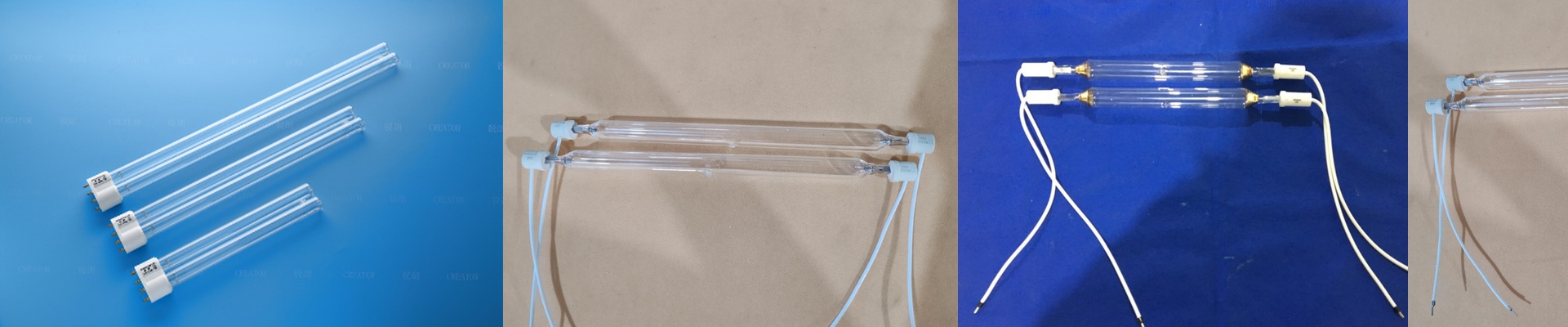
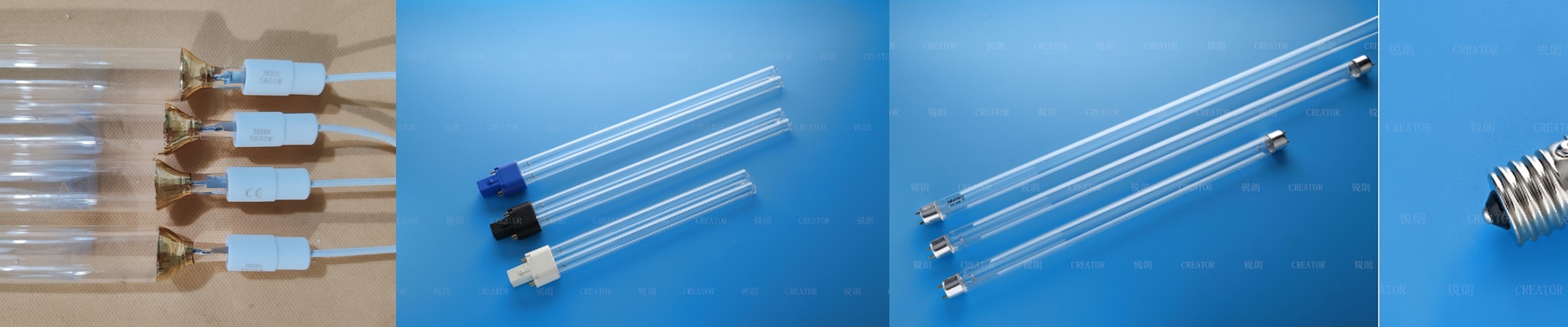
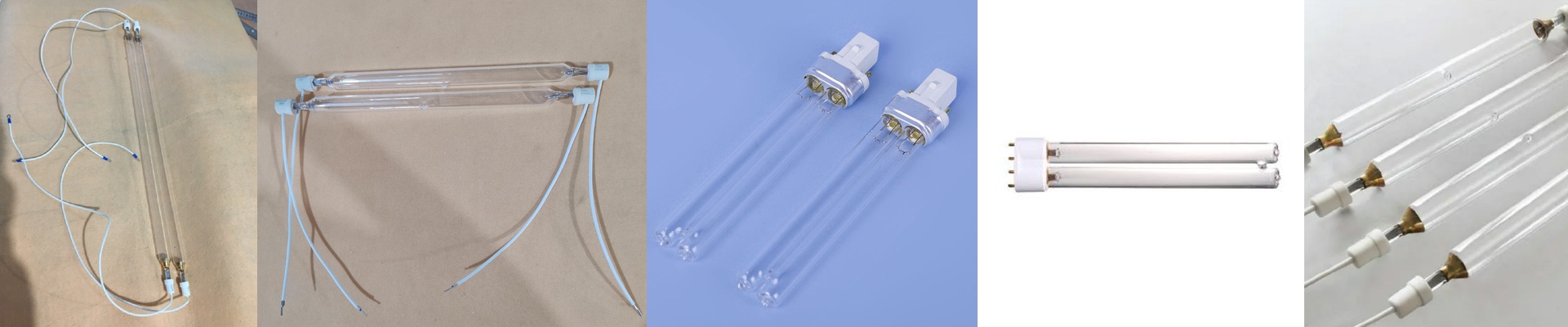
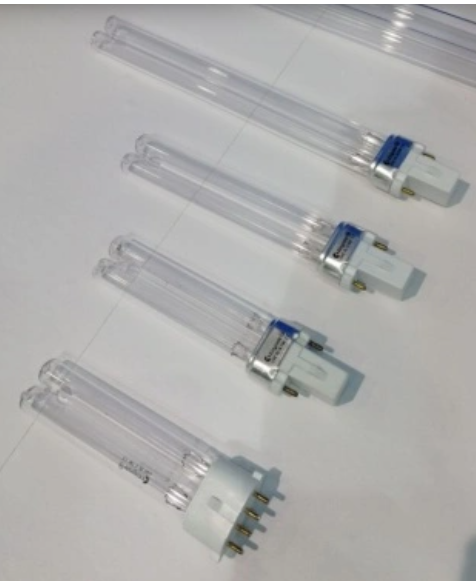
We spend a lot of time thinking about the footprint and the connection points. Why? Because a lamp that’s a pain to swap out is just expensive downtime. We stuck with standardized end-caps and electrodes so you can just drop a new one in and get back to work. The real secret sauce is in the electrodes. We use thoriated tungsten. It helps the lamp kick on faster and stops that annoying flicker when the power fluctuates. And look, we aren’t going to tell you these lamps last forever. That’s a lie. Instead, we’ve designed them with a predictable decay. You’ll know exactly when they’re winding down, which means you can swap them on your own schedule before you start seeing streaks in your ink.
Getting the cure right
Matching the lamp length to the width of your web is the easy part. The hard part is making sure the intensity is the same from one end to the other. We’ve tweaked the gas fill to make sure the UV output is flat across the whole lamp. No “cold spots.” No tacky ink. Just a consistent cure across the entire sheet, as long as your conveyor speed stays in the sweet spot.