
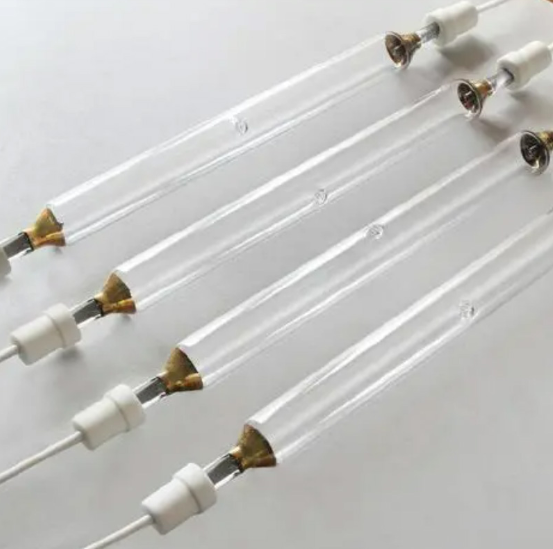
Let’s Talk About UV Energy
Most people look at a UV lamp and see a tool for drying things. We see it differently. To us, it’s all about precision—getting the exact right dose of photons onto your material so the chemistry actually works every single time.
The Deal with Mercury Vapor
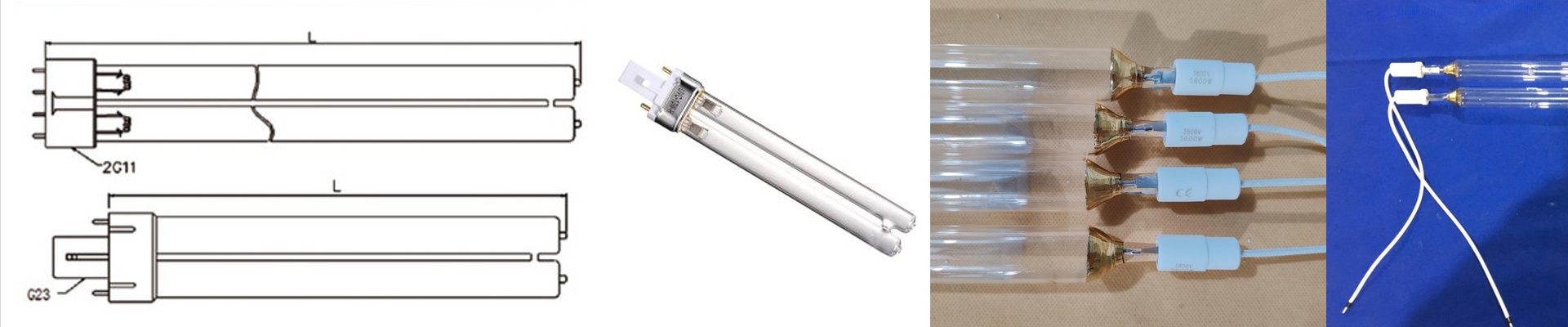
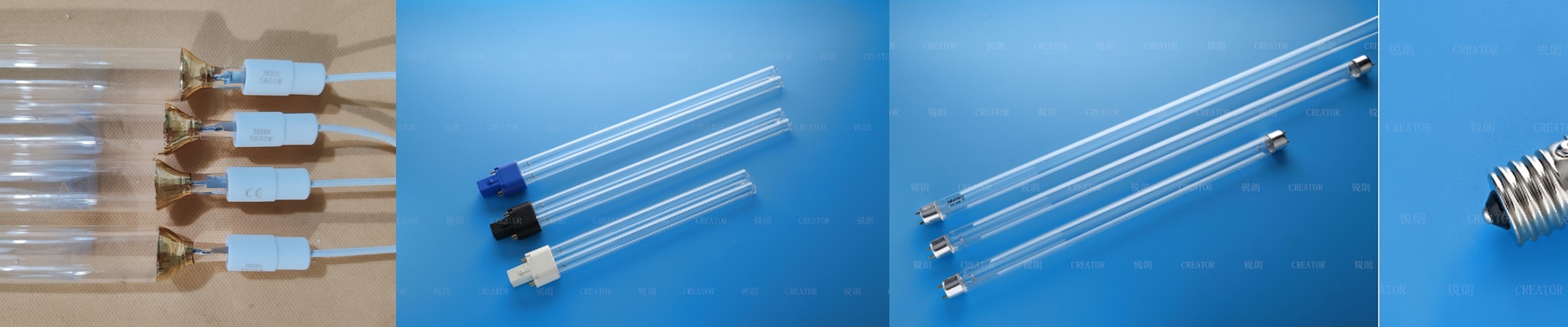
We build our mercury lamps to push as much UVC and UVB as possible. By tweaking the mercury vapor pressure and the quartz we use, we can basically dial in the light spectrum. If you’re dealing with thick coatings, you’ll want a high-pressure lamp for that raw intensity. For surface-level work? Go with low-pressure. Here is the trick: your lamp’s peak wavelength has to match your photoinitiator. If they aren’t in sync, you’re just burning electricity and ending up with a tacky, sticky surface that ruins your day.
The Hardware Side of Things
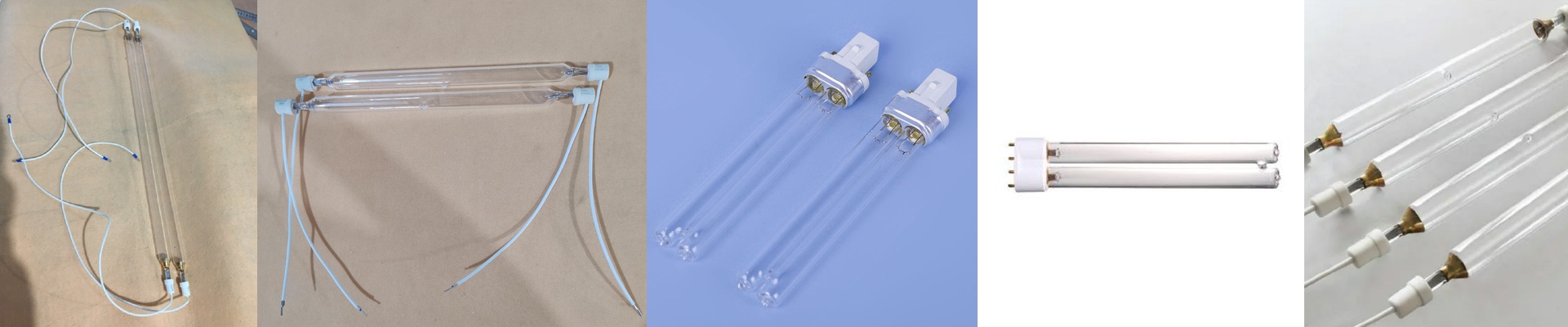
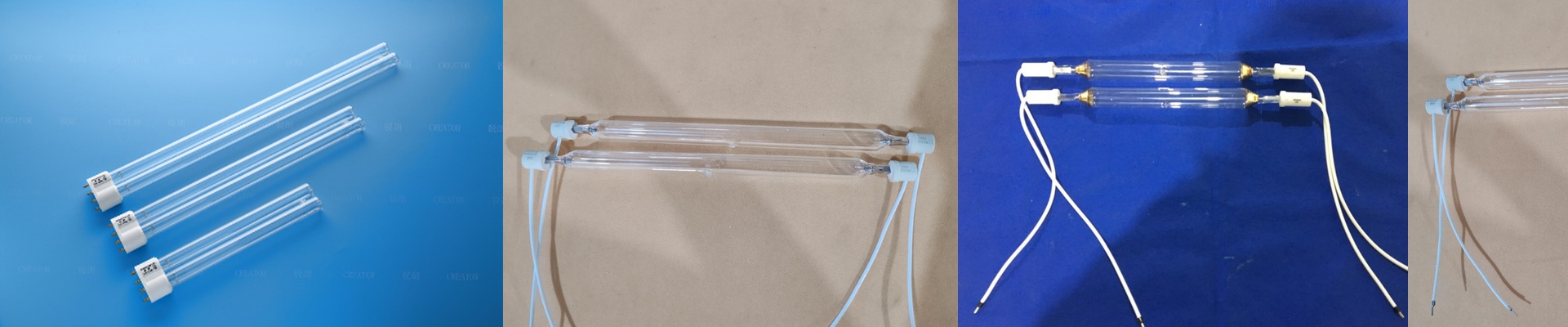
Our lamps are designed to slide right into your existing setup. But be careful with the power. This is where things usually go sideways for engineers. High-wattage lamps pull a lot of current. If your ballasts and wiring aren’t ready for that initial startup surge, you’re going to have a problem. To keep things running, we use high-purity fused quartz. This stops “solarization”—that annoying cloudy buildup that eats away at your UV output. We also use tungsten electrodes so the lamps don’t just burn out the moment they hit a heavy thermal cycle.
Dealing with the Heat
More power means more heat. Plain and simple. When a lamp is pushing 1000W of UV energy, it’s also dumping a massive amount of infrared heat. If your fans or water jackets can’t keep up, you’ll warp your parts or kill the lamp’s lifespan. My advice? Watch your lamp temperature in real-time. Keep it within the rated window, or you’ll be dealing with seal failures way sooner than you should.