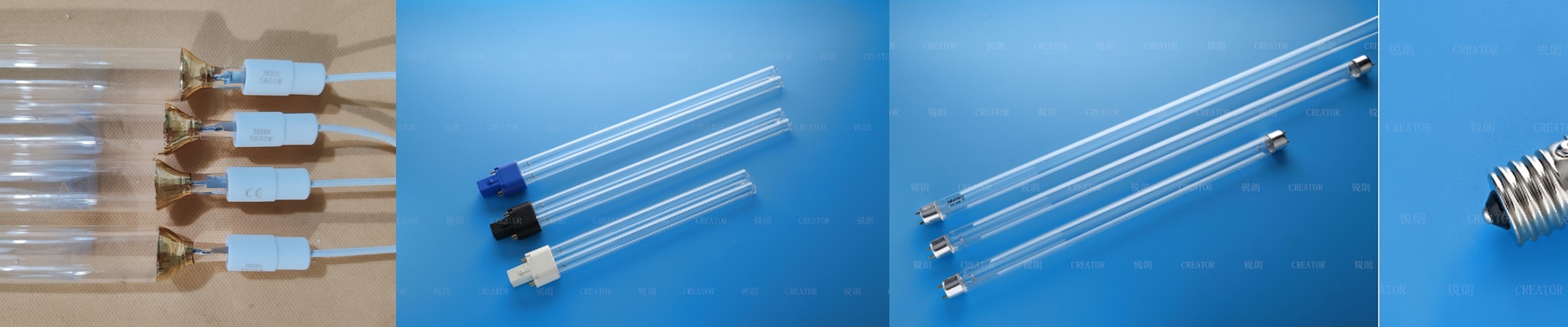
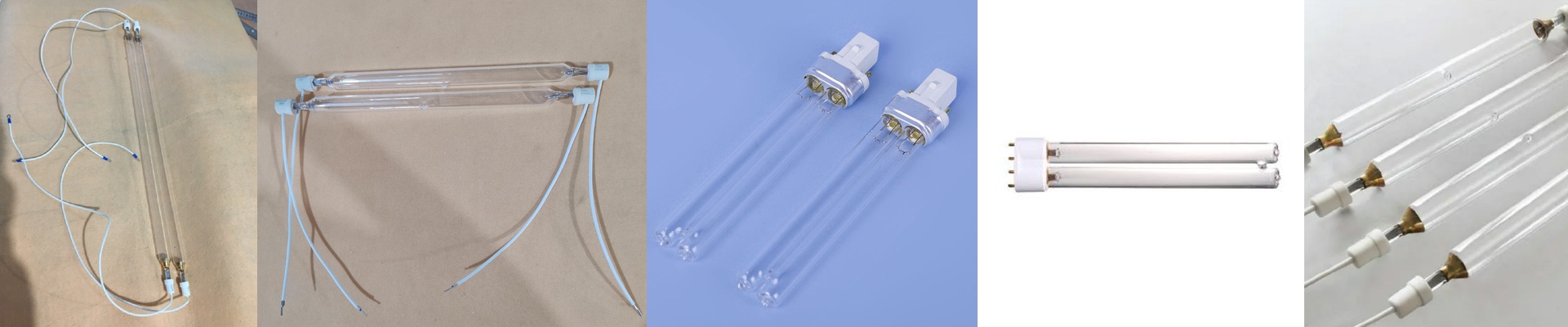
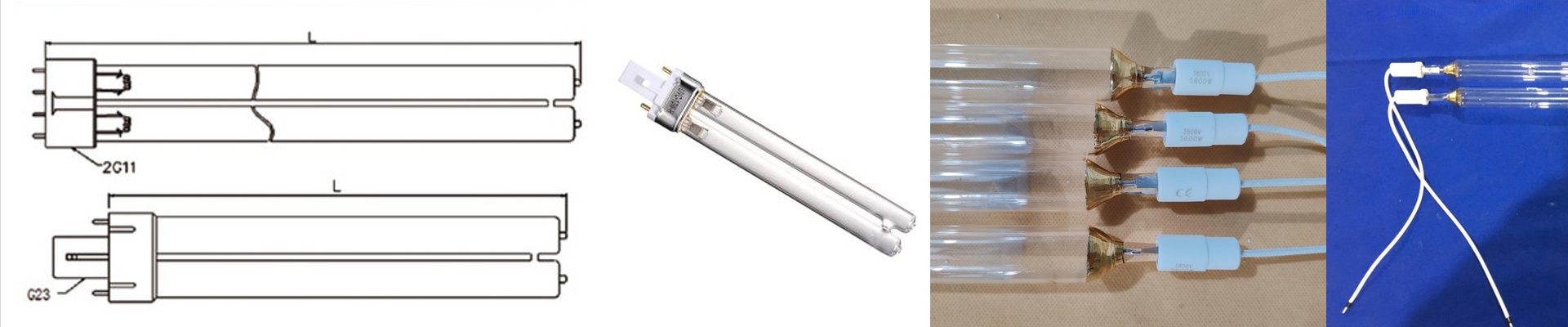

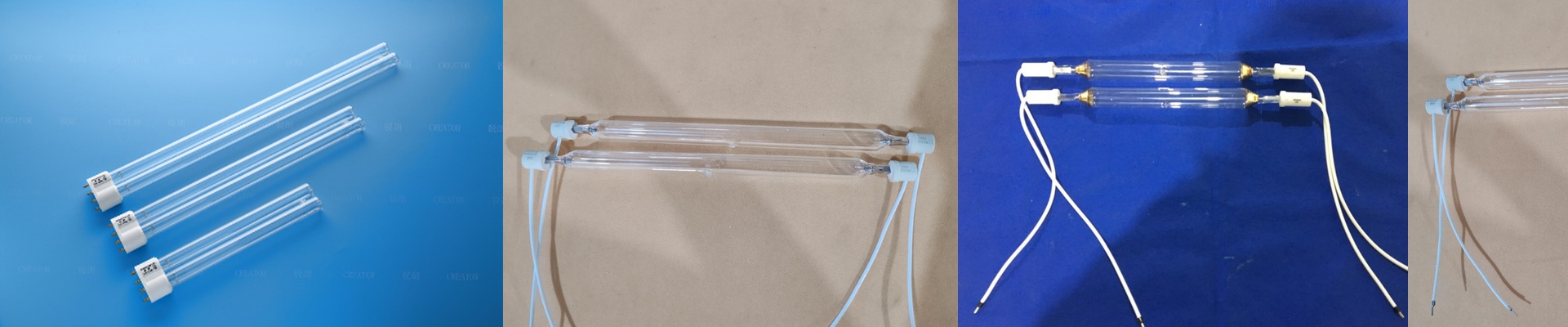
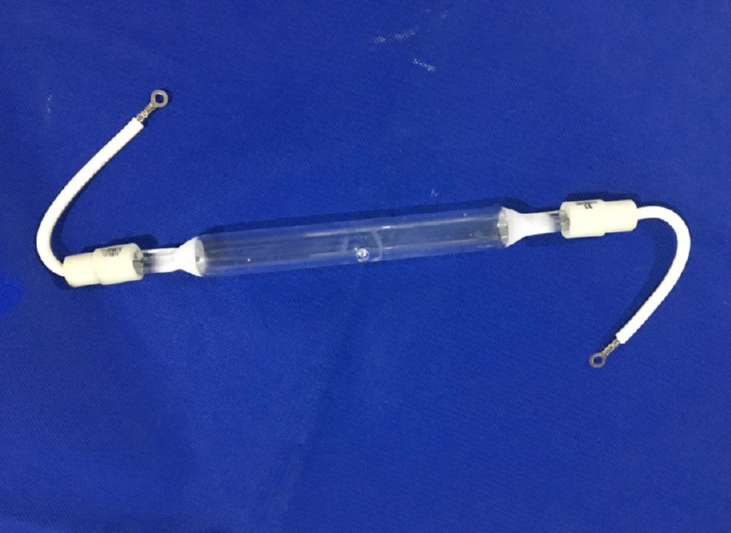
In a busy dental clinic, the sterilization cabinet is the last line of defense against cross-infection. Every cycle must deliver validated microbial kill rates without compromising instrument integrity. The choice between UV mercury lamps and UV LED curing systems is not a preference; it is a calculation of spectral output, irradiance stability, and operating cost. What Matters Technically High-pressure mercury lamps deliver a broad spectral output, peaking around 254 nm for germicidal action, with additional lines that can be filtered. They deliver high peak irradiance, enabling rapid dose accumulation. However, their output drifts over time, and lamp life is typically capped around 1,000 to 1,500 hours, with warm-up and cool-down constraints. UV LEDs emit narrowband radiation, with stable output from the first second, no warm-up, and rated lifetimes exceeding 10,000 hours. Their dose control is repeatable, driven by constant current and closed-loop thermal management. Why It Works Here For dental sterilization, the UV dose at 254 nm determines inactivation of pathogens on surfaces and in shadowed crevices. Mercury lamps can achieve high irradiance quickly, shortening cycle times, but require consistent reflector alignment and frequent lamp replacement, increasing downtime. LEDs maintain irradiance stability across thousands of cycles, which translates into predictable log reduction and fewer validation drifts. Over five years, LEDs reduce replacement frequency and energy draw, lowering total cost of ownership despite higher initial investment. Things to Know LEDs are sensitive to thermal design; heat sinking and airflow must match the cabinet geometry to keep junction temperature within limits and preserve spectral stability. Mercury lamps need proper ballast matching and ozone management; mismatched ballasts can cause current surges that degrade output. Verify dose maps with a calibrated radiometer at the work plane, and confirm that instrument materials tolerate the chosen wavelength profile.