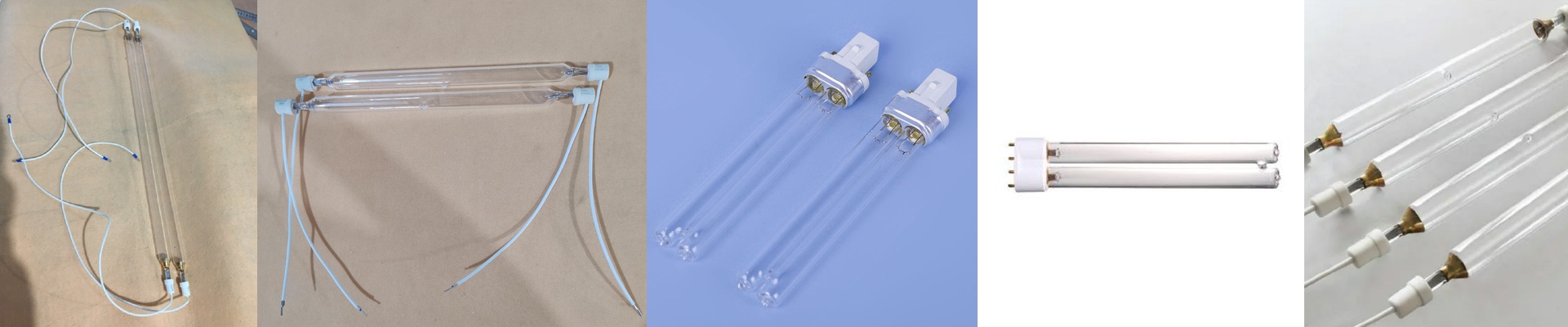
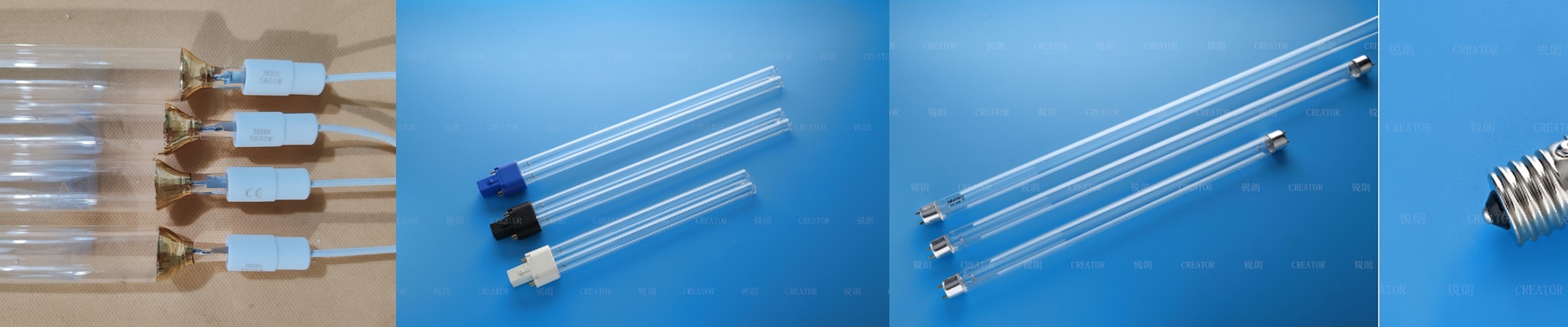

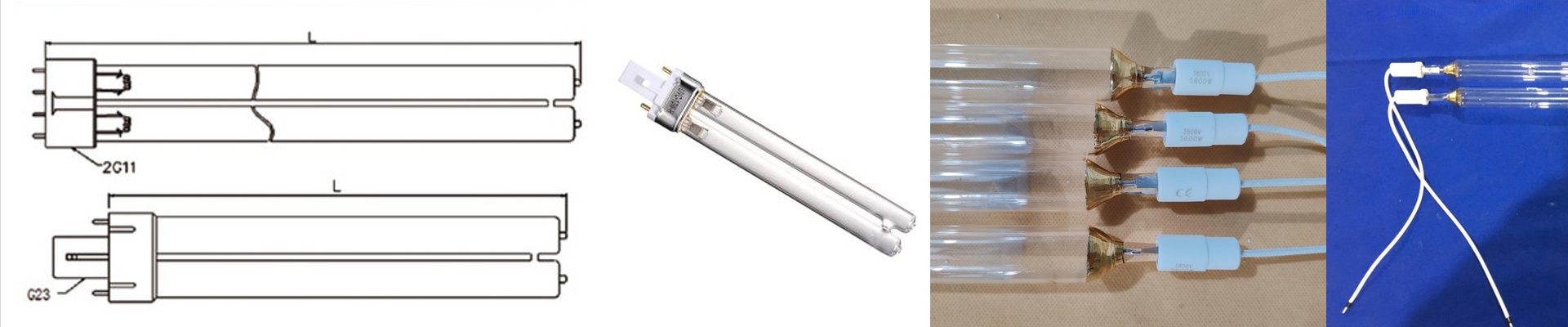
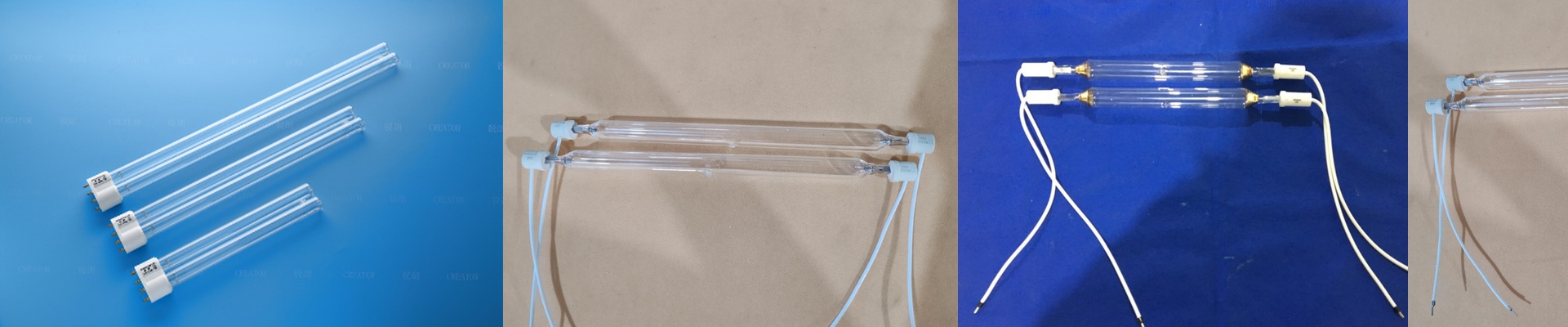
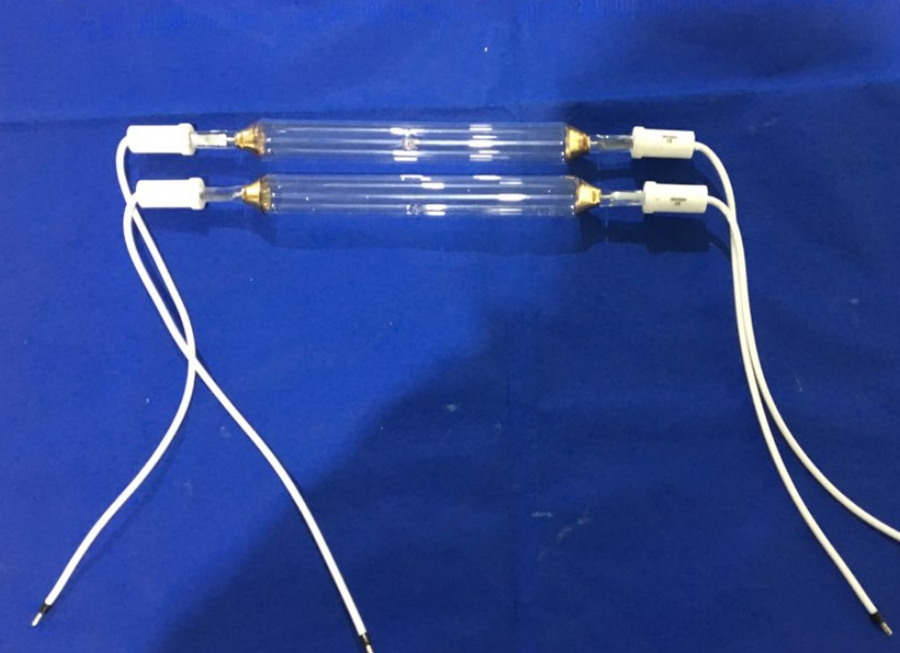
Making Sense of Smart Monitoring for Mercury UV Bulbs
For years, standard mercury UV bulbs have just… worked. They’re the old reliable of industrial drying. You pump in high voltage, create an arc, and the radiation does the heavy lifting to set your polymers. The physics hasn’t changed, but the way we keep an eye on the power has.
Stop Flying Blind
Here’s the problem: most traditional UV setups are basically blind. You flip the switch, hope for the best, and just assume everything is running fine—until a part fails quality control or a bulb finally dies on you. We’re changing that by putting energy monitoring right into the ballast and lamp circuitry. Now, you can actually see the wattage draw in real-time. It’s a huge relief. As these bulbs age, their output shifts and their resistance changes. By watching the power curve, you can tell a lamp is dying before it actually kills your production line. No more guessing when to swap them out. You just look at the data and act.
The Reality of the Hardware
Now, adding smart sensors doesn’t change how the bulb works, but it does take up a bit more room in your power supply. You’ll need a controller that can talk to your dashboard via Modbus or MQTT. But let’s be honest about the trade-off. More electronics means more things that could potentially break. That’s why you need a fail-safe. If your monitoring gateway crashes, the lamps should just keep humming along in “dumb mode.” Production shouldn’t stop just because a sensor is acting up.
Life on the Shop Floor
For the engineers, this is the best part. No more trekking across the floor with a UV radiometer every single shift. You just wire it up, set your thresholds, and wait for the alert. When the efficiency dips, you get a ping. It turns a stressful, reactive scramble into a simple, scheduled task. Just a quick swap and you’re back in business.