
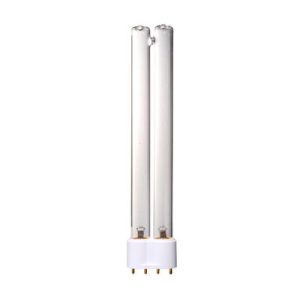
Getting the Most Out of Your 120W/cm Mercury UV Lamp
When we built the 120W/cm mercury UV lamp, we weren’t just looking to “dry” things. We wanted something that could actually keep up with a high-speed assembly line without breaking a sweat. It’s all about hitting those throughput targets without sacrificing quality. The heat is the real challenge. Packing 120W/cm into such a small space gives you an incredible amount of energy. It’s great because you can crank up your belt speed and still get that instant cross-linking in your inks and coatings. No more worrying about under-curing. But here’s the catch: that much power creates a lot of heat. If your cooling fans or water-jackets aren’t up to the task, you’re going to have problems. We’ve seen substrates warp or edges start to singe because the thermal load was too high. You have to find that sweet spot between how hot the lamp is running and how fast your conveyor is moving. How it actually works Under the hood, it’s all about mercury vapor. We ionize that vapor to create a broad spectrum of UV light, specifically hitting those UVC and UVB peaks. That’s what makes the chemical reaction happen the second the product passes under the lamp. Making it work in the real world In a modern shop, you shouldn’t just be flipping a switch to “on” or “off.” We suggest hooking these lamps up to your sensors. That way, the power supply adjusts the wattage automatically based on how fast the line is moving. It’s a lifesaver for your equipment—it keeps the lamps from burning out while the line is sitting idle. One last tip:keep your reflectors polished. It sounds simple, but a dirty reflector is a silent killer. It tanks your efficiency and forces you to run the lamp hotter just to get the same result. Set a strict cleaning schedule. It’s the only way to make sure the UV throw stays consistent across the entire width of your web.