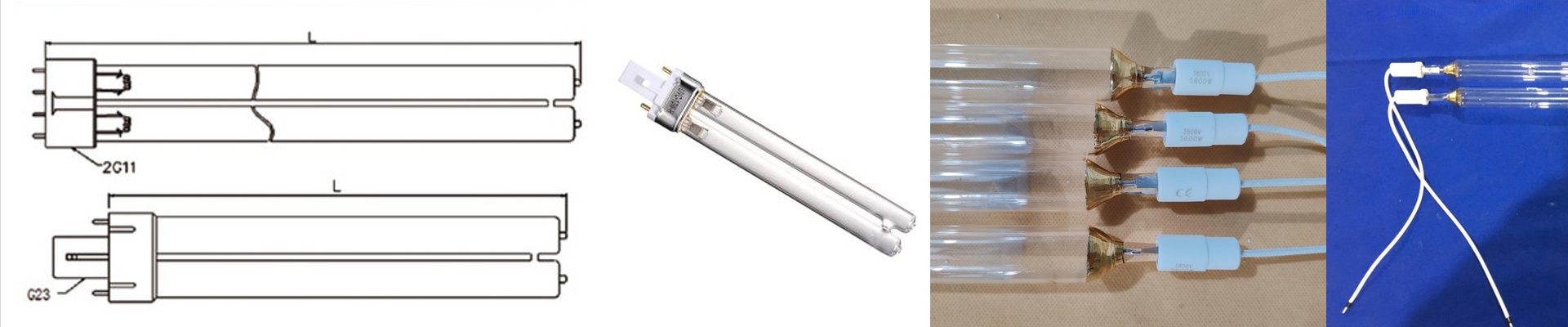
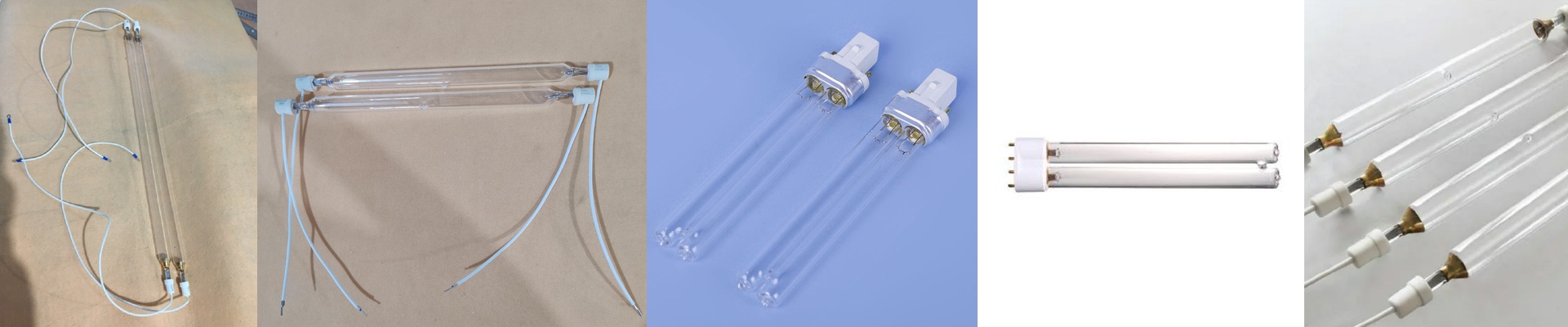

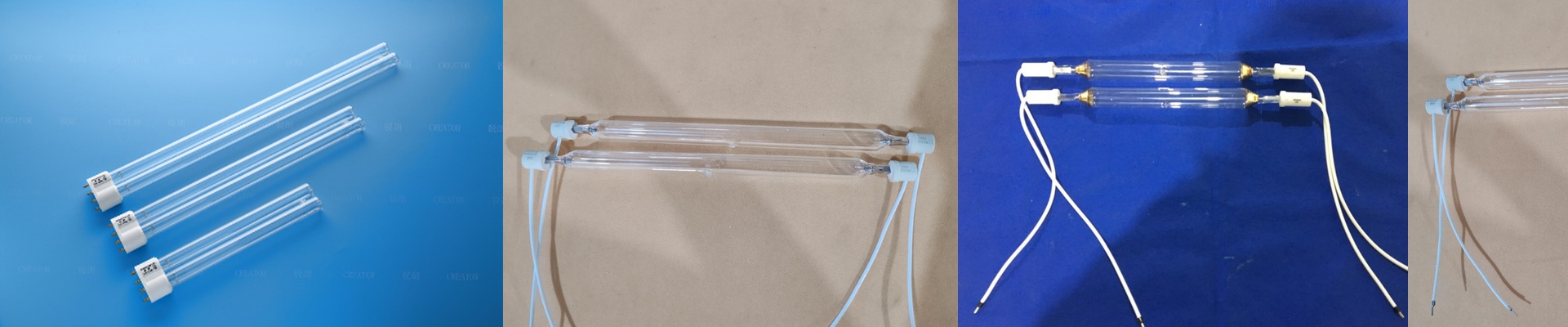
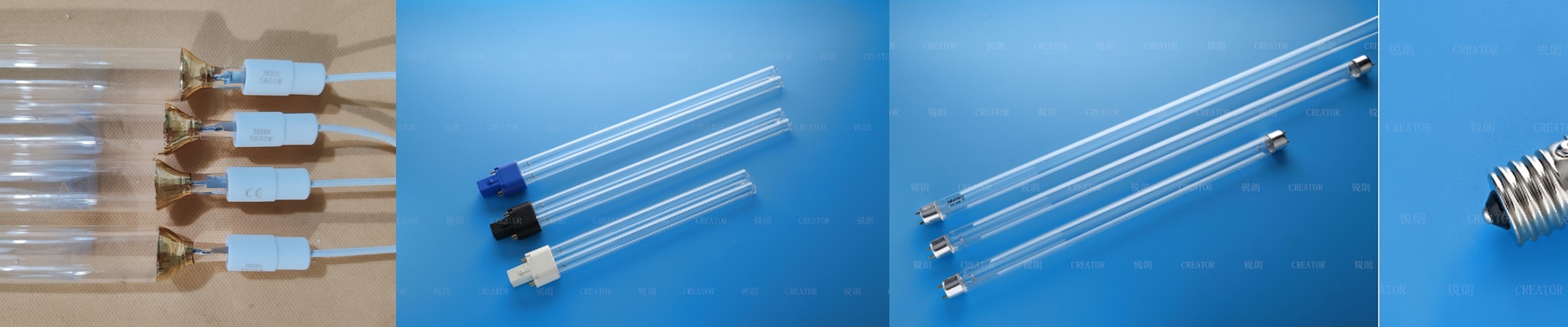
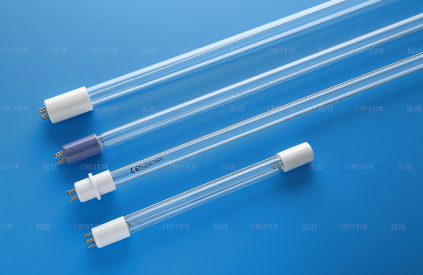
Getting Mercury UV Lamps Down to a 0.5% Spectral Concentration
Most wholesale mercury bulbs you’ll find are “broad spectrum.” For basic curing, that’s fine. But if you’re working with high-precision photo-polymerization or those tricky semiconductor coatings, “close enough” just doesn’t cut it. Our R&D team spent a long time obsessing over how to tighten that spectral energy concentration down to a 0.5% variance. Here’s how we actually did it.
The battle with physics
Mercury vapor lamps work by discharging electrons through mercury gas. To hit that 0.5% target, we had to get aggressive with how we controlled internal pressure and gas purity. We spent a lot of time tweaking the thickness of the quartz envelope. Why? Because of thermal expansion. If the tube expands too much, the internal pressure drops, and your peak wavelength starts to drift. We locked those dimensions down tight so that drift simply doesn’t happen.
Better quartz, more heat
We switched to high-transmittance synthetic quartz. Standard glass tends to soak up UV energy and turn it into wasted heat, which creates “hot spots” that eat away at the electrode. By refining the materials in the glass, we make sure the energy stays exactly where it belongs: in the target UV band. Fair warning, though. These lamps run hotter than the generic stuff. That’s the trade-off. To get this level of concentration, we have to push the current density higher. You’ll need to make sure your cooling fans or water-jackets are up to the task, otherwise, you’re looking at fried sockets.
Why this actually matters for your line
When you have this kind of control, the “under-cured” zones in your high-speed production lines basically vanish. You get a consistent cure depth across the entire part, every single time. It stops being a guessing game and starts being a repeatable process. If your ballast can handle tight voltage tolerances, these are designed to slide right into your existing industrial arrays. No need to rebuild your whole setup.