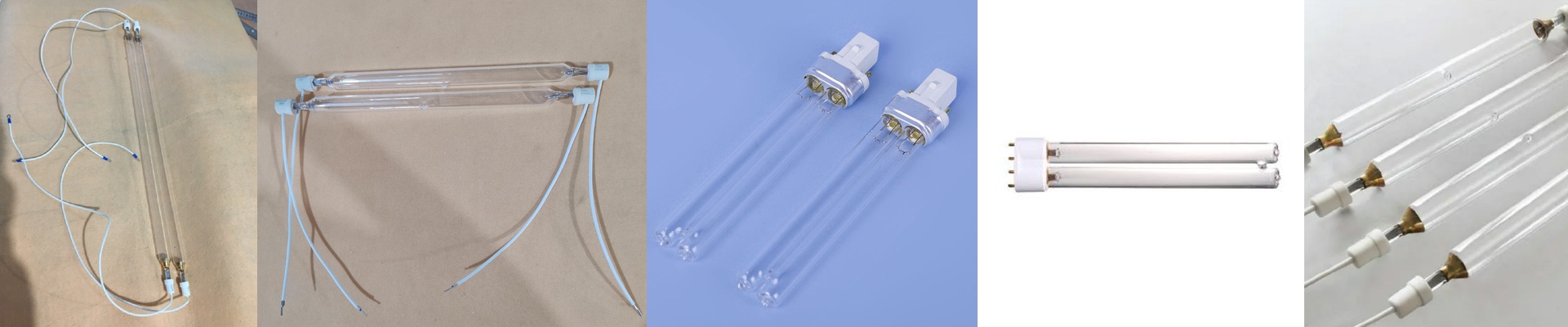
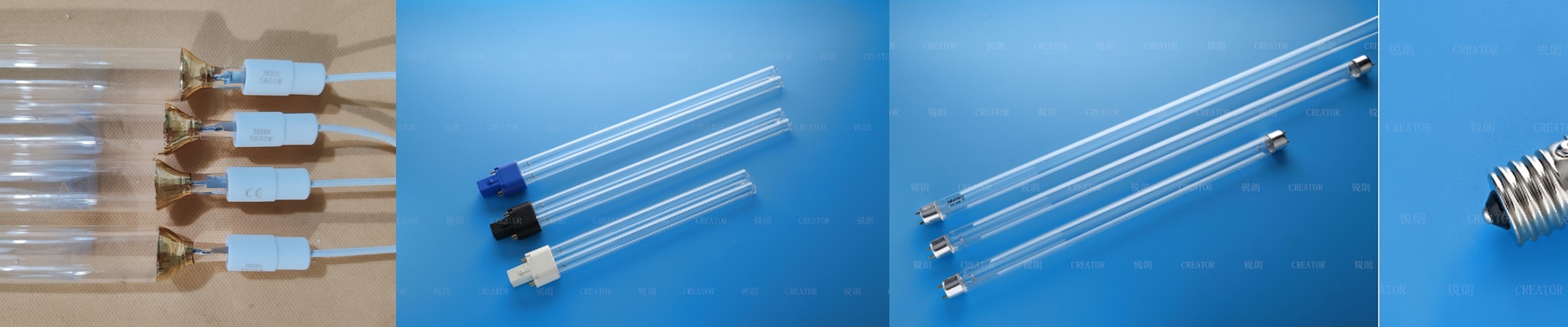
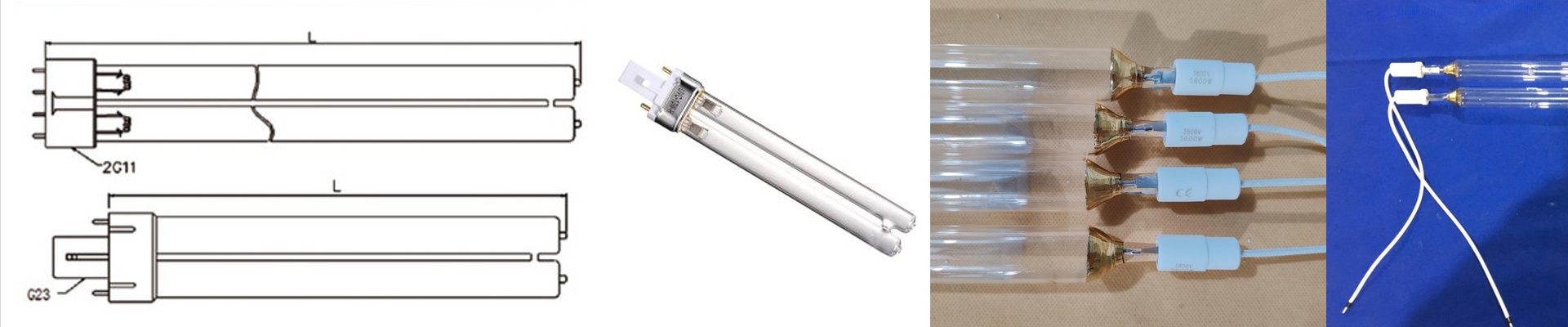

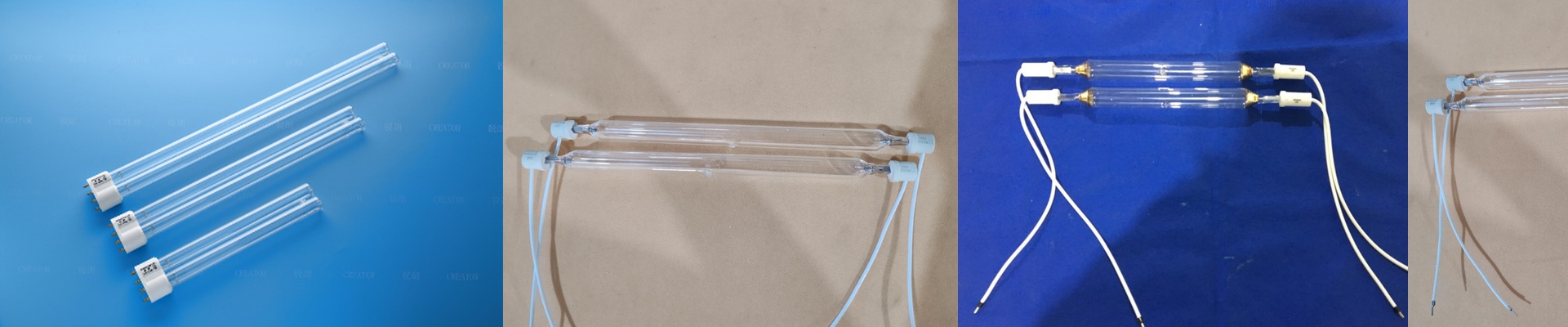
The Power Behind the Performance
Here’s the thing about this Gallium Iodide lamp: we spec it at 3000W and 380V for a reason. It’s all about giving you rock-solid, high-output UVC that can handle the grind of an industrial workday. That wattage is what gives you the sheer photon power needed to wipe out microbes fast—perfect for keeping a production line moving. And the 380V supply? That’s just standard for industrial plants. It keeps the current lower than a 220V setup, which means less stress on your wiring, less energy lost to heat, and a much easier install into your existing electrical cabinets. Now, this combo delivers serious power, but it comes with a catch. The lamp runs hot. Really hot. So your fixture and heat-sink setup need to be up to the task. If you don’t keep the quartz envelope in its sweet spot, the output will drift and the lamp life will take a hit.
The Why Behind the Build
We chose a Gallium Iodide fill over a basic mercury mix because it keeps the UVC output steady over the lamp’s entire life. This chemistry stops the tungsten from migrating too quickly and keeps the inside of the quartz from blackening up. The payoff? Consistent intensity. And when it comes to sterilization, consistency is everything. The envelope itself is made from high-purity quartz, so it lets the UVC through with almost no absorption. The lamp is built to handle the shock of rapid start cycles, but let’s be real—it’s not indestructible. Shock and vibration will still do it in. And the connector system? It’s designed to hold tight in industrial heat, creating a secure, low-resistance connection that won’t loosen or arc, even when things are running hot.
Making Sure You Know It’s Working
When you’re using UVC for sterilization, you can’t just guess. You need to measure the intensity to confirm you’re getting the right dose. That’s why we designed this 3000W, 380V lamp to make monitoring straightforward. It’s all about stable output, predictable warm-up, and consistent performance every time you swap out a lamp. You can easily set up a calibrated radiometer in the chamber to check the irradiance right at the target surface. If the reading is off, you know it’s time to replace the lamp or tweak the dwell time. No more guesswork. Of course, that 3000W power comes with a trade-off. You’ll need solid cooling and proper shielding. So make intensity monitoring part of your system from the start, not an afterthought.