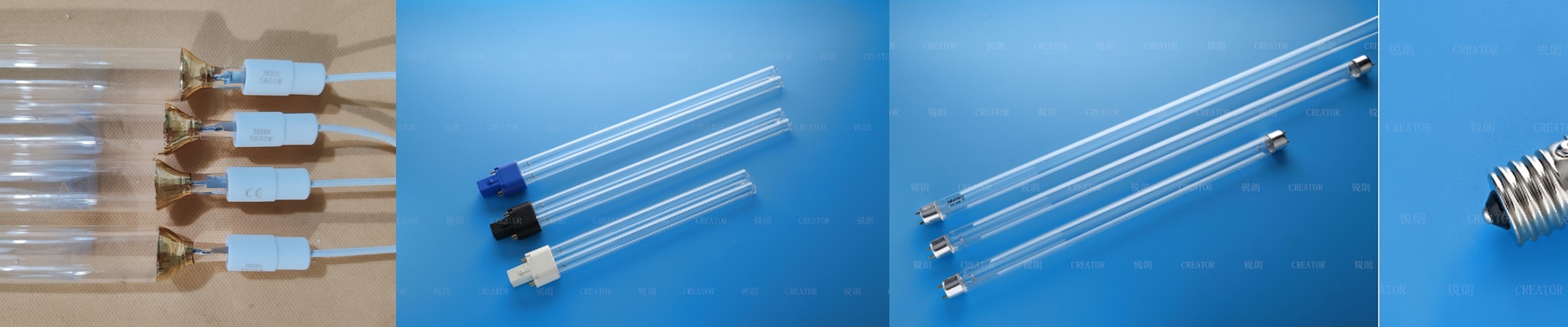
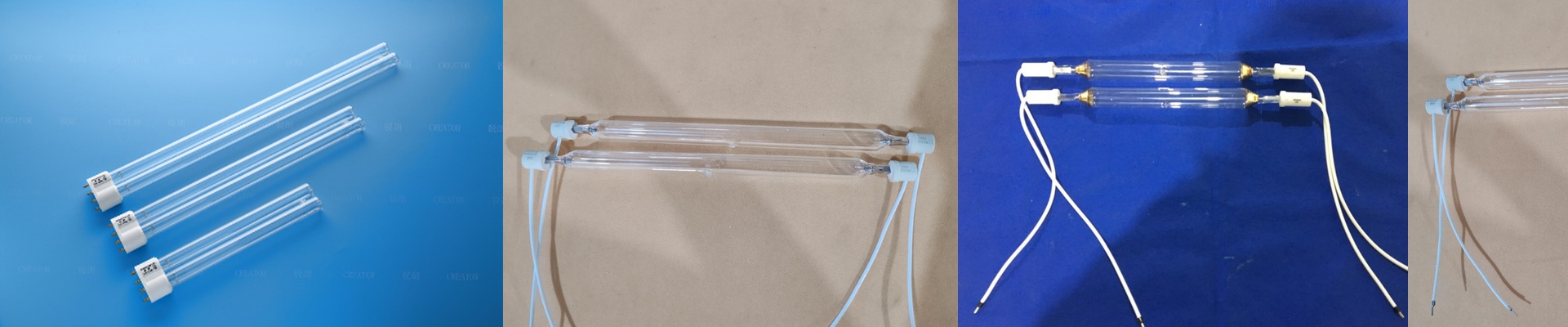

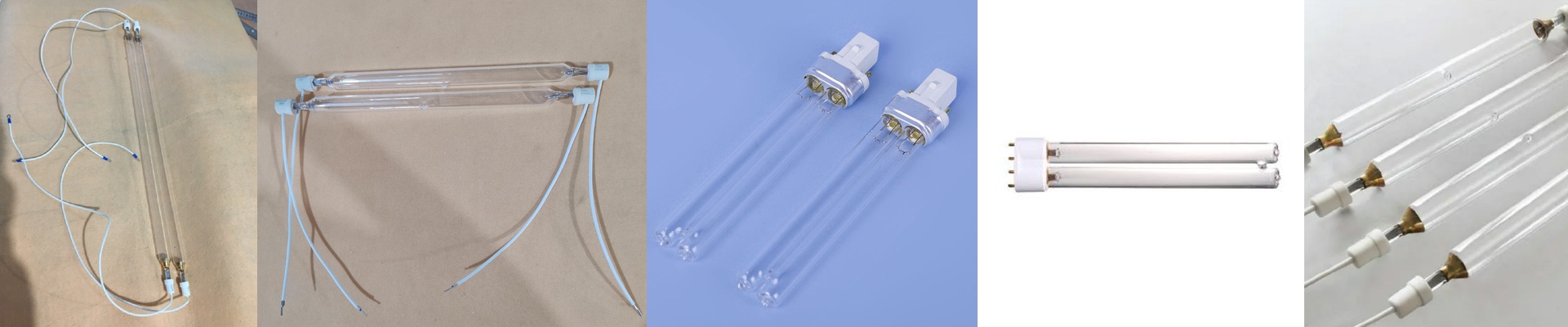
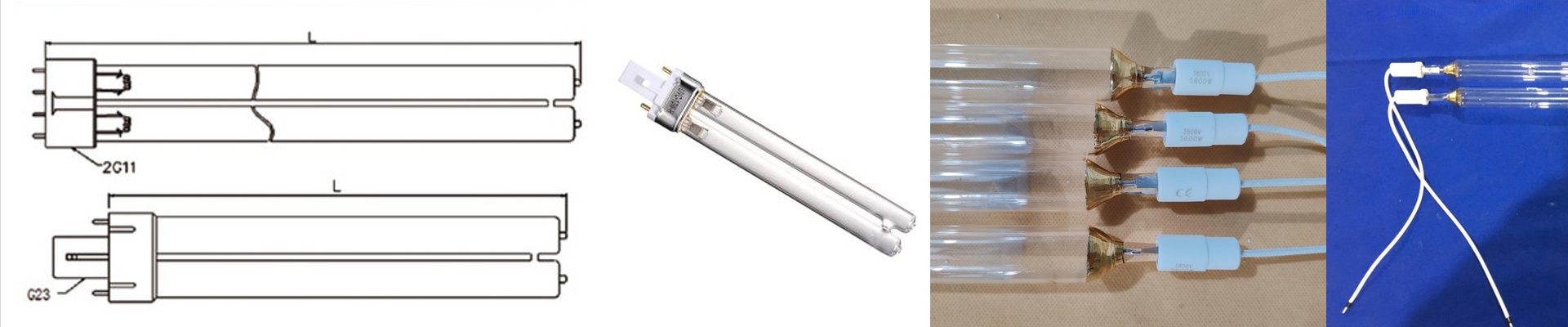
On the press floor, metal and glass jobs are where UV curing earns its keep—and where a mistake hits hard. With these substrates, under-cured ink isn’t just a cosmetic issue. It delaminates when you handle it, when solvents hit it, when heat hits it. The real question isn’t whether UV works. It’s whether your lamp is putting out the right spectrum and enough irradiance to drive full cross-linking.
What matters, technically
Gallium-doped UV exposure lamps push more energy into the 365–405 nm window, which lines up with the photoinitiators in most metal and glass ink formulations. That targeted output boosts photon absorption at the top of the film, so polymerization kicks off fast and then builds inward. Match that with a high-reflectance dichroic reflector, and peak irradiance stays high across the arc length. You get the energy density—measured in mJ/cm²—needed for deep conversion without trying to chase it by slowing the conveyor.
Why this approach fits metal and glass
With tough substrates, adhesion comes down to a cure that actually reaches the interface cleanly. Gallium-doped emission cuts down on surface-only curing, so the ink film cures through and anchors to the substrate. The payoff is measurable: higher cross-link density, better solvent resistance, and adhesion you can count on—even on textured or low-energy surfaces. You also get lamp behavior that stays predictable over time, with output curves that degrade in a way you can plan around, so your process window stays repeatable.
Practical details you can’t skip
These lamps are built for output, and they run hotter than the low-temperature UV setups you might be used to. Install them with matched reflectors, and make sure your power supply can hold the required voltage and current. Take spectral radiometer readings at the substrate plane, not at the lamp surface. And confirm the geometry matches your press—screen, flexo, or offset—because mismatched arc length and reflector layout will throw off dose, even when the lamp chemistry is spot on.