
Why Most Industrial UV Lamps Fail (And How We Fixed Them)
We’ve spent a lot of time on shop floors—about 3,000 printing plants, to be exact. If there’s one thing we learned, it’s that “off-the-shelf” lamps usually aren’t built for the real world. They can’t handle the constant shaking of a high-speed press or the brutal heat. So, we stopped following the standard playbook and started designing for stability and consistency.
The battle with heat
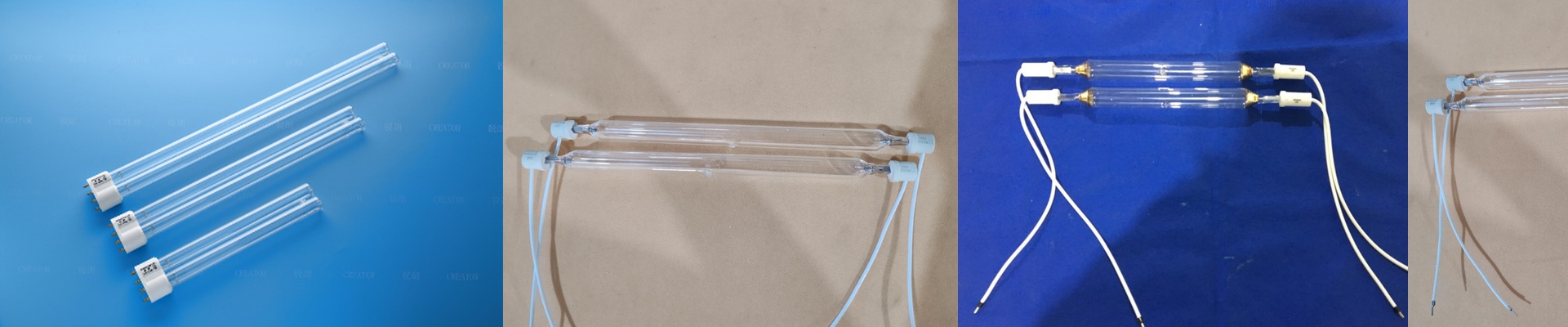
Here’s the thing: to cure ink instantly, you need serious power. But if you just cram too many watts into a short tube, you’re basically asking for a burnout. It’s a balancing act. We spend a lot of time tweaking the electrode composition. Why? Because in a real plant, you’re starting and stopping these things all day. If the cathode degrades, the lamp dies. Simple as that. Then there’s the infrared heat. If your cooling blowers aren’t up to the task, your substrate is going to warp. To stop that, we redesigned the reflector geometry. It pushes the UV energy exactly where it needs to go—forward—while venting the heat away from your product.
Getting the light right
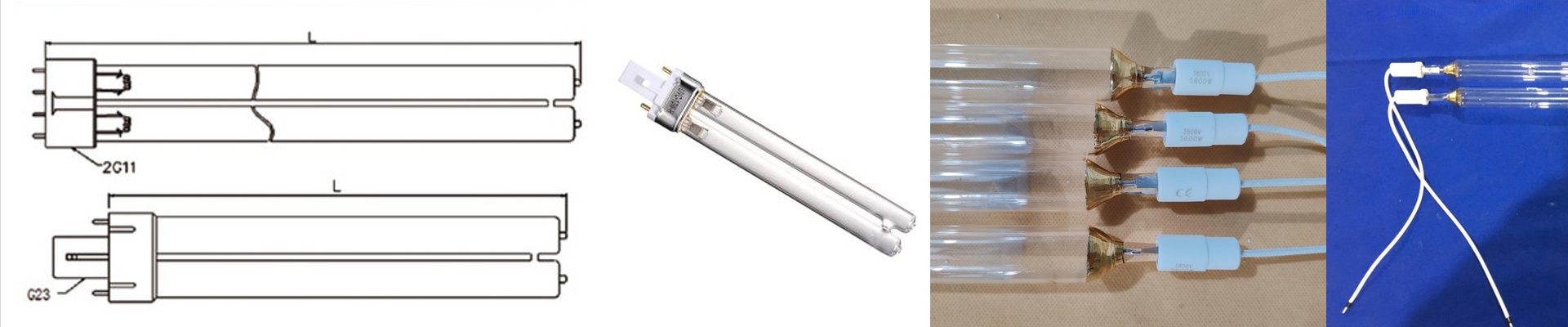
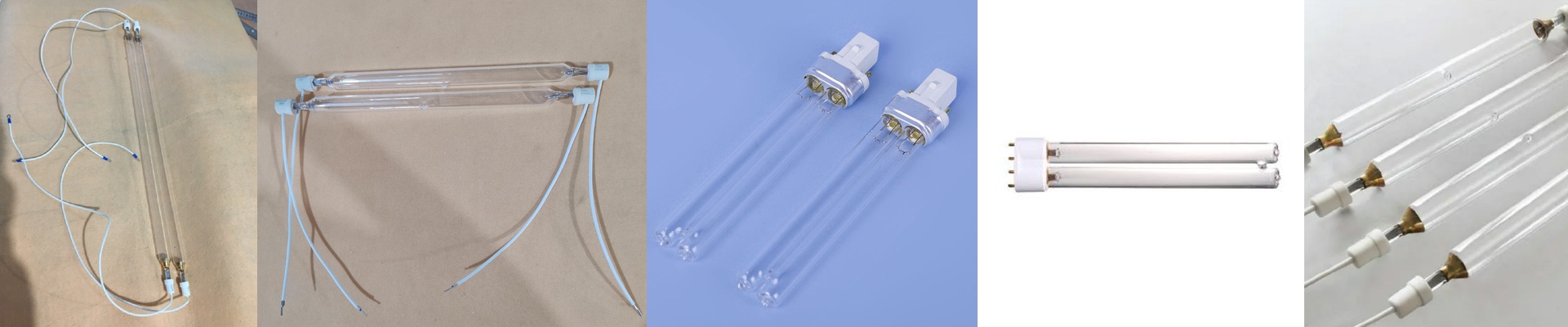
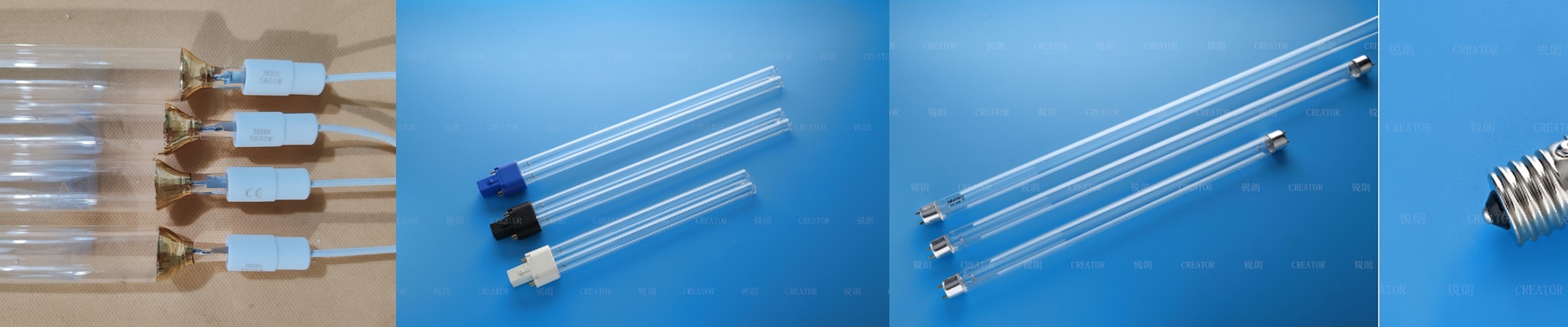
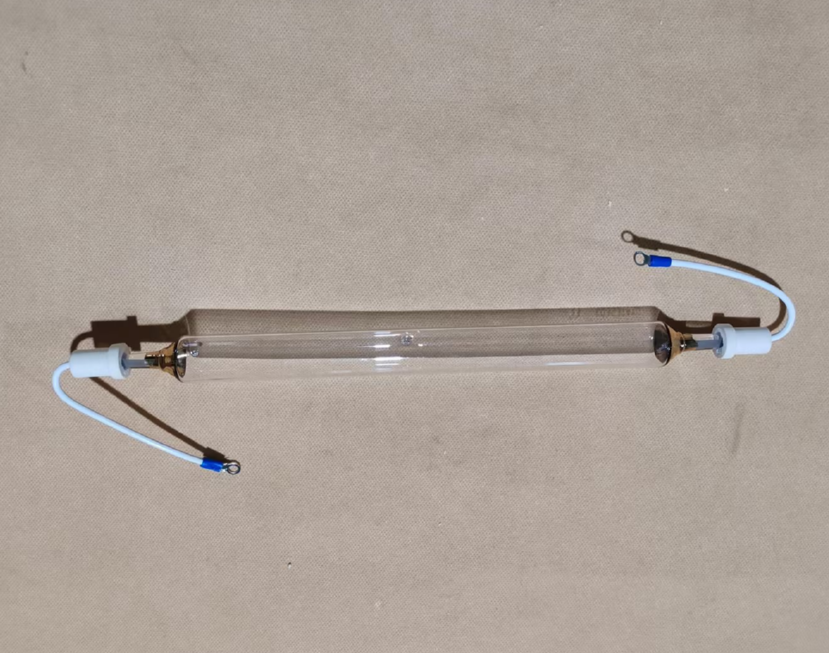
We use high-purity fused quartz for the envelopes. It’s not just for show; it lets the maximum amount of UV through and won’t crack when the temperature swings wildly. Depending on what kind of ink you’re running, we tune the mercury vapor pressure to hit the right wavelength. If you need short-wave UV for surface curing, you need a very precise focal length. And because nobody wants to spend their weekend rewiring a whole rack, we made our replacements “drop-in.” They fit your existing footprint. You just swap them and get back to work.
Surviving the shop floor
Let’s be honest: printing plants are dirty. Dust piles up on the quartz sleeves, and it kills your output. We’ve seen plants lose 20% of their curing power just because of a layer of grime. It’s frustrating. That’s why we focused on easy-access mounts. Your team can swap a lamp in a few minutes without needing a degree in engineering. One last tip: remember that pushing for higher intensity usually eats into the bulb’s lifespan. You’re trading hours of life for faster line speeds. It’s a fair trade, but you’ve got to track your lamp hours. Nobody wants a failure right in the middle of a big run.