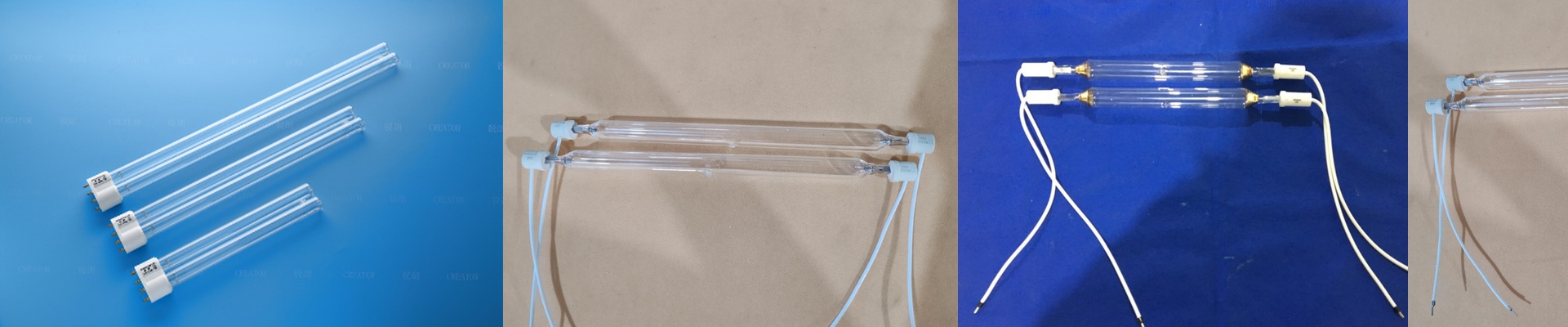

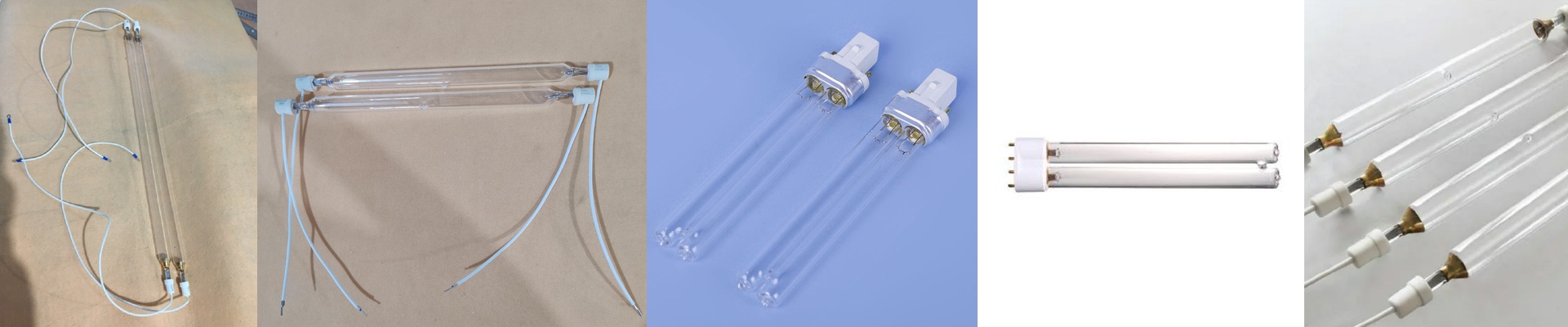
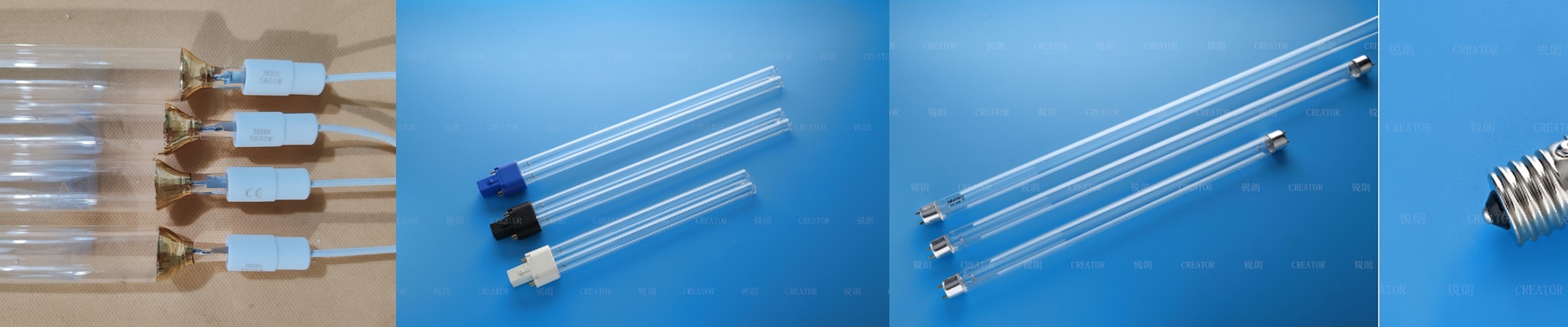
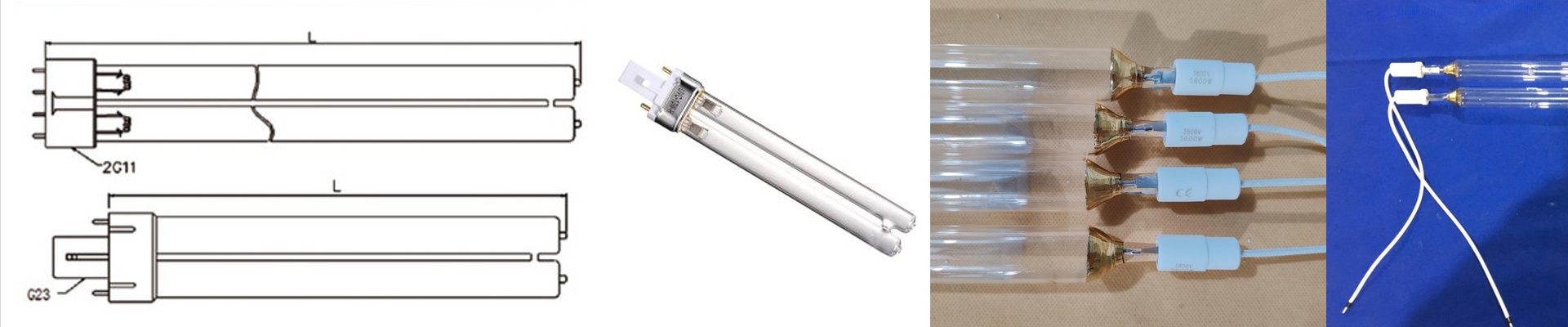
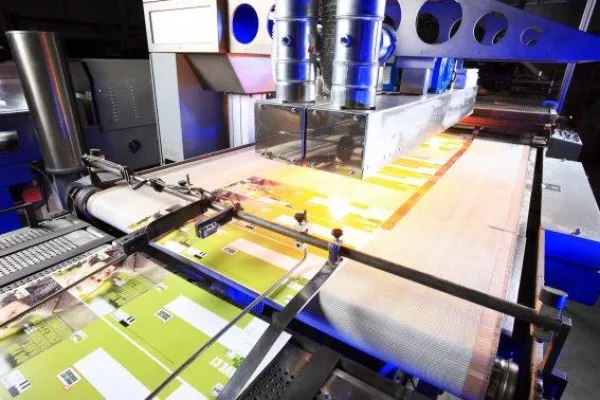
When an M&R or KTK screen line loses its UV lamp, you’re not just down a bulb — you’re down orders and scrapping substrate. Our double-ended UV lamp is built as a straight 1:1 swap: same geometry, arc length, and electrical interface. It drops into the existing reflector and ballast without rewiring or re-engineering the curing station. What matters under the hood We spec double-ended mercury vapor lamps with stable spectral output centered at 365nm, hitting peak irradiance above 1,200 mW/cm² at the focal plane. The quartz envelope matches the printer’s reflector profile, and the dichroic coating is tuned to cut IR heating while pushing UV-A photon flux. The target curing energy density is 600–900 mJ/cm² across the printed image width — enough to fully cross-link acrylate-based UV inks and coatings without surface inhibition. Start-up is under 10 seconds, and at rated current the output holds within ±5% over 1,000 hours. On M&R and KTK presses, the curing module is a tight package: lamp length, end-seal type, and reflector focal distance define the dose profile. Our 1:1 design keeps that profile intact, so you get consistent cure at production speeds — no over-curing thin substrates, no under-curing thick deposits. Operators see fewer tacky surfaces, less pin-holing, and better adhesion, without touching line speed or ink formulation. Here are the practical details. Before ordering, verify the existing lamp’s wattage, arc length, and connector style. Mismatched ends or wattage shifts irradiance distribution and can under-dose the print. Confirm the PLC interlock and shutter logic are compatible, then run a spectral radiometer scan after installation to set the correct lamp-to-substrate gap. Expect 2,000–3,000 hours of stable output; after that, output declines, so keep an eye on it with periodic irradiance checks.