
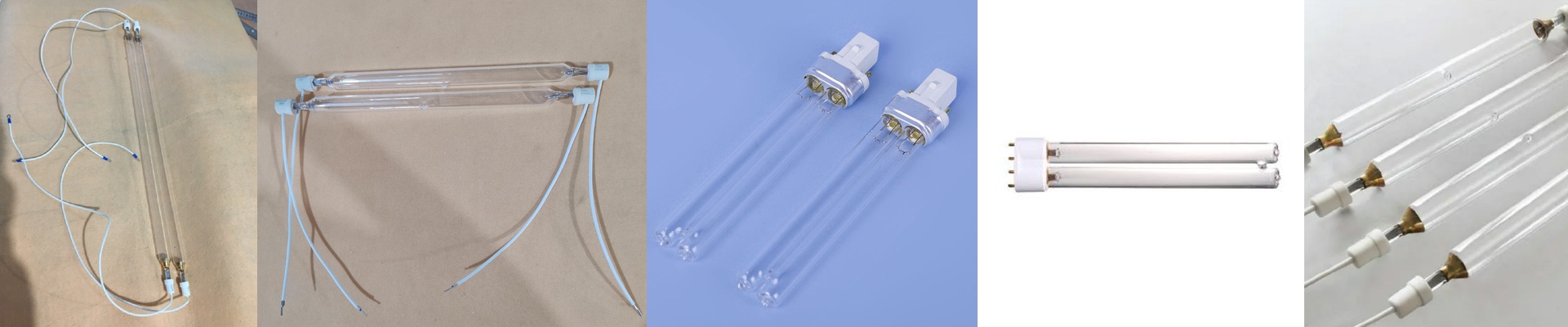
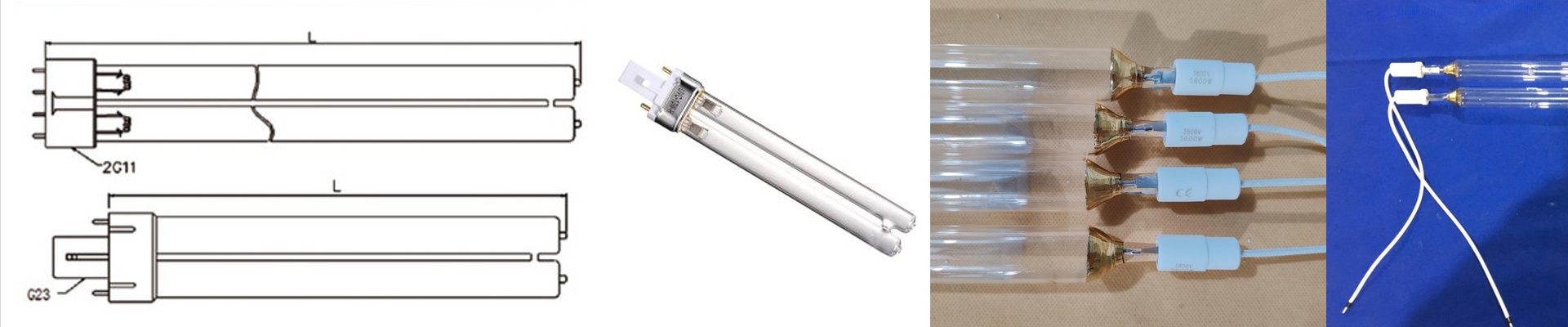
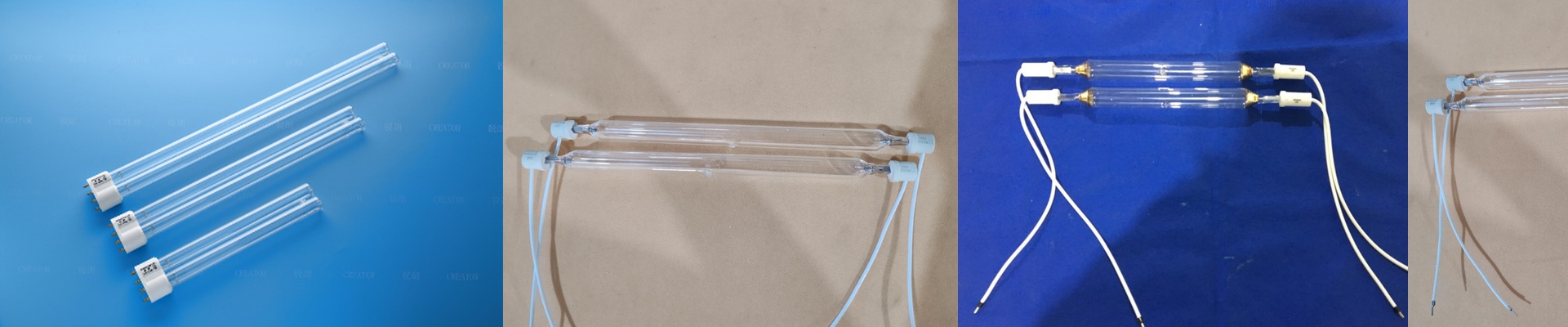
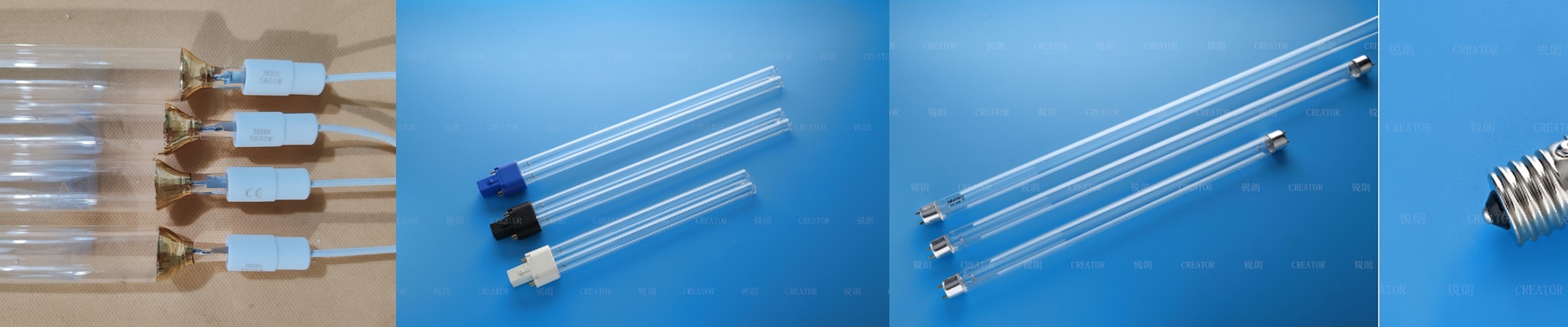
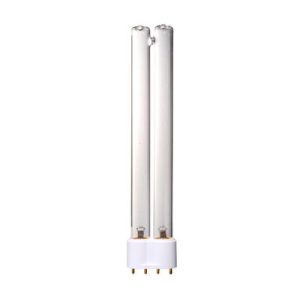
Upgrading an Anatol flash-cure system without rewiring the cabinet isn’t as simple as dropping in any lamp. The spectral output and electrical behavior have to line up with the original fixture. Our quartz UV lamp tubes are built to match that exactly, so it’s a true drop-in that keeps the machine’s control logic and reflector geometry intact. What actually matters is the marriage between your ink’s photoinitiator chemistry and what the lamp emits. We dial the spectral distribution to deliver the right UVA proportion, so the photoinitiator absorption bands get enough photon flux for rapid cross-linking. The quartz envelope gives stable transmission and thermal performance, which keeps peak irradiance consistent across the arc length. You get repeatable light intensity at the substrate, so you can hold your energy density window in mJ/cm² without chasing hot spots and cold zones. It works because the lamp fits the Anatol system as-is. Dimensions, arc gap, and terminal interface are held to tight tolerances, so you keep the original reflector efficiency and don’t have to re-qualify the cure profile. The payoff is straightforward: faster throughput on press, less makeready waste, and a stable cure even on tough substrates—without touching the circuitry or control parameters. Energy use stays predictable, and lamp-to-lamp variability is kept to a minimum. A couple of practical notes. Verify the existing lamp’s wattage and ignition method before ordering. Mismatched power shifts spectral output and will cut service life. Keep the lamp and reflector clean. Dust and ink residue scatter output and drop effective intensity. Handle the quartz tube with gloves. Skin oils and surface contamination degrade output over time.