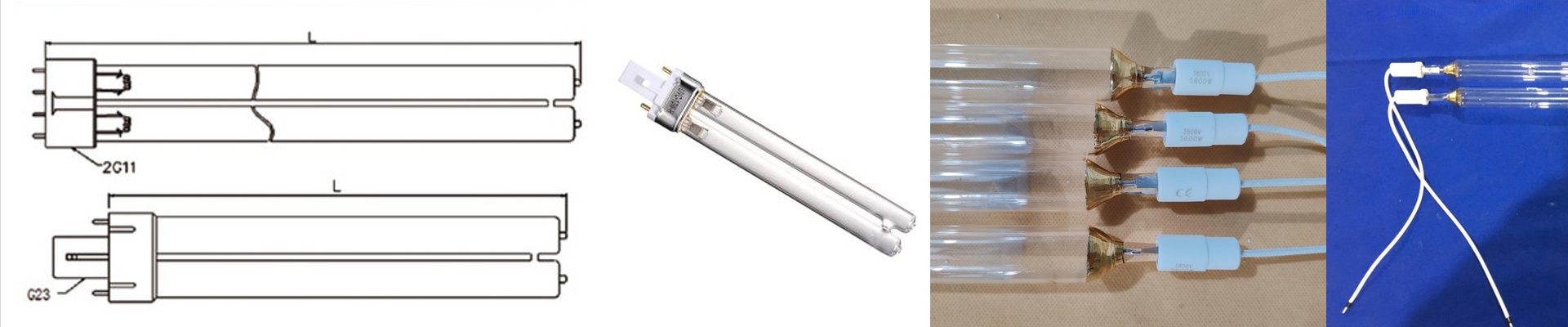

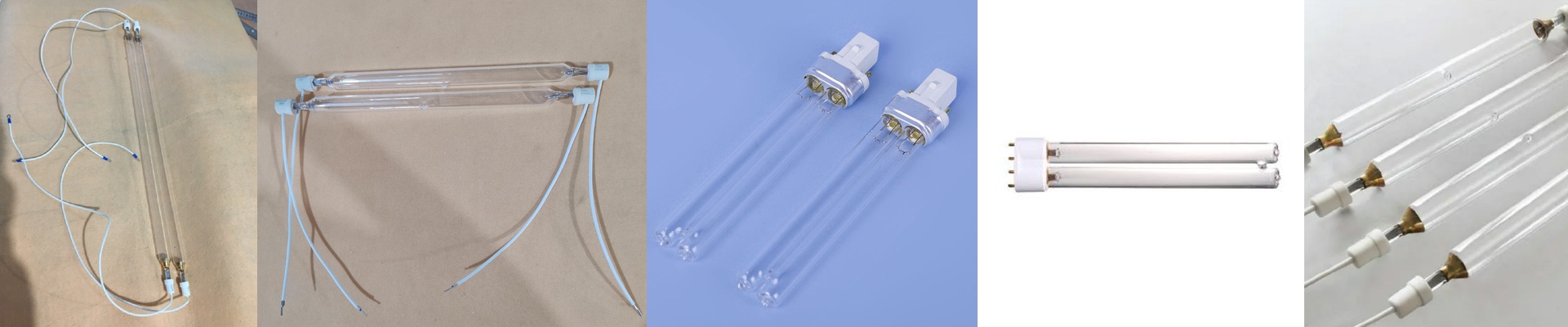
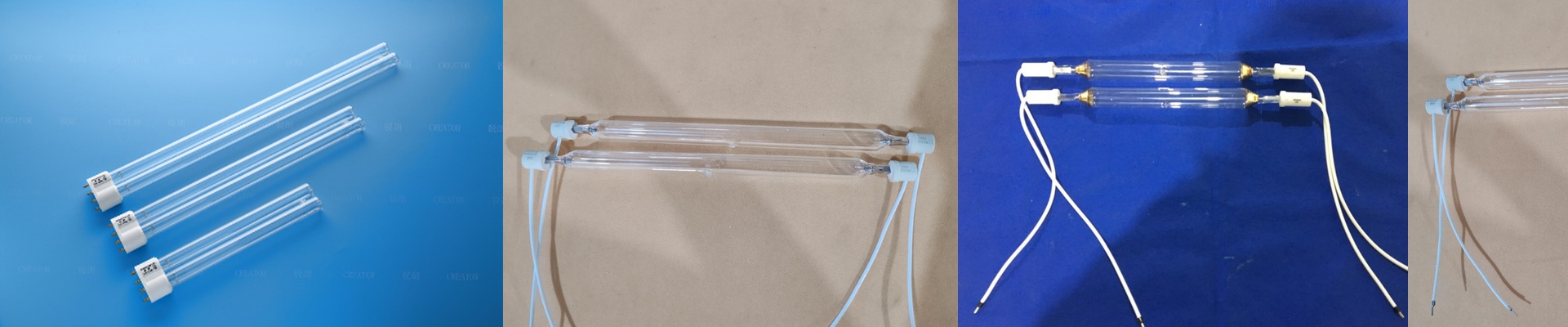
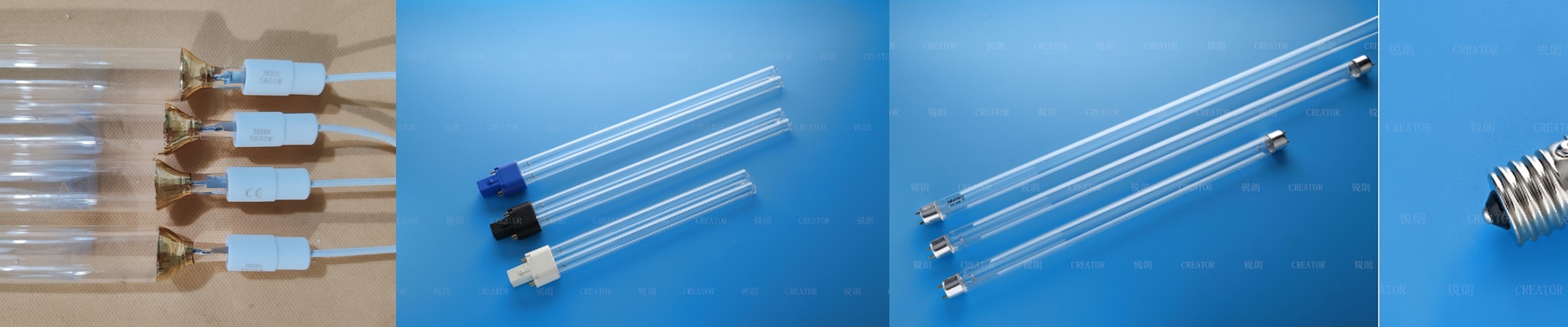
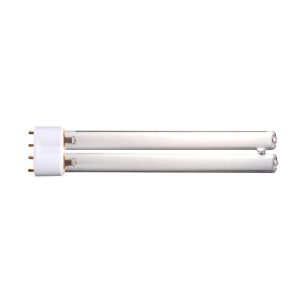
Walk the textile floor and you see it immediately: from pigment-coated substrates to finished garments, every micron of ink and coating has to lock up the instant it hits the cure zone. Under-curing leaves uncured monomers behind, which means tack and migration. Over-curing wastes energy and can stress heat-sensitive fabrics. The answer is delivering UV energy precisely—no more, no less. What actually matters under the hood We lean on mercury vapor lamps tuned to match the photoinitiator absorption, with spectral output at 365 nm and 385 nm, plus that stable 405 nm shoulder that helps pigmented systems cure through. Peak irradiance at the substrate lands at 800–1200 mW/cm², hitting 400–800 mJ/cm² in a single pass. High-purity quartz envelopes and dichroic reflectors keep spectral purity in line and keep the heat on the lamp side. For ozone-free operation, a 200–280 nm blocking coating keeps the line clean and protects the substrate. Expect 3,000–5,000 hours of stable output, with less than 5% drop in irradiance by end-of-life. Why this fits textile work Textile runs are all over the place—thin synthetics, heavy fleece—and line speeds swing from 50 to 200 m/min. When the spectral output matches the photoinitiator window, you get full cross-linking without scorching, even on dark substrates where 385 nm and 405 nm cut deeper. The payoff is consistent cure at higher speeds, fewer rejects, and energy use you can plan around. You get a repeatable cure window, not a guess. The details that bite you if you ignore them UV lamps demand tight electrical and thermal control. Input voltage tolerance is ±5%, and water cooling needs to hold 20–30°C inlet with at least 2 L/min flow; otherwise you risk envelope stress and spectral drift. Add an interlock and a UV intensity sensor—skip them and you shorten lamp life and compromise operator safety. And always confirm reflector geometry and lamp position with your printer OEM to keep that design focal plane where it should be.