
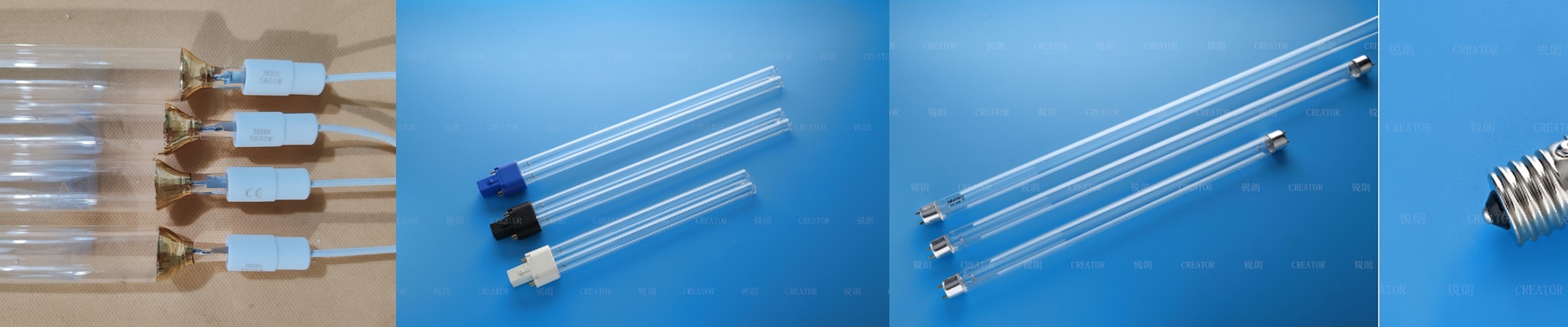
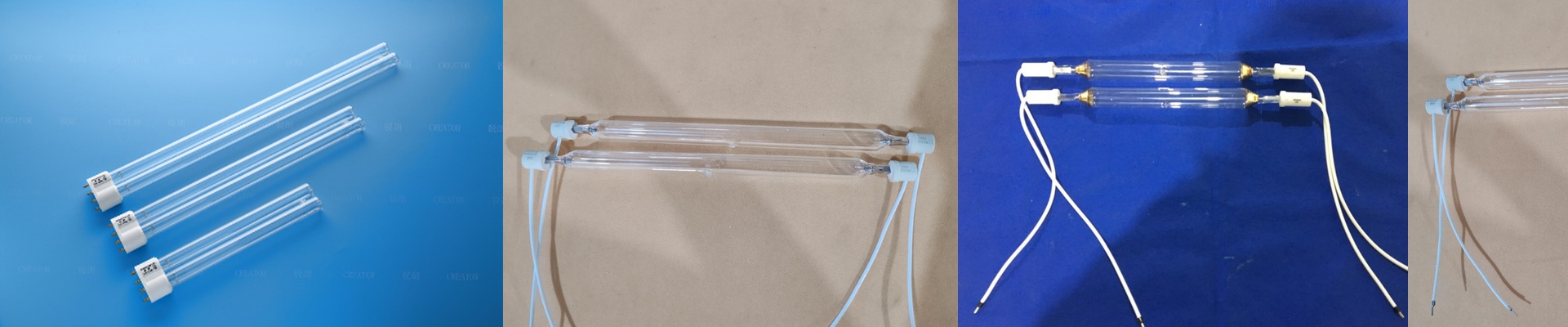
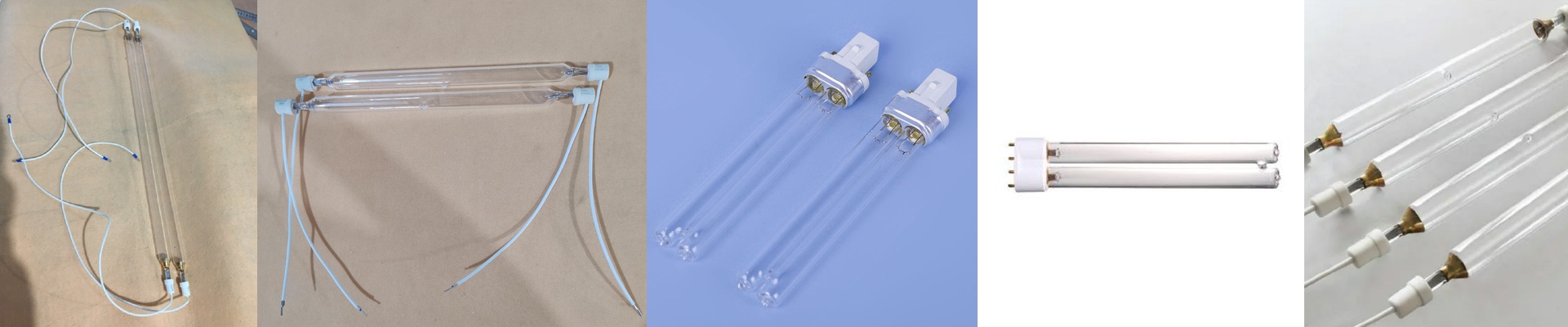
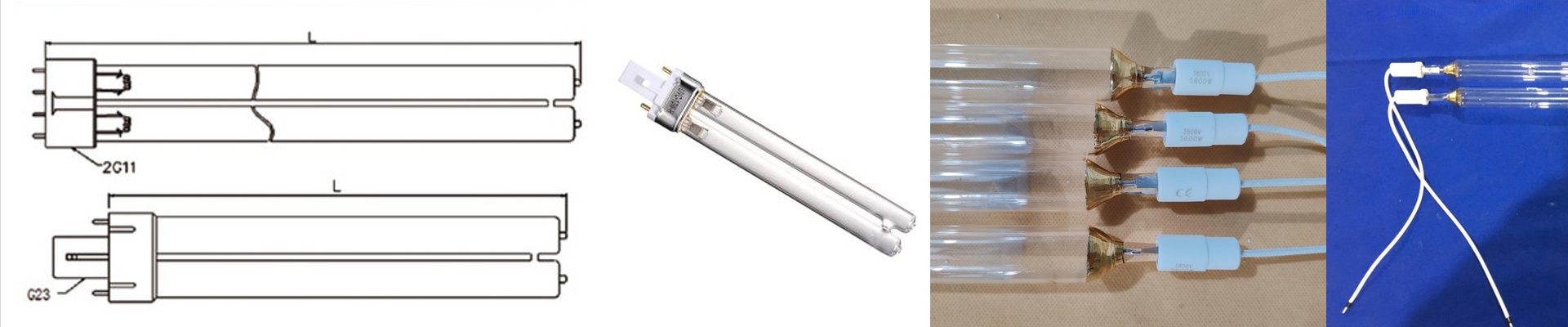
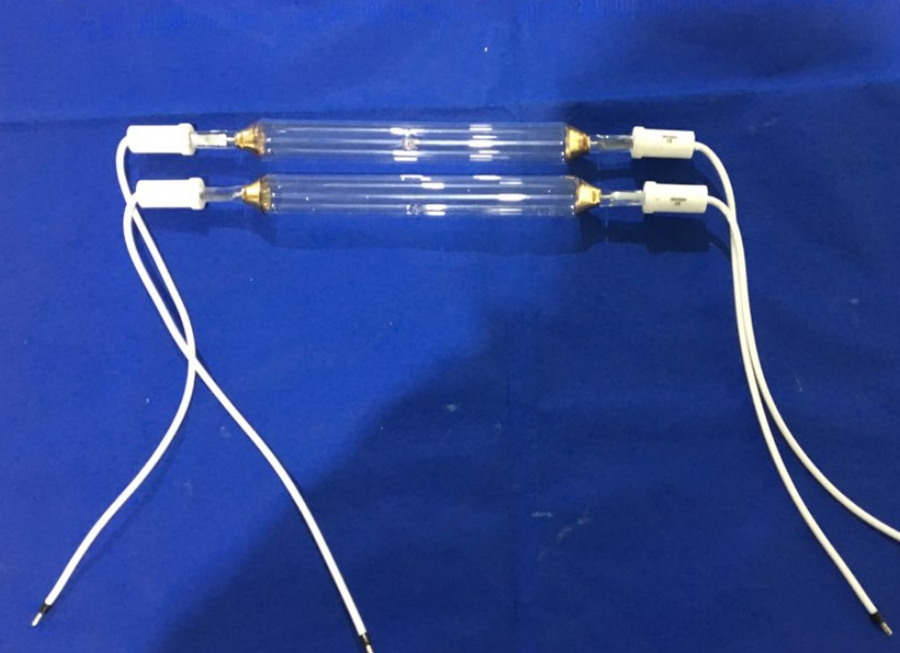
Let’s Talk About UV Lamps (And Why Most Get It Wrong)
Most people treat UV lamps like a light switch—you flip it on, it glows, and you assume it’s working. But if you’re running an industrial line, that’s a risky way to think. We look at these things as precision tools. It’s not about “turning on a light”; it’s about exactly how many photons are hitting every square centimeter of your product. We’ve spent a lot of time figuring out how to get more UVC punch without the massive power draw that usually ends up baking your hardware.
Cutting the Waste
Here’s the thing: a lot of traditional lamps waste a ton of energy as infrared heat. It’s basically a heater that happens to kill germs. We fixed that by tweaking the gas mix and the way the electrodes are shaped. The result? You get way more of that 254nm germicidal wavelength and a lot less wasted heat. When you drop these into a conveyor system, your electrical panels aren’t sweating under the load. It just runs cooler.
The Nitty-Gritty of the Build
We use high-purity fused quartz for the glass. Why? Because cheaper glass clouds over or “solarizes” after a few hundred hours, and suddenly your sterilization is a guessing game. These are designed to slide right into your existing fixtures, but we’ve changed what’s happening inside. We tightened the tolerances on the pins so they actually stay put. If you’ve ever dealt with arc-over issues on a humid factory floor, you know exactly why that matters. It just works.
The Honest Truth About Trade-offs
I’ll be straight with you: high-output UV-C is aggressive. While these lamps save you money on power, that intensity can chew through certain plastics and gaskets over time. If you’re using standard rubber, it’s going to crack. Period. If you’re running 24/7, do yourself a favor and switch to Viton or PTFE. Plus, if you’ve got a smart factory setup, you can track your lamp hours through your PLC. Instead of just guessing when a bulb is dead or replacing them on a rigid schedule, you can swap them based on actual lumen decay. It keeps your sterilization levels steady and stops you from throwing away perfectly good bulbs.