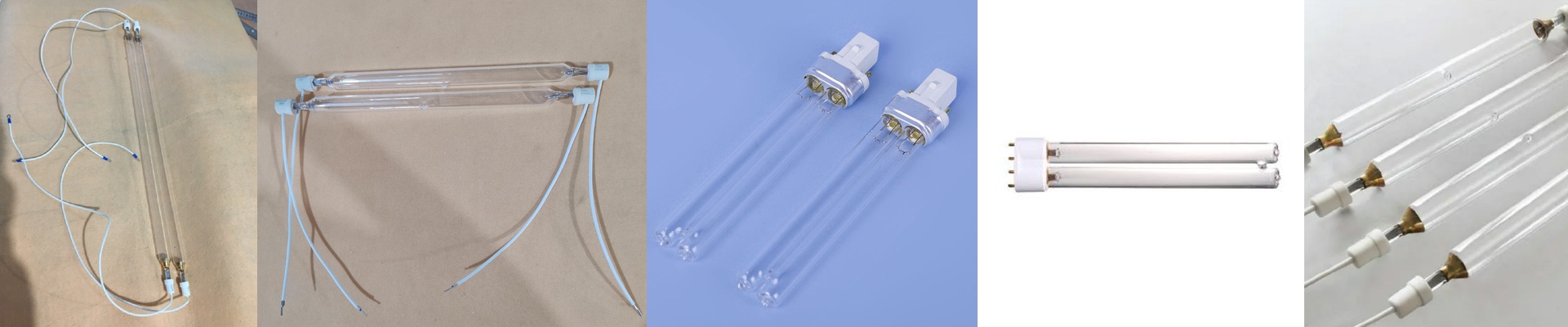
Making Industrial UV Bulbs That Actually Last
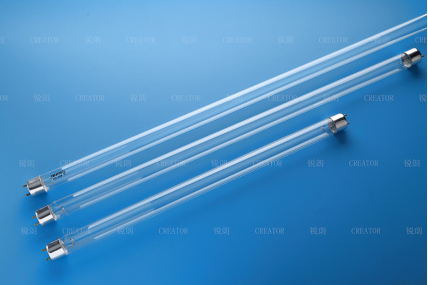
Let’s be honest: nobody likes swapping out UV bulbs. It’s a chore, it’s downtime, and it’s a waste of money. Most industrial mercury lamps are treated like disposable parts—you run them hard, they burn out, and you toss them. We’re trying to change that. We want to move toward a world where your production doesn’t leave a trail of pollution behind. To do that, we stopped looking at the surface and started obsessing over the materials and the heat. Why bulbs usually die Usually, it’s a simple story. Either the electrodes give up or the gas leaks out. Then there’s “solarization”—that annoying process where the glass turns brown and starts blocking the UV light. We fight this by using high-purity fused quartz and dialing in the mercury vapor pressure. It keeps the arc stable. The result? Your lamp doesn’t just crash in output. It stays strong for much longer, so you aren’t constantly guessing when the curing intensity is about to dip. The balancing act Going “green” isn’t just a buzzword for us. We’ve ditched the lead-based solders and switched to packaging you can actually recycle. But here is the tricky part: the seal. We make the seal incredibly tight to keep the mercury inside. That’s great for the planet, but it puts more pressure on the glass when things heat up. If your housing is too tight and doesn’t give the quartz room to breathe and expand, the bulb will crack. It’s a delicate balance. Getting it right on the floor The good news is these are drop-in replacements. They fit right into your existing UV arrays without a fuss. We’ve also stabilized the wattage, because the last thing you need is a power spike frying your ballasts. One quick tip:check your fans. These high-output lamps throw off a massive amount of IR heat. If your airflow is sluggish, the bulb is going to overheat. It doesn’t matter how high-quality the glass is—if it’s baking in its own heat, it’ll die early. Get your heat sinking right, and you’ll actually hit those rated hours.