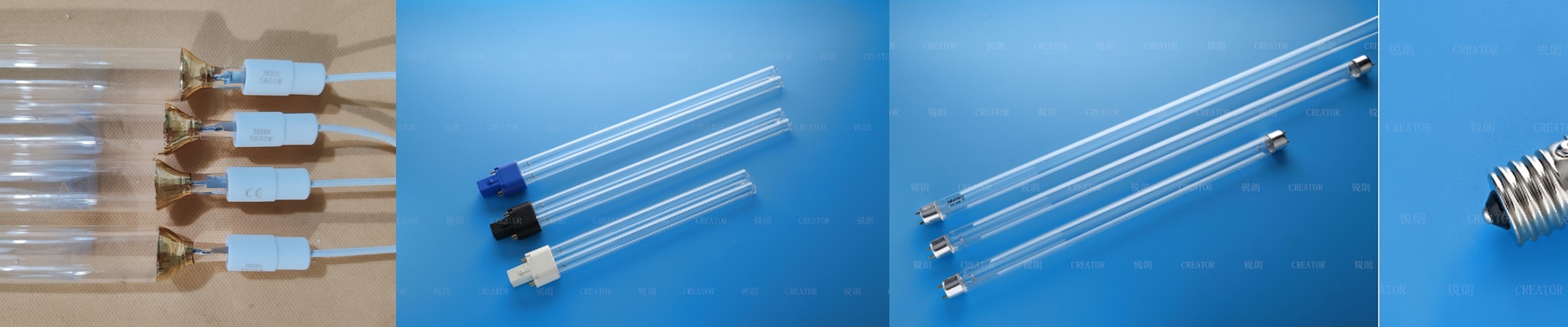
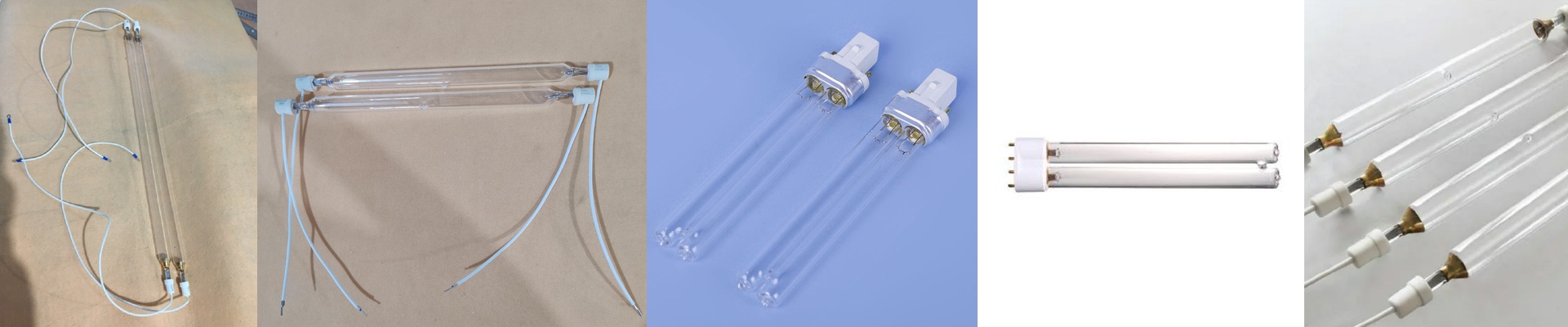
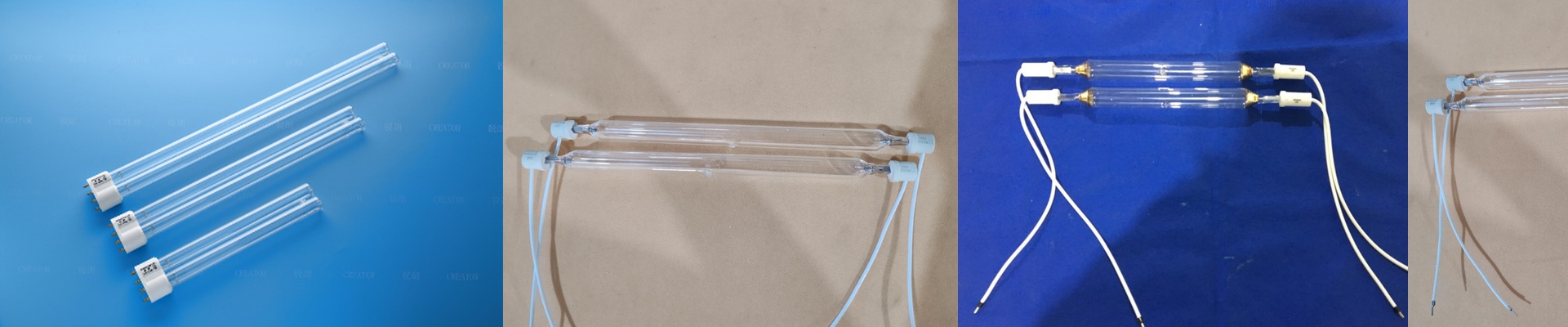
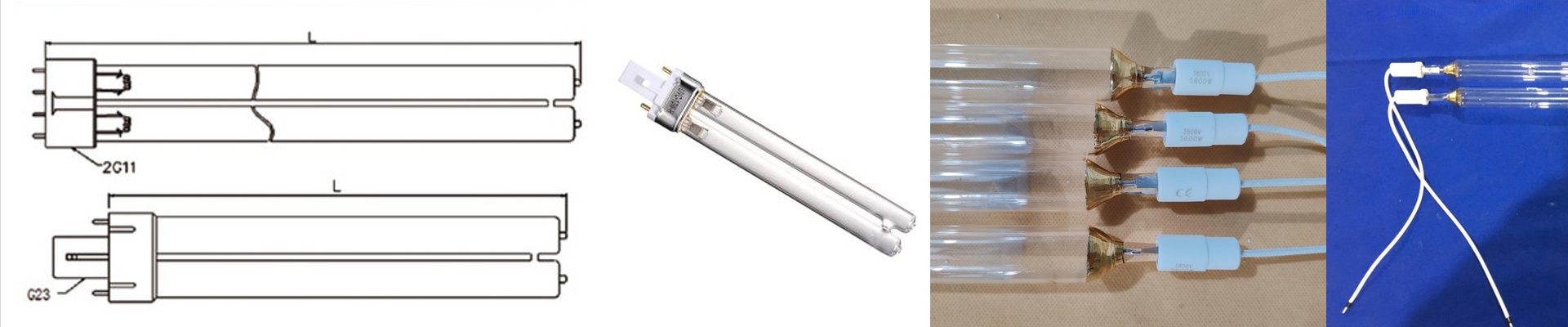

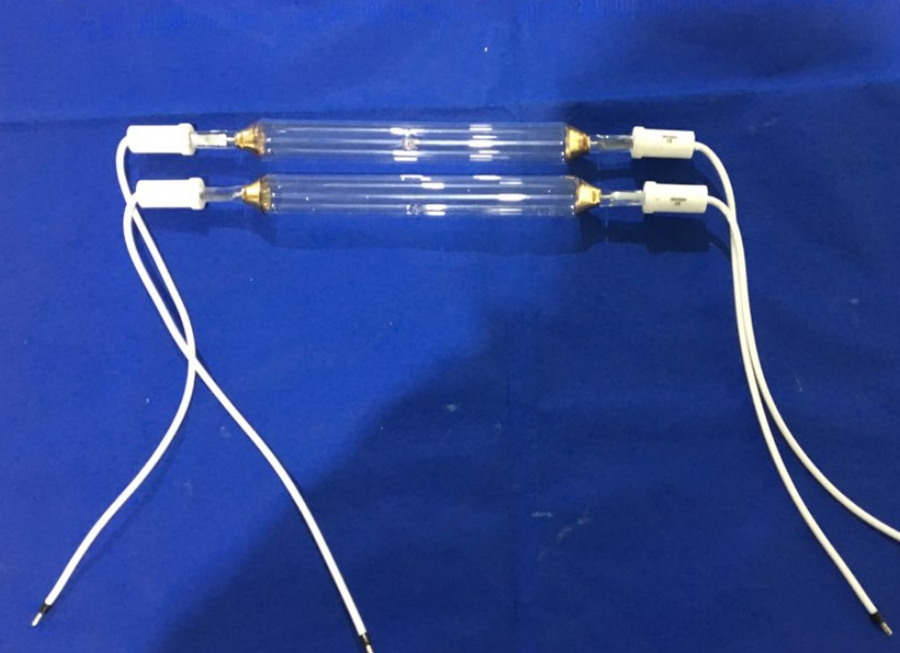
On the press line, profit or scrap often comes down to one thing: how steady the lamp stays at 365nm. Run UV offset, flexo, or screen with a thick white underprint, and undercuring shows up fast—tack, dot gain, rejects. Overcuring just throws away energy and burns through lamp life. We build our high-pressure mercury UV lamps with foundry-level discipline, so spectral output stays consistent from batch to batch. That gives you a wider process window without the guesswork. What actually matters is the energy density delivered right where the photoinitiator absorbs. Our lamps hold a stable 365nm peak, with a full-width half-maximum matched to standard initiator packages. You get repeatable cure at 800–1200 mJ/cm² on typical films. Peak irradiance at the substrate hits 8–12 W/cm², which is why you can hold line speeds up to 600 m/min on narrow-web presses. Rated at 2000–3000 hours end-of-life, output drops less than 8% over the first 1000 hours. The quartz envelope and dichroic-coated reflectors keep focal efficiency tight, so lamp-to-substrate distance stays repeatable without retuning the cure profile. Here’s the practical payoff: OEM-level performance without the OEM price tag. You get repeatable cross-linking, tighter color density, and fewer stoppages for lamp warm-up or power trimming. Energy draw is matched to the cure job, not maxed out, so you cut kWh without sacrificing cure. Add long lamp life and standardized mounting, and your cost per cured meter goes down. A few shop-floor basics. Match lamp voltage to your ballast. Confirm reflector geometry. And keep the quartz clean—dust on the envelope drops irradiance faster than any spec sheet makes it sound. Also, don’t skip ozone management. Our ozone-free configurations work in confined curing zones, but airflow and ducting still need to be engineered to keep quartz temperature stable.