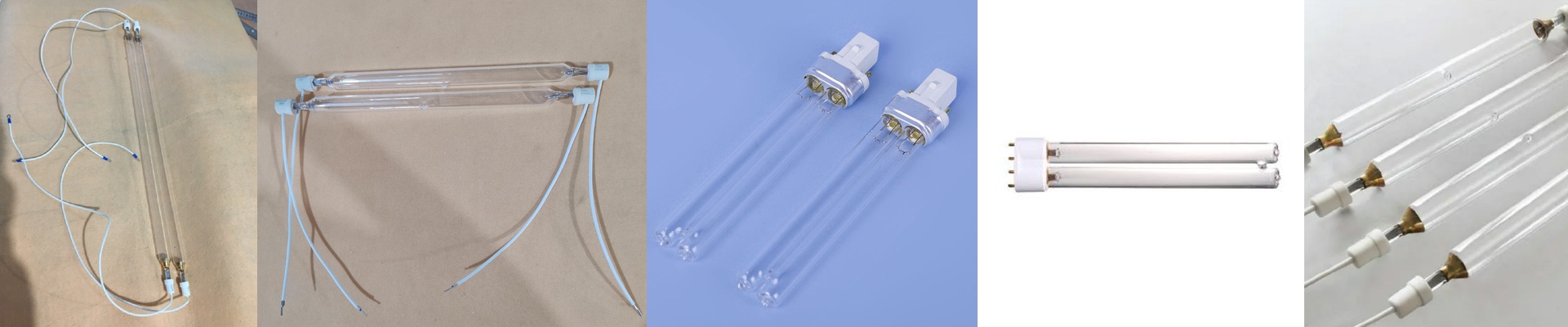
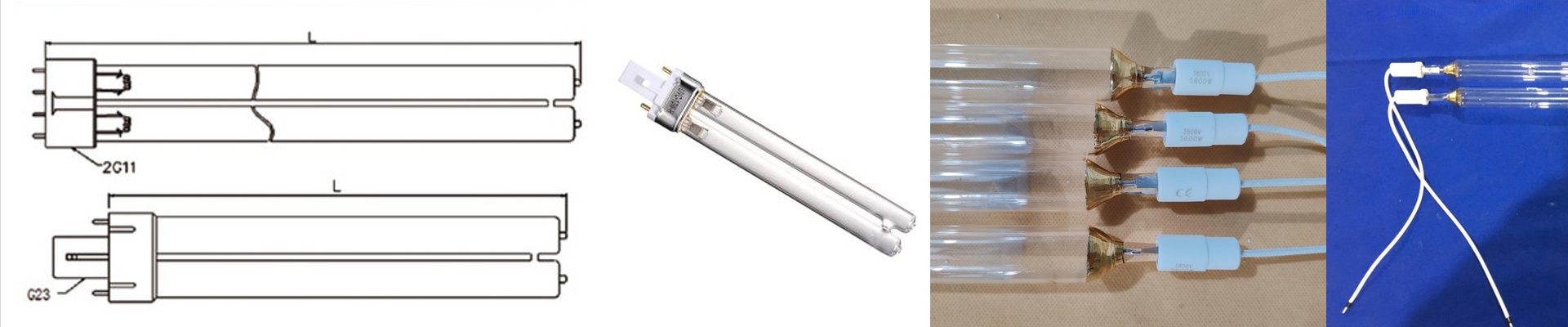

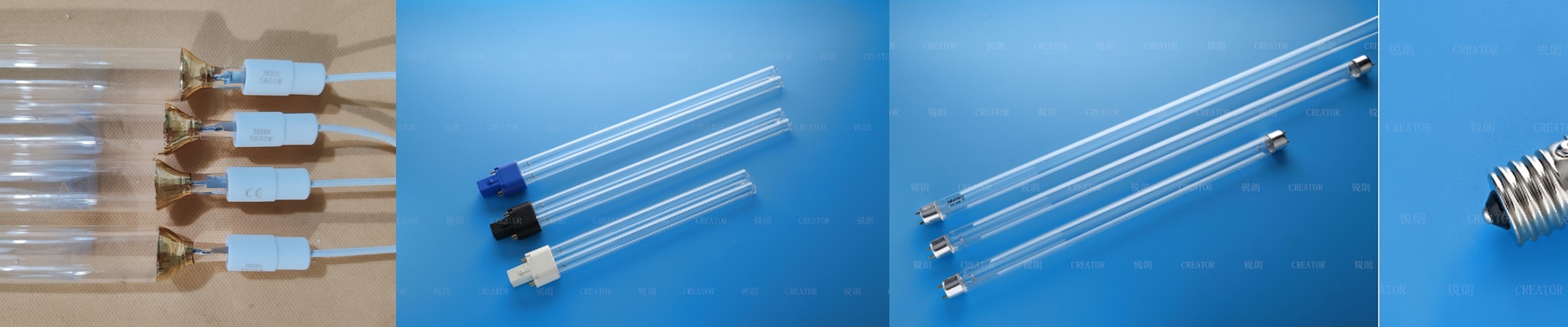
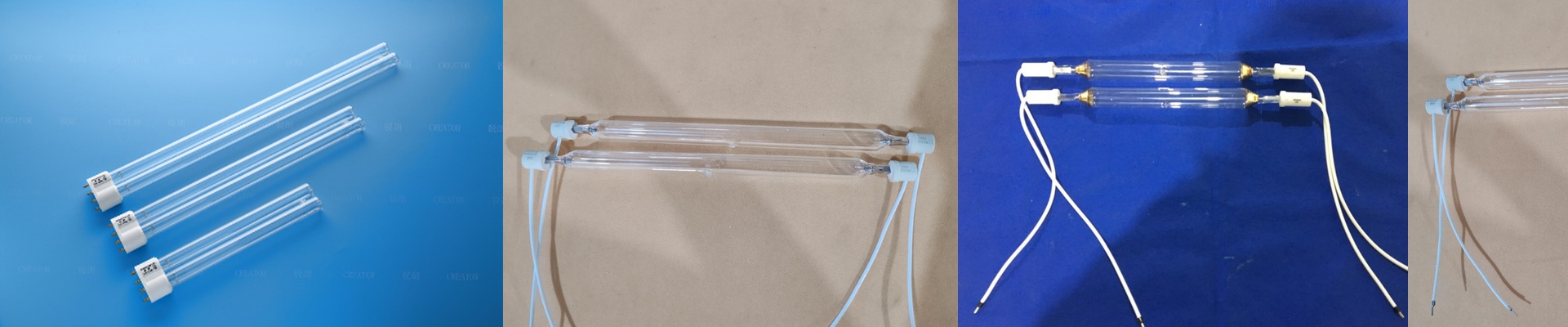
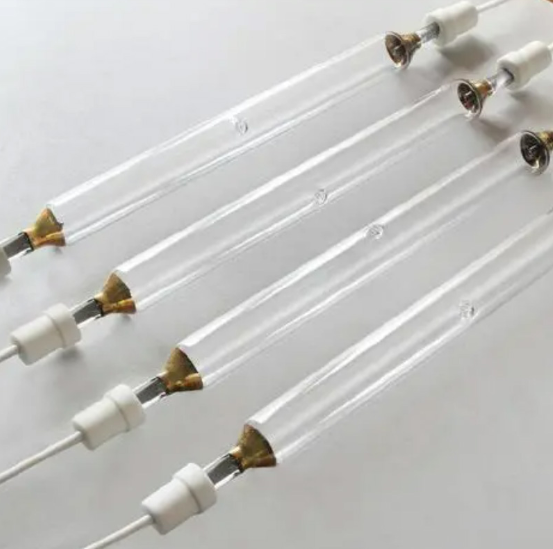
On the press floor, a 5% voltage dip mid-run doesn’t just make the lamp flicker. It flattens peak irradiance and nudges the spectral output that’s doing the heavy lifting for photoinitiator cross-linking. You know what that means: uncured ink, adhesion failure, and a pile of scrap. We built the circuit compensation to keep the arc steady when the grid isn’t. What matters under the hood Our compensation keeps lamp power within ±1.5% even when the input swings ±15%. The control loop holds arc temperature and gas pressure, so the mercury vapor emission profile stays consistent—365nm peak and the broadband output stay repeatable. That keeps dose predictable: irradiance at the substrate stays in tolerance, and mJ/cm² stacks up the same sheet after sheet. Why this matters on real presses In high-speed UV offset, flexo, and screen lines, cure quality comes down to energy density delivered in milliseconds. This system stops the spectral drift that leaves the surface tacky while the bottom layer stays undercured. You get fewer rejects, less washup, and print-to-cure timing that stays honest—even when compressors cycle and line voltage jumps around. A few shop-floor notes The compensation module needs a dedicated, clean power feed and proper grounding. Noise coupling will bite you otherwise. Expect a touch more heat in the cabinet from the regulator stage—plan ventilation and clearance. It plays nice with standard high-pressure mercury lamps and reflector assemblies, but it won’t paper over a mismatch in lamp power rating or a reflector that’s past its prime.