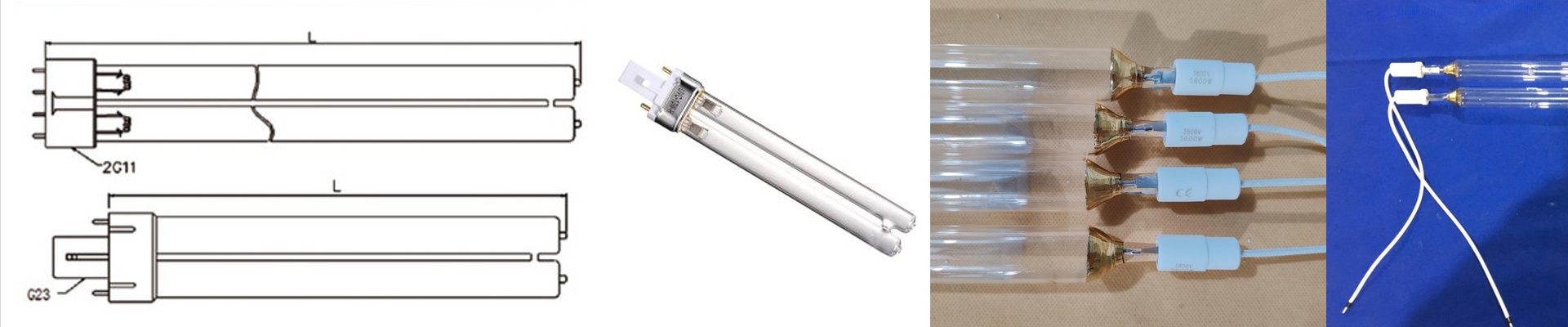
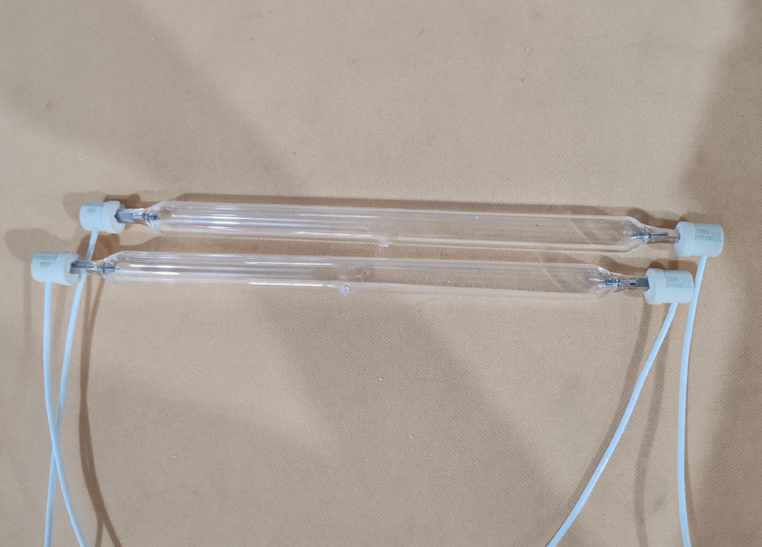
On a label press pushing 200 m/min, a 10% drop in UV output is enough to turn tight halftones into mush and send color drifting. That’s what incomplete cure looks like in the real world—photoinitiators left unreacted, pigments not anchored, solvents trapped in the film. We built this UV lamp for flexo to cut that variability out.
What actually matters under the hood
We focus on repeatable spectral output and repeatable energy delivery. With a high-pressure mercury vapor lamp, it comes down to a stable arc and a reflector system that keeps peak irradiance within tight tolerance across the full web. You get a stable 365 nm/385 nm profile matched to the photoinitiator windows in common flexo UV inks, so cure isn’t just skin-deep. Instant start, with energy density and dwell time tuned to drive full cross-linking even on thicker films. Consistency beats headline numbers. It’s what keeps the first label on the roll from curing differently than the last.
Why this plays in label flexo
Label flexo runs fine text, reverses, and solids all in one pass. When the cure isn’t stable, you see dot gain, feathering, and that annoying halo around reversed elements. This lamp stabilizes curing energy across the full repeat length, so every dot locks the same way. The payoff is crisp edges, stable density, and fewer rejects. Uptime improves, too. Instant on/off means no warm-up wait, and consistent output reduces the urge to slow the press just to “make cure.” Energy use drops because the system cures on demand instead of over-running.
The practical details you can’t skip
Matching lamp output to your ink chemistry and substrate isn’t optional. Some formulations lean on shorter wavelengths; others cure better at longer wavelengths. Thin films need less intensity than thick films. Expect a clear installation spec: arc length, reflector geometry, and power interface have to line up with your dryer bay. And plan for lamp aging—output declines over time. Schedule periodic radiometer checks and keep a replacement strategy. That’s how you keep output within spec and keep the press running at speed.