
Why “Standard” UV Lamps Usually Fail
We spent some time visiting about 3,000 printing plants. A lot. And we noticed a pattern: most off-the-shelf UV lamps just aren’t built for the real world. They don’t account for how hot a press actually gets or how fast a modern line really moves. So, we stopped thinking about “standard wattage.” Instead, we started obsessing over energy density per square inch.
Getting the power right
Here’s the thing: it doesn’t matter how much total power your lamp has if that energy isn’t actually hitting the ink. We spend our time tweaking lamp length and voltage to make sure the UV output is steady across the whole web. If you’re running a high-speed line, you obviously need more punch to keep the cure rate up. But there’s a catch. If you jam too much power into a short tube, things get hot. Fast. If your cooling blowers can’t handle that heat, you’re going to warp your materials or burn out your lamp way sooner than you should.
The nitty-gritty hardware
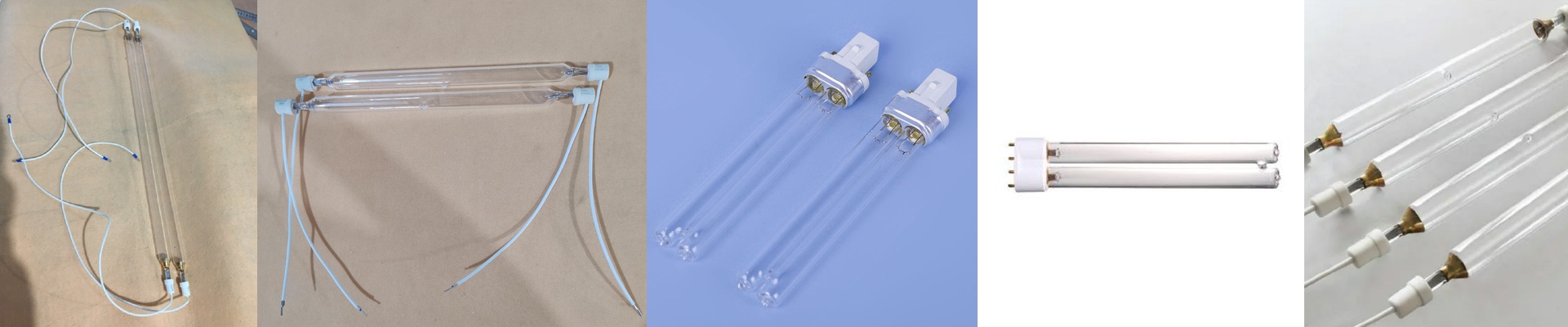
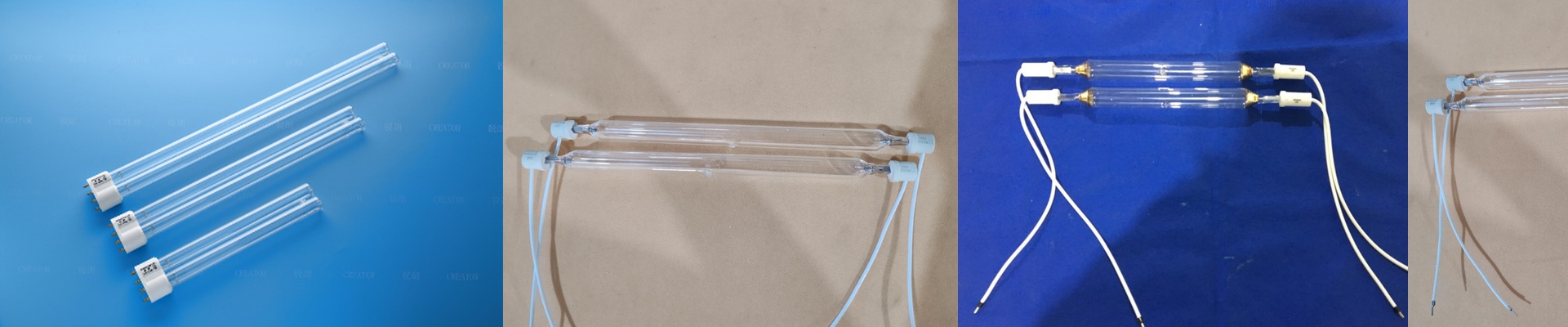
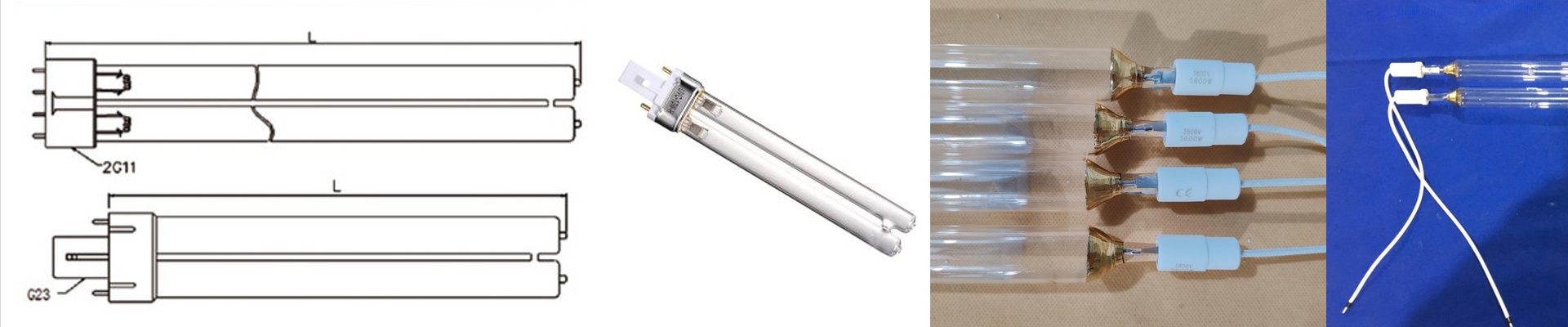
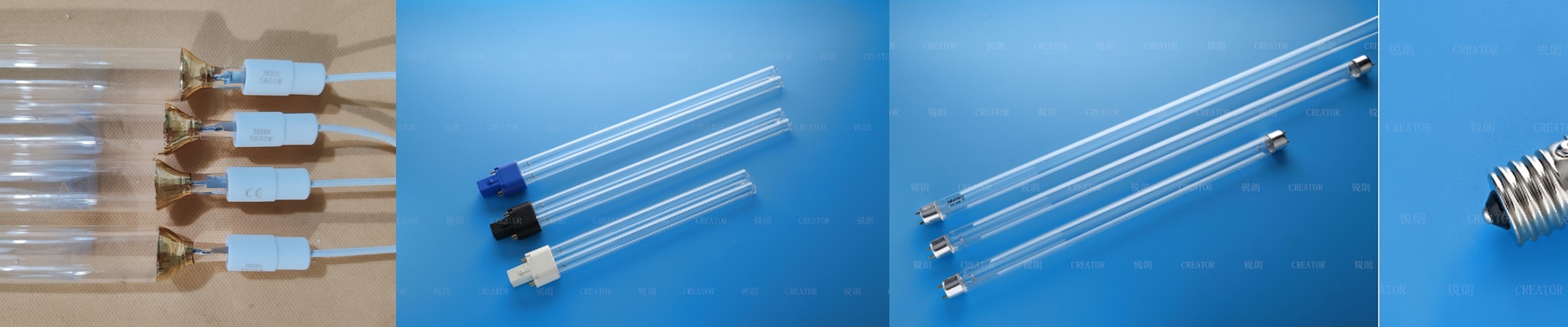
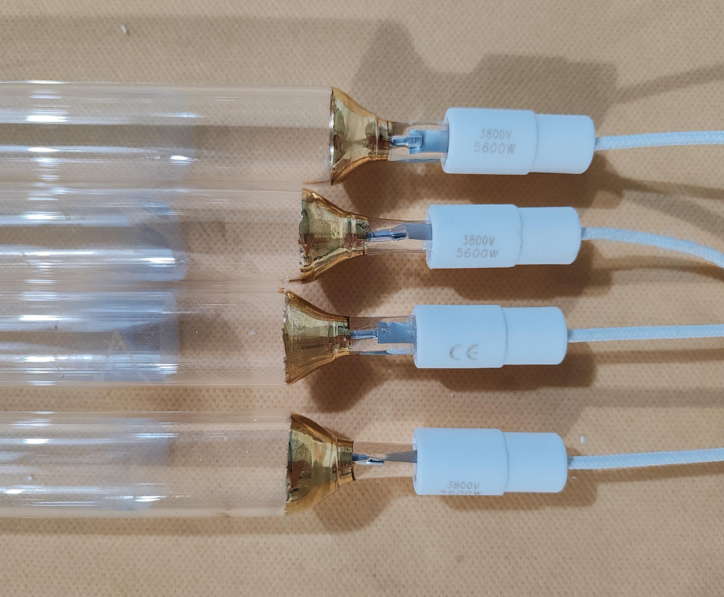
We use specific quartz glass because it lets the UV through while blocking the heat you don’t want. And then there are the connectors. We stick to industry-standard pins that won’t spark or arc when the voltage climbs. We’ve seen way too many “budget” lamps die because the connectors couldn’t handle the heat during a 24-hour marathon run. Our gear is built to stay snug and secure, even when a heavy-duty press is shaking the whole floor.
Making it work in your shop
Nobody wants to rewire their entire ballast system just to get a better cure. That’s a nightmare. That’s why we build our lamps to fit right into the footprint you already have. It’s a drop-in replacement. Plus, we start with your ink. Some inks need shortwave UV to get that hard surface finish; others need a broader spectrum to cure deep inside. We tune the lamp chemistry to match your ink, because trying to do it the other way around is just a waste of time.