
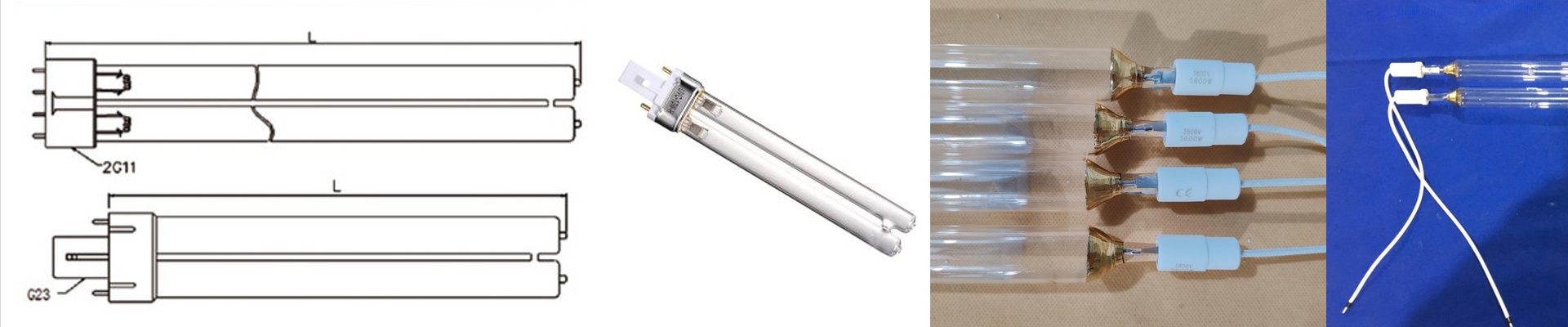
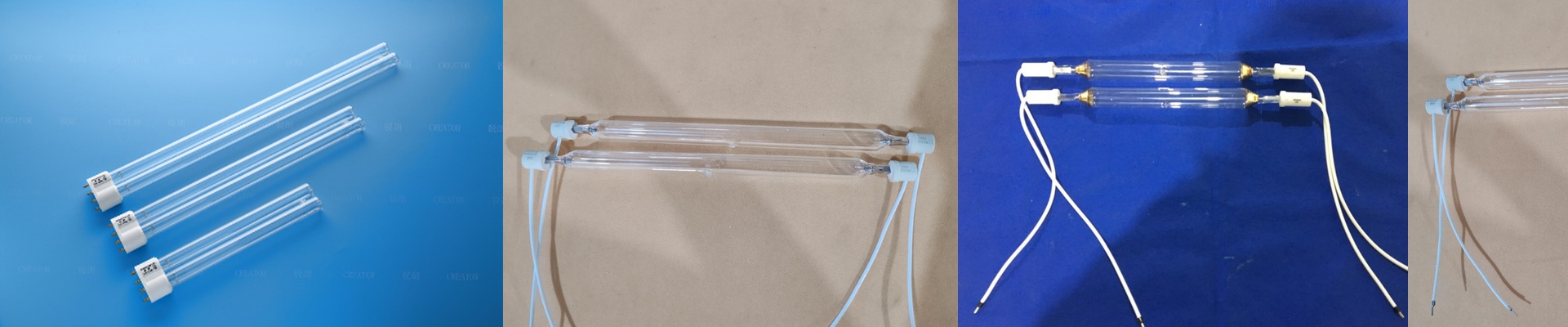
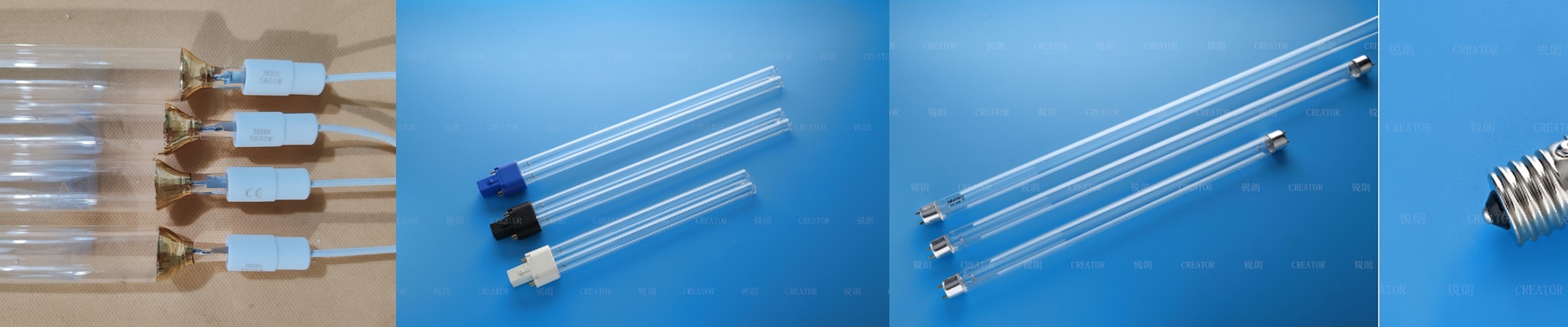
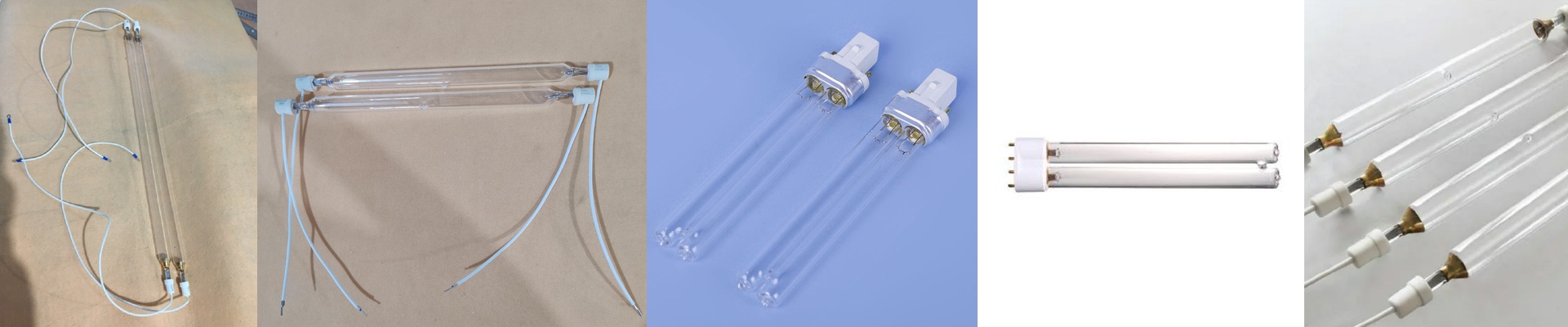
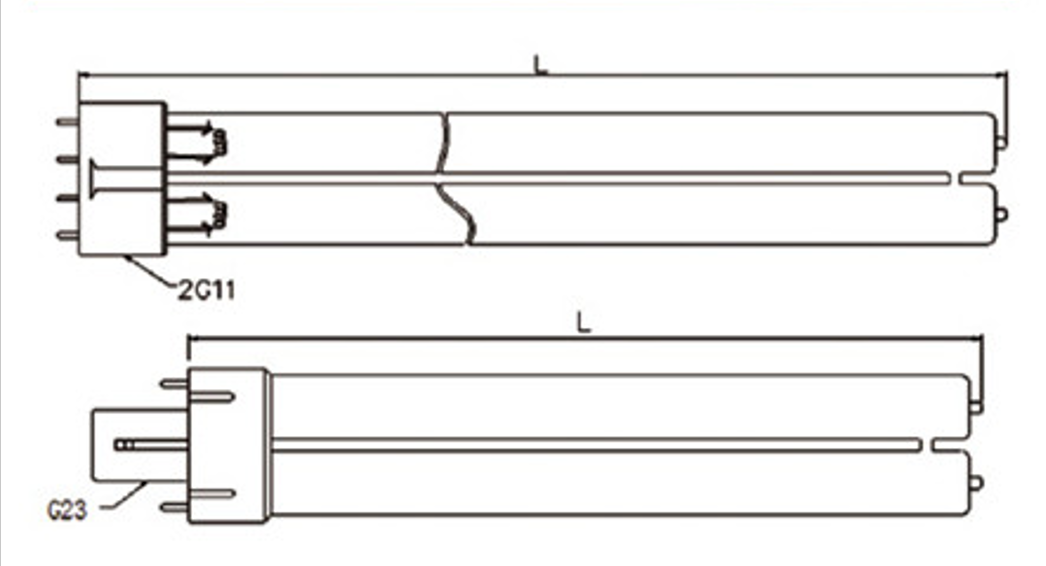
Step into a cold-storage room or onto a reefer line, and you quickly learn the rules. Temperature isn’t a setting you adjust—it’s the baseline the whole line runs on. When ambient drops to -20°C, many UVC germicidal lamps don’t behave like their datasheets claim. Arc stability goes sideways, warm-up drift gets sloppy, and output turns spotty. In cold-chain, that inconsistency isn’t a nuisance—it’s a direct hit to sanitation schedules, throughput, and compliance. You need a UVC lamp that starts, runs, and measures true at low temperatures, without dumping ozone into occupied or semi-occupied spaces. That means designing around the physics of low-temperature discharge, material brittleness, and thermal management—then proving it where the work actually happens.
Output, stability, and predictable cost—what actually matters
Ozone-free UVC germicidal performance comes down to wavelength discipline. We lean on low-pressure mercury vapor discharge, tuned to the 253.7 nm line, with a fused quartz envelope and a dichroic coating that blocks the 185 nm line. Block 185 nm, and you avoid most molecular oxygen dissociation. You get effective germicidal irradiation without creating ozone. In the cold, the lamp’s internal plasma impedance shifts with temperature. If the lamp and ballast aren’t matched to that load, you’ll see:
- Longer ignition times
- Flicker and arc wander
- UVC output that sags in the critical first minutes We tackle this with cold-start electrode geometry and a ballast profile that settles the arc in seconds, not minutes. The payoff is warm-up behavior you can plan around, whether you’re sanitizing a -20°C freezer or a refrigerated truck body. Key performance metrics to ask for—and verify with a calibrated radiometer:
- UVC output stability at cold temperature: Check irradiance at the target surface after 3–5 minutes at -20°C. Aim for low drift compared to the 20°C baseline.
- Warm-up time: Time to hit 90% of rated output under the same cold soak condition.
- Lamp life and lumen maintenance: Define end-of-life as the point UVC output drops below 80% of initial. Track it as a curve, not a promise.
- Ballast compatibility and stress: Confirm ballast temperature, current ripple, and voltage margins at low ambient. Across a full cold-chain installation, those numbers turn into predictable dwell times for microbial reduction, fewer schedule interruptions, and maintenance windows that don’t force you to run after hours.
Cold-chain sanitation—built for the reality on the floor
Cold-chain is a rough place for UVC systems. Freezers and refrigerated logistics mix low ambient temperatures, high humidity during defrost cycles, and vibration from equipment and transport. Conventional germicidal lamps can survive there, but they don’t always perform consistently. We design for the -20°C reality. The envelope material stays dimensionally stable, internal supports handle thermal shock, and electrodes hold steady emission after repeated cold starts. The ballast is rated for cold operation and housed to manage condensation and icing without overheating the lamp junction. In practice, that gives you:
- Dose planning you can trust: When your process relies on a target irradiance for log reduction, you can set the same dwell time in winter and summer.
- Fewer surprise stops: Start-up is repeatable after cold soak, so sanitation cycles don’t back up the line.
- Less maintenance: Longer stable life means fewer lamp swaps, and ozone-free operation cuts ventilation requirements and material compatibility headaches. The lamp is also built to fit the job. Fixtures can be configured for surface, overhead, or conveyor-integrated sanitation, and the system can align with existing cold-storage layouts without redesigning the whole room.
Operating limits and installation—what you can’t ignore
Physics always has a say. Even with a cold-rated lamp, the fixture and airflow have to be right.
- Keep the lamp surface clear: In humid cold environments, ice and condensation can coat the lamp and reflector. That drops effective irradiance at the target faster than lamp drift. Plan defrost logic, shielding, or airflow to keep the lamp and reflector dry.
- Check reflector condition: A reflector that’s oxidized or contaminated can cut effective dose even when lamp output is within spec. Inspect and clean on schedule, and measure output at the target, not just at the lamp.
- Match the ballast to the environment: A ballast not rated for low temperature can current-limit or overheat while trying to hold arc stability. Use ballasts specified for cold ambient, and confirm the thermal path in the fixture.
- Radiometer traceability: UVC output is measured, not guessed. Use a calibrated radiometer traceable to a recognized standard, and document baseline readings at commissioning. One practical reality: at very low temperatures, cold-start performance depends as much on ballast and fixture design as it does on the lamp. You can have a top-quality lamp and still underperform if the ballast is mismatched or the fixture traps moisture. Specify the system as a matched set—lamp, ballast, reflector, and housing—then validate installed performance at -20°C. If your cold-chain operation runs on predictable sanitation cycles, you need UVC output that’s stable, measurable, and ozone-free. The engineering is straightforward: control the wavelength, control the arc, control the thermal environment, and measure the result. That’s how you keep microbial risk out of the workflow without adding operational risk.