
Keeping Your Textiles Clean with UV-C
Think of UV-C lamps as invisible guards standing along your production line. We’re not just talking about a quick surface wipe-down here. We’re talking about building these lights right into the workflow to stop microbes from eating away at your fabric quality or ruining a finished batch of clothes.
How the magic actually works
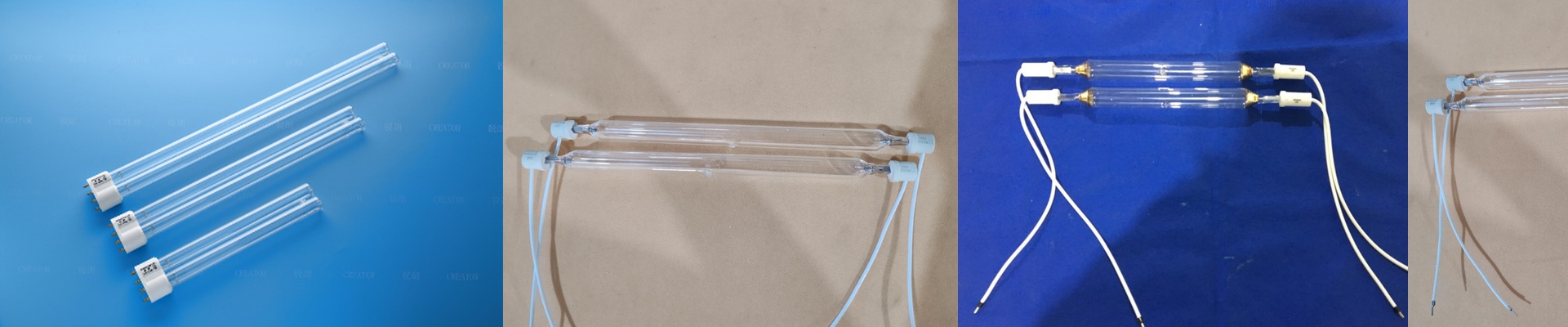
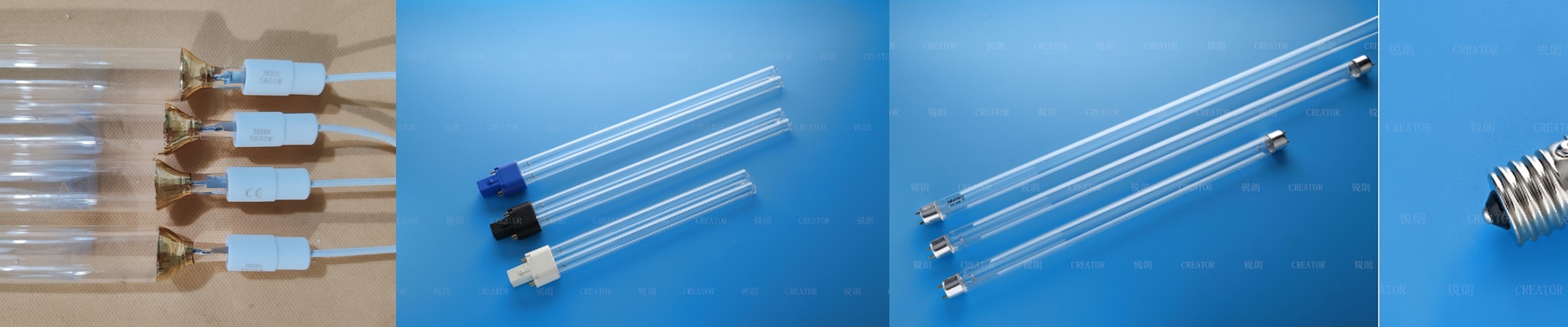
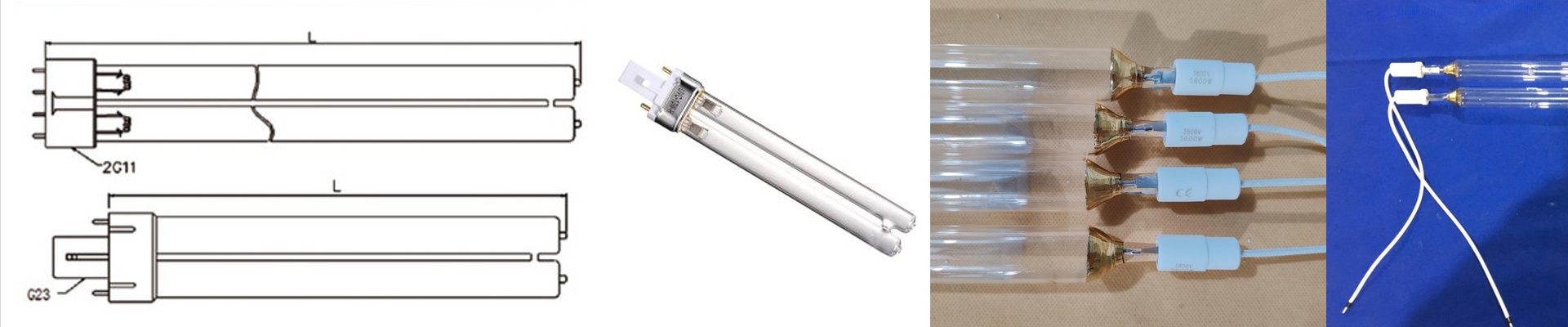
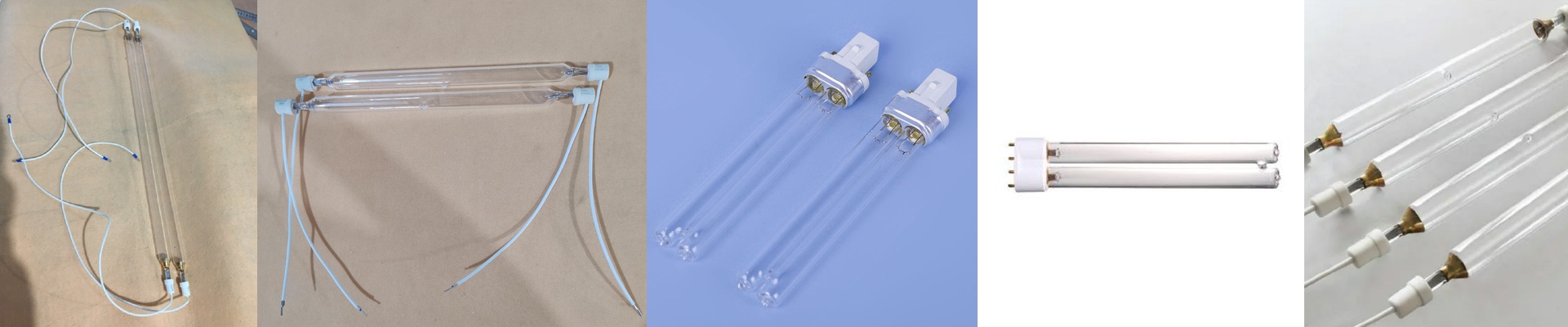
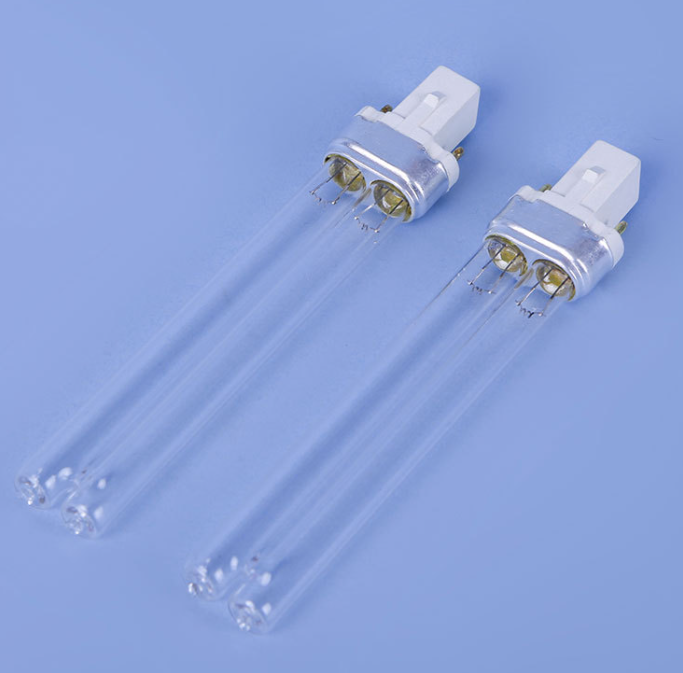
We use bulbs that hit a peak wavelength of 253.7nm. Why that specific number? Because it’s the sweet spot that breaks the DNA of bacteria and viruses, stopping them dead in their tracks so they can’t multiply. In a real mill, you’ll usually see these tucked into conveyor tunnels or air filters. If you’re ordering these in bulk, you’ll likely see T8 or T12 quartz tubes. You can’t just use regular glass—it blocks the UV-C rays. Quartz is the only way to let the light actually do its job.
The tricky parts of the setup
Getting these wired into a high-volume line isn’t just “plug and play.” You have to get the ballast matching right. If your voltage jumps around, you’ll fry the filaments way too early. I always suggest electronic ballasts. They stop that annoying flicker and make the lamps last a lot longer. But here’s the real headache: the “shadow effect.” UV light travels in straight lines. It doesn’t curve. So, if your fabric is bunched up or folded on the belt, the germs hiding in those folds are safe. You’ve got to be smart about where you place the lamps and how intense they are to make sure every inch is covered. Just keep in mind that more lamps mean more heat. You’ll need to make sure your HVAC can handle the extra warmth, otherwise, you risk warping your synthetic fibers. Not a great look.
Where to put them
Usually, these bulbs show up in three spots: First, at the very start. Use them to sterilize your raw looms and spinning frames. Then, during processing—especially with wet fabrics—to keep mildew from moving in while things dry. Finally, give the garments one last pass-through right before they go into shipping crates. And a quick tip: when it’s time for a replacement, don’t guess. Match the wattage and length exactly. If you don’t, you won’t get the right dosage (mW/cm²), and the whole system becomes a waste of electricity.