
The Real Engineering Risk with UV-C Systems
Let’s be clear: these UV germicidal lamps aren’t just light bulbs. They’re industrial tools. They blast out intense shortwave radiation at 254nm, the kind that shreds microbial DNA. But here’s the catch—that same power is a direct hazard to us. The biggest risk? Exposure to the radiation itself. If you don’t have solid shielding and safety interlocks in place, you’re asking for trouble. Operators can get corneal burns (photokeratitis) and serious skin damage in seconds. The physics are brutal: the energy that kills a microbe is the exact same energy that hurts human tissue.
What the Tech Specs Mean on the Floor
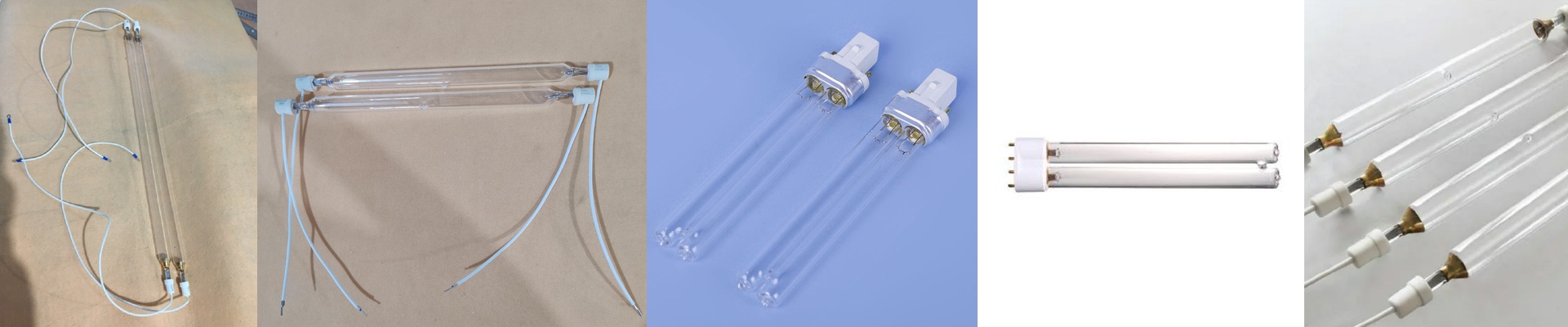
These lamps run on high voltage and precise wattage to keep that plasma arc humming. We design them to pack a lot of power into a small space. That’s where the trade-off hits home. A high-output lamp gives you the disinfection power you need, but it also throws off a ton of heat. So if you wire one in, your cooling system has to be up to the job. It has to handle the extra warmth without breaking a sweat. And be careful. Push a lamp past its rated current, and you’ll shorten the cathode’s life. You’re just asking for it to burn out early.
The Flip Side of the Hardware
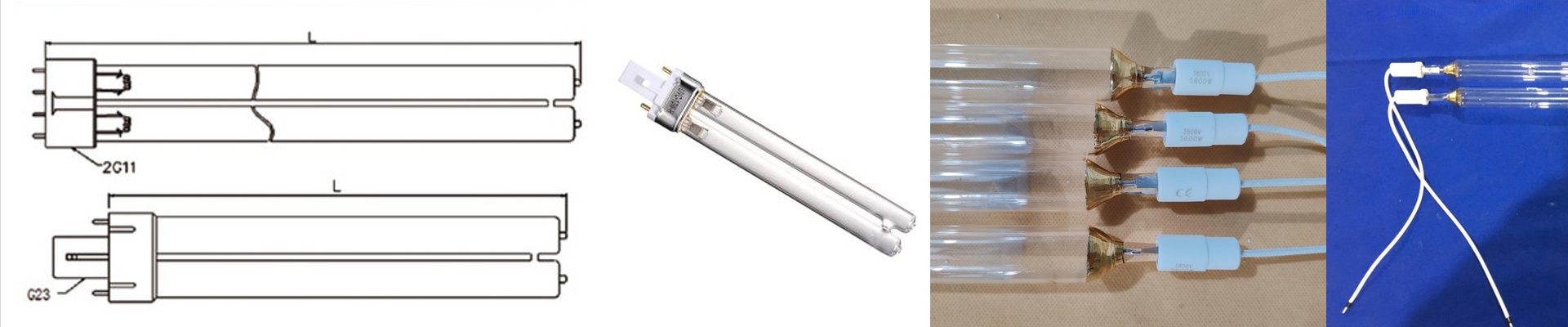
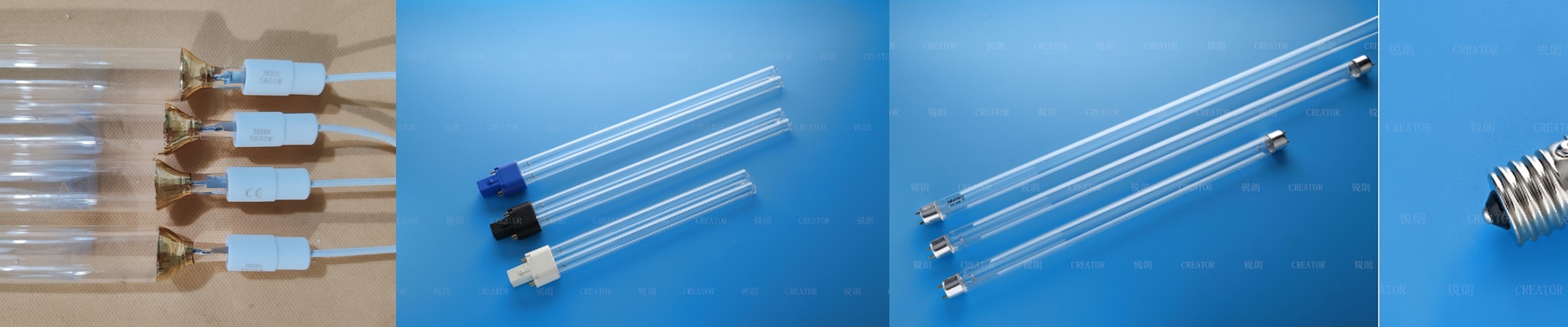
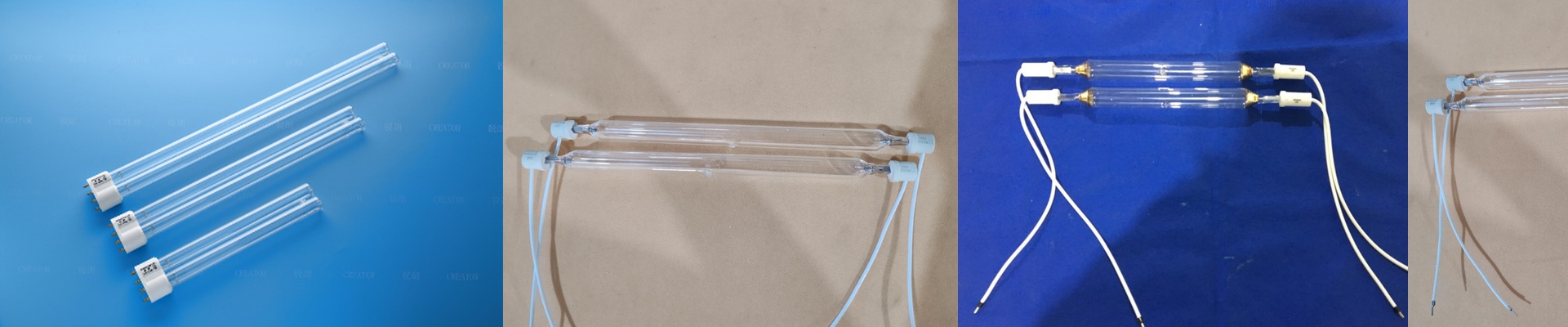
The quartz envelope is great for letting UV through, but it’s not tough. On a busy shop floor, a lamp can get bumped, dropped, or knocked around. A crack can let ozone escape and expose the arc. Then there are the connectors, like the R7s type. They’re built for high heat, but they still need to be aligned perfectly and managed thermally. The coating and build are all about performance, not durability. Handle this hardware with the same respect you’d give a live electrode.
How to Keep Everyone Safe
In industrial settings, these lamps are used to disinfect air and surfaces. The key is containment. Build the lamp into a sealed chamber with positive airflow. Make sure it shuts off automatically the moment a door opens. Treat the UV source like what it is—a high-energy component. Spec out proper shielding, double-check the interlocks, and make sure your team knows the hardware inside and out. The whole point is simple: get the germicidal power you need, without ever putting anyone in the beam.