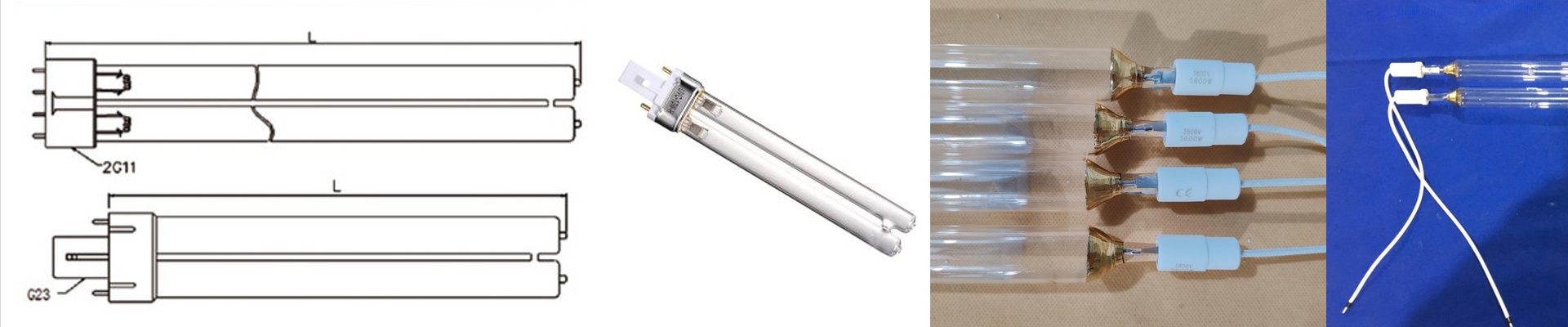
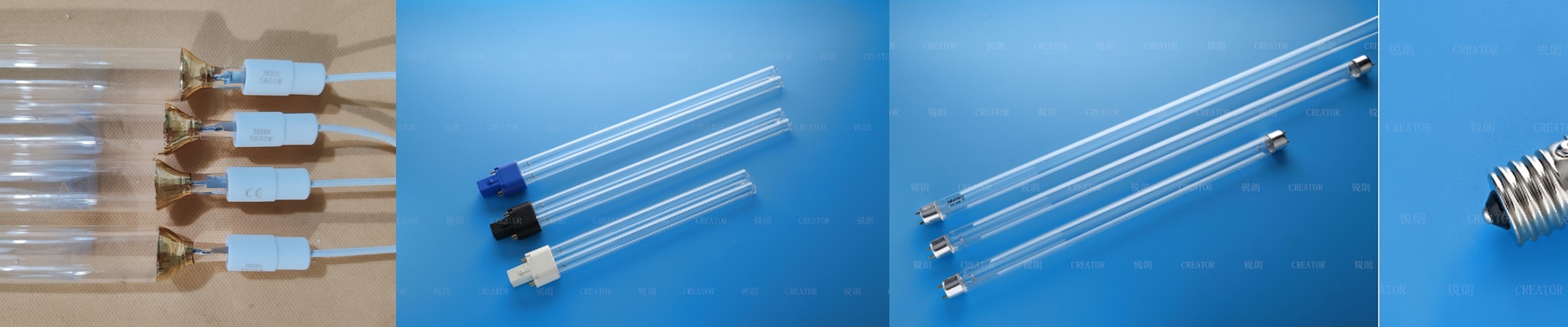
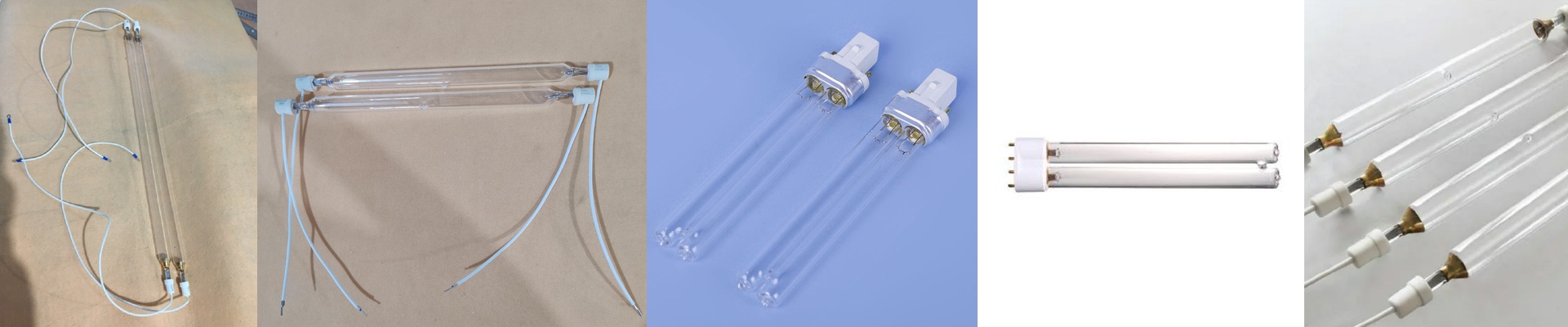
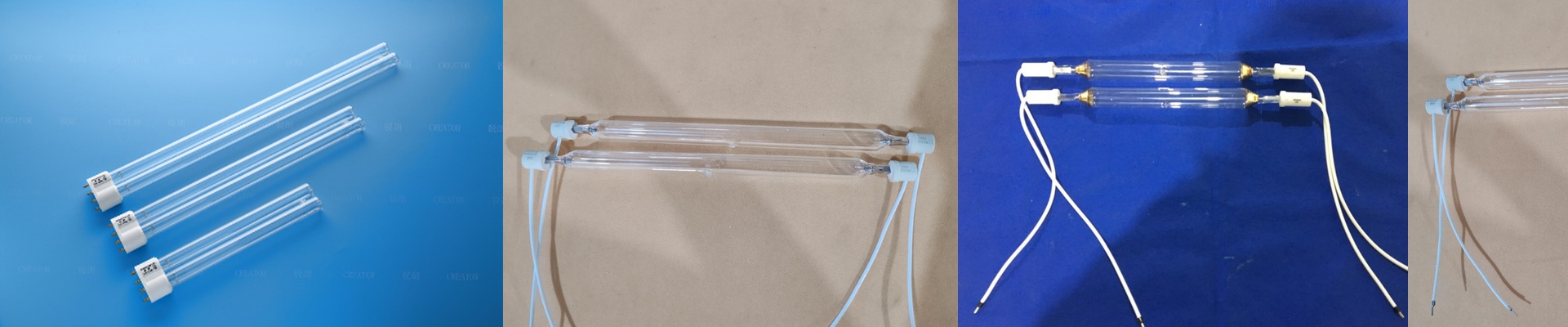

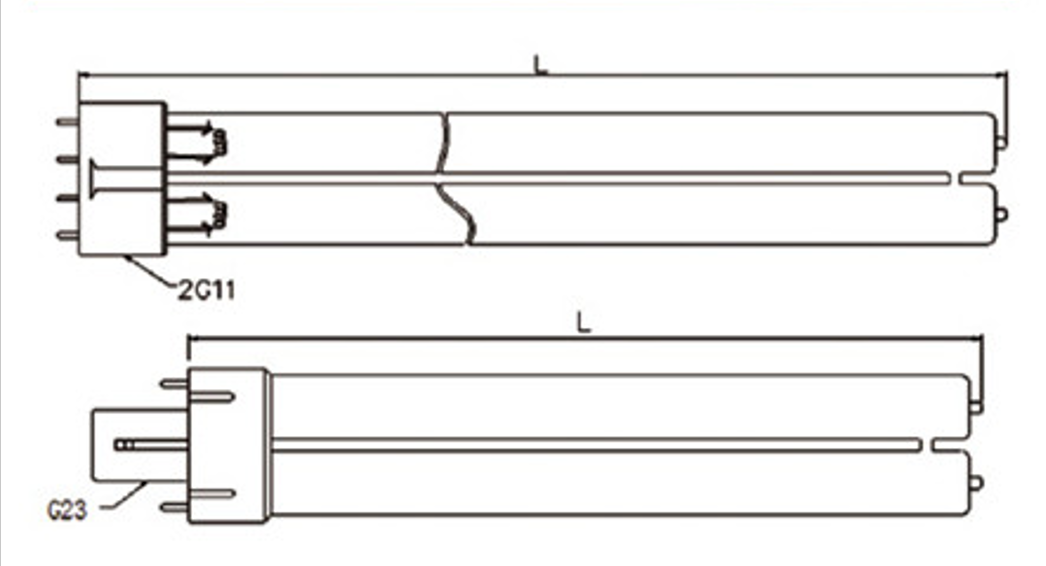
On a food line, microbial slip-ups aren’t theoretical—they’re recalls. Conventional sanitation does the easy work, but it stops cold where shadows start. A high-penetration UVC lamp, built for industrial hygiene, hits pathogens right where chemical rinses can’t reach.
What matters, technically
UVC germicidal performance comes down to wavelength and delivered dose. Low-pressure mercury vapor lamps put out 254nm, which lines up with the DNA absorption peak. That drives pyrimidine dimerization and shuts down replication. If you want 99.9% inactivation across bacteria, bacteriophages, and enveloped viruses, you need a minimum 40 mJ/cm² incident dose at the critical surface. That’s not marketing—it’s irradiance multiplied by exposure time. A well-designed system holds >100 μW/cm² at 1 meter, and much higher at the target plane, thanks to high-reflectivity aluminum reflectors with protected dichroic coatings. Power density, lamp arc length, and optical geometry define the working envelope. Output stability matters just as much. Lamps have to hold spectral output within ±5% over their rated life—typically 8,000–9,000 hours—so your dose math stays valid.
Why it fits food processing
Food plants are crowded with equipment, shadows, and airflow that changes by the hour. Mount UVC in-line over conveyors or inside enclosures, and you get non-contact disinfection on packaging, belts, and contact surfaces—no heat, no residues. You get a repeatable, measurable kill step that fits between runs, shortens sanitation cycles, and cuts water and chemical use. With validated dose mapping, you can document microbial reduction targets and keep compliance documentation solid.
The details you can’t skip
UVC effectiveness is surface-dependent. Dose drops with the square of distance, and films, dust, and organic films block it. Shadowing is still the biggest constraint, so plan geometry and line-of-sight like you mean it. Lamp output falls off with temperature and ozone buildup. Use ozone-free quartz sleeves and make sure airflow or cooling is adequate so you keep the rated irradiance. Protect operators—interlocks and interlocked safety enclosures are mandatory. Keep a routine for cleaning sleeves and reflectors, and verify dose quarterly with a calibrated radiometer.