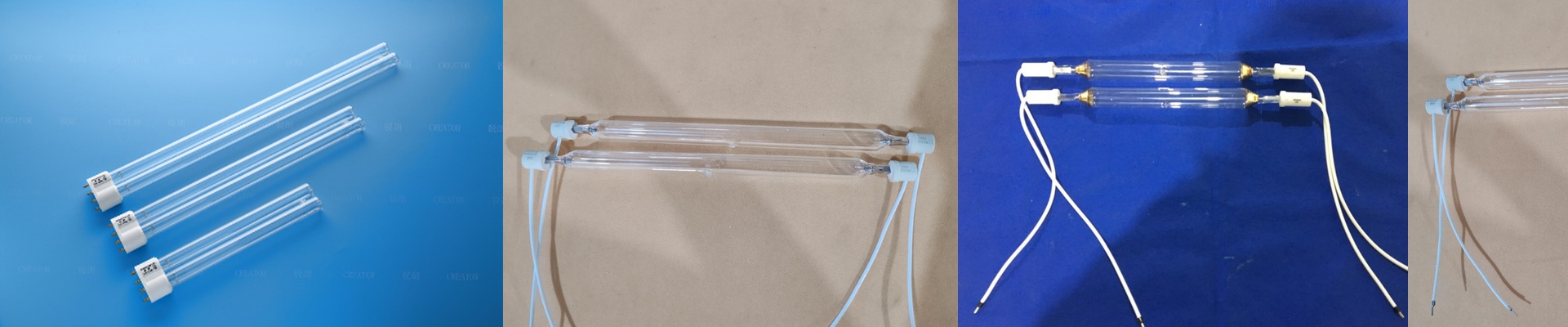

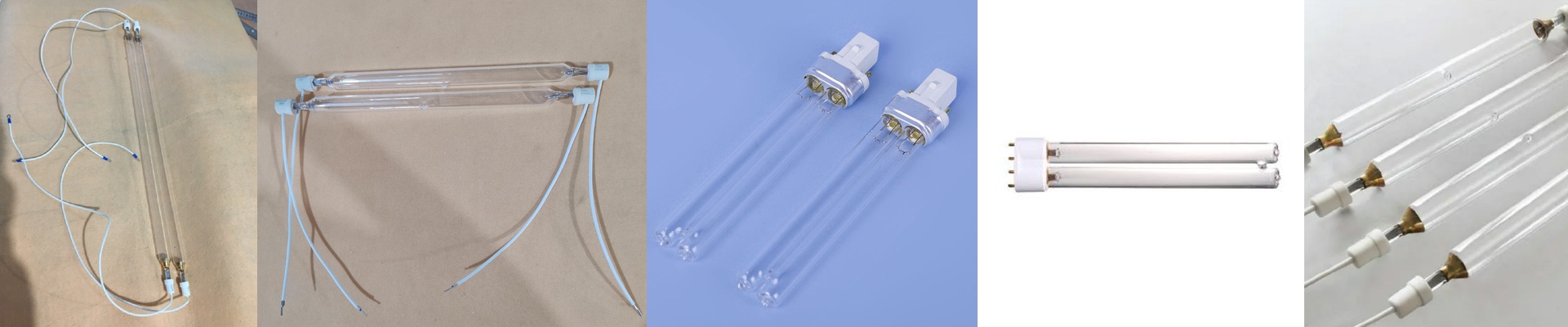
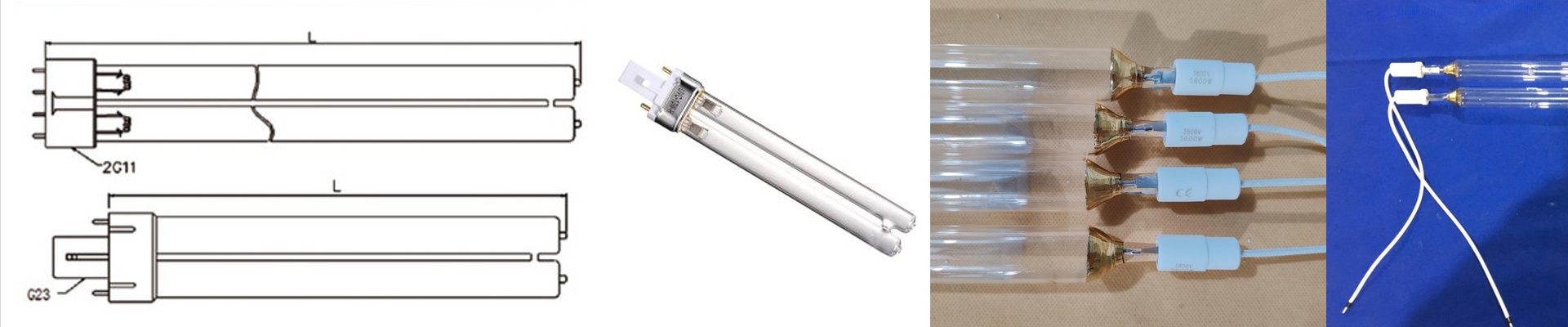
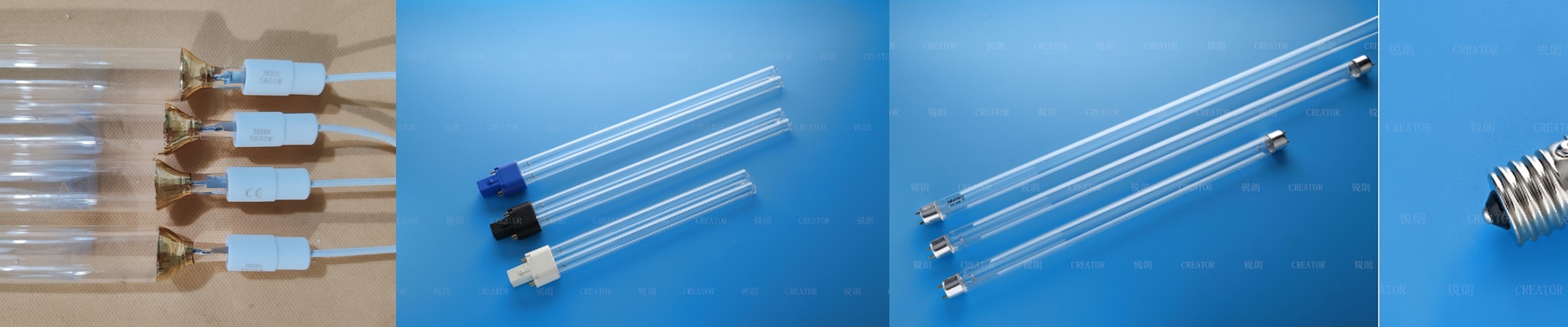
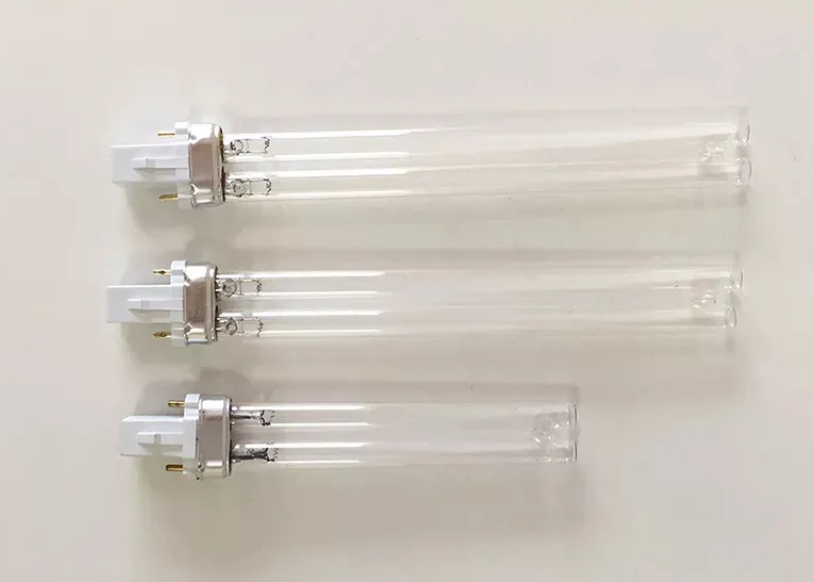
The 2026 print show was packed, but everyone kept circling back to the same spot: right at the press exit, where the curing happens. That’s where our Coralife UV sterilizer lamp module drew a crowd. And it made sense—on the show floor, under show pressure, it delivered what industrial printers actually need: instant cure, on demand, without playing games with ink tack or hoping the ambient conditions cooperate. What’s actually under the hood The module is built around a high-pressure mercury vapor lamp, with spectral output stabilized so the energy lands where it matters. We optimized for strong emission at 365 nm and solid UVA coverage. The reflector uses a dichroic coating to push more forward irradiance and keep wasted heat off the substrate. Peak irradiance is tuned for rapid photoinitiator activation, and the arc length and optical density are matched to ink films and coatings so the energy gets through the surface and cures deep. The payoff: initiation happens immediately, you get through-cure, and cross-linking is complete in one pass—measured as consistent mJ/cm² across the full print width. Why it held up in live runs We ran live demos on UV offset, flexo, and screen lines, and the module cured pigmented inks and clear coatings the moment they came off imaging. Set-off disappeared, and downstream handling could start right away. Job changeovers got shorter because the lamp hits stable output quickly. We also ran thicker layers without surface skinning—energy penetrates without cooking thin films. Power draw stayed predictable, and lamp life held steady. Units have run 5,000+ hours with less than 5% output drop, which means fewer lamp changeouts right in the middle of peak production. The details that matter on the floor You have to match the module to the press—reflector geometry and the shutter interface have to line up. If spacing or airflow is off, you’ll see hot spots and uneven cure. The system is ozone-free, but you still need proper venting and correct lamp housing alignment to keep temperature stable and spectral output consistent. Plan integration around your ink’s photoinitiator window and what your substrate can take thermally. Then set it up, and expect the cure to keep pace with the press.