Getting a Handle on Gallium Iodide UV Systems
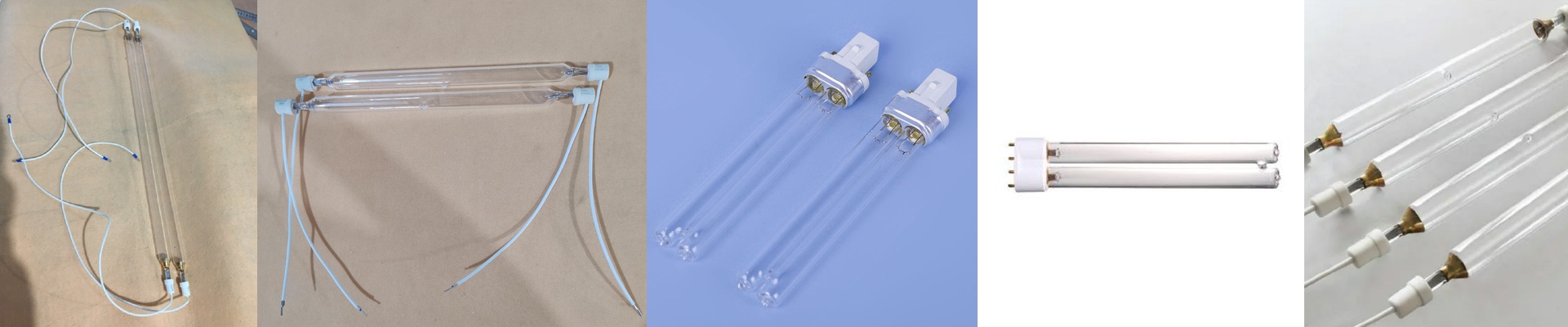
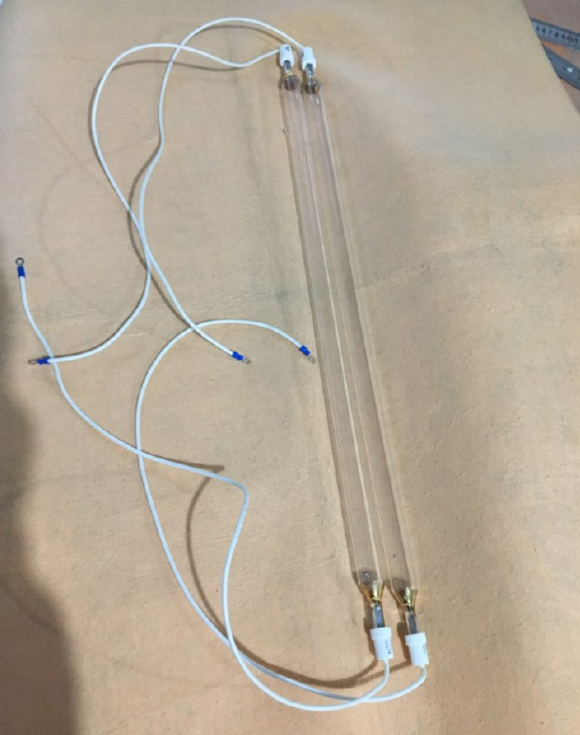
If you’re working with Gallium Iodide (GaI) lamps, you know they’re the go-to for that specific medium-wave UV sweet spot—usually between 254nm and 310nm. We use these when standard mercury vapor lamps just aren’t cutting it. Sometimes you need that extra bit of precision for curing or sterilization, and that’s where GaI shines. Lately, there’s been a push toward “smart” UV hardware. It’s not about making the gear look fancy. It’s about actually knowing what’s happening inside the machine—like how much power you’re pulling and exactly when the lamp starts to fade.
How the light actually works
The magic happens because of the chemical mix used to excite the gallium atoms. It creates a really tight, narrow beam of energy. The best part? You can hit the core of your material without accidentally frying the surface. It’s a delicate balance. We spec these for high-intensity jobs, but there’s a catch:**they hate heat.**If your housing gets too toastie, your light output just tanks.
Stop guessing when to replace your lamps
We’ve started building current-sensing transformers and digital transducers right into the ballast circuitry. These sensors feed everything back to a central PLC. Now, you can see the actual “watt-hour” footprint for every single cycle. No more staring at a calendar and guessing if a lamp is burnt out. You just look at the voltage drop and the luminosity decay. It’s a lot less stressful than hoping for the best.
Making it work on the shop floor
When you swap these smart lamps into an old line, they’ll fit just fine. But keep an eye on your power. You need a rock-solid supply, or you’ll get flickering. And in this business, a flicker can ruin an entire batch of parts in seconds. One more thing:get a cooling loop. Seriously. Without good airflow, the heat will kill your lamp life, no matter how fancy your monitoring software is. The data is great, but at the end of the day, the hardware still has to deal with the laws of physics.