
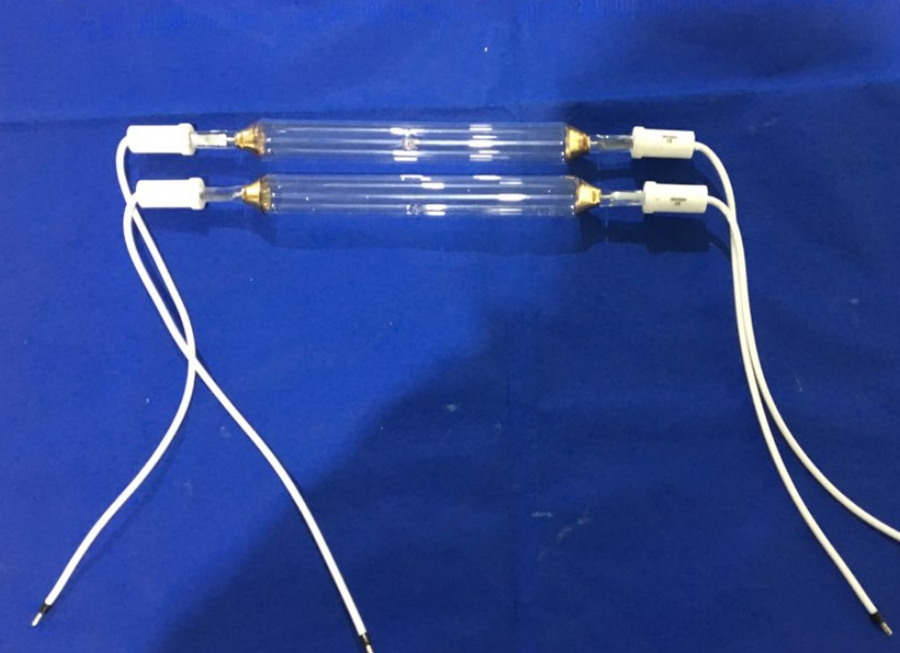
Getting Gallium Iodide UV Lamps Right (and Avoiding the Export Nightmare)
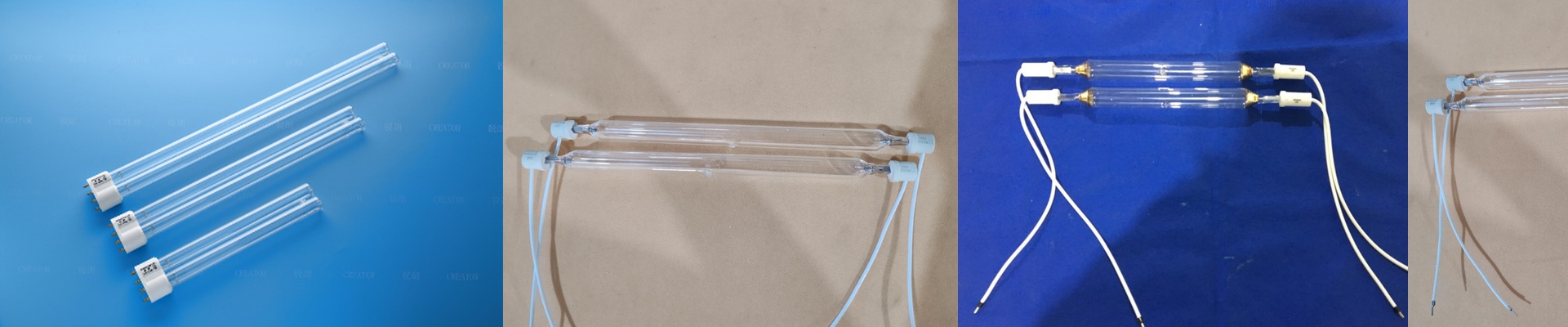
Let’s talk about Gallium Iodide (GaI) lamps. Most people stick with standard mercury lamps, but those aren’t always a great fit. If you’re doing high-precision curing or medical sterilization, you need a very specific wavelength—usually somewhere between 250nm and 350nm. That’s where GaI comes in.
The secret sauce of GaI
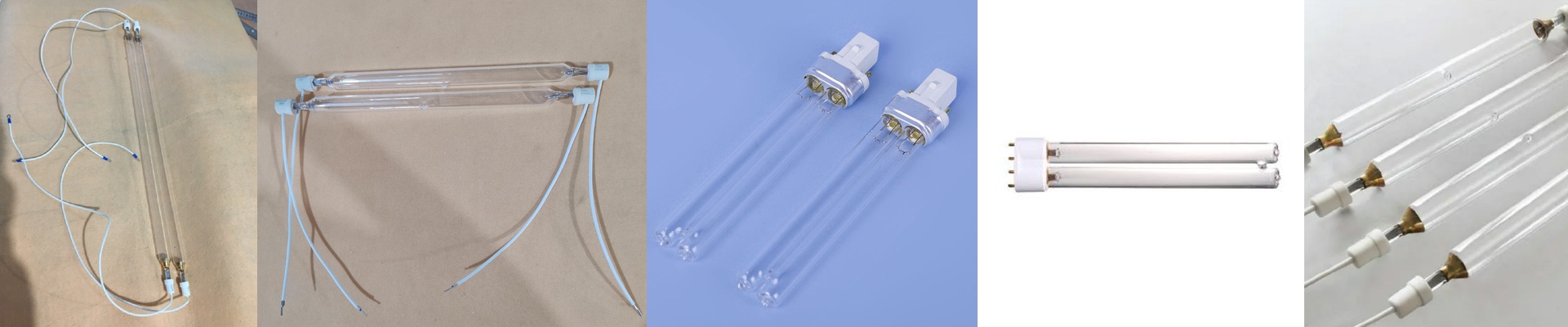
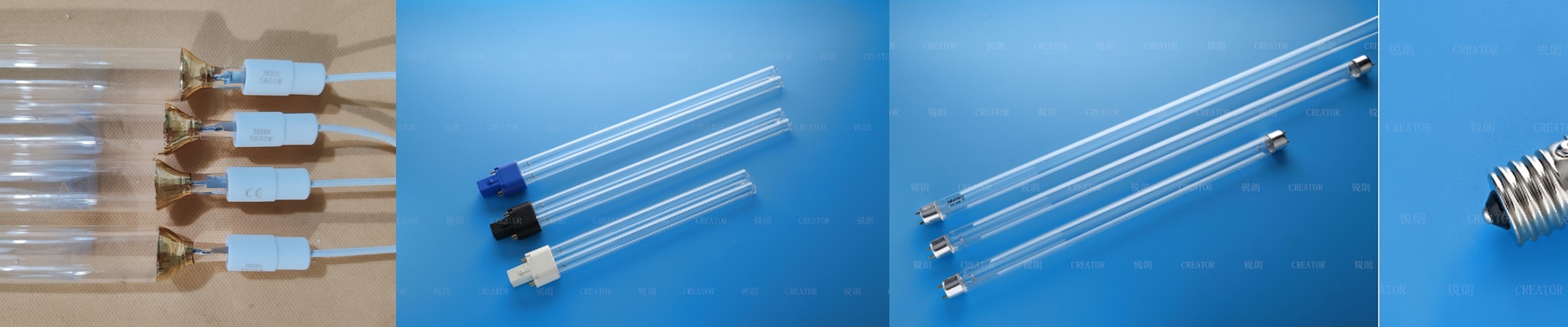
Here is how we do it: we dope the quartz envelope with gallium iodide. It changes the chemistry of the plasma inside, which lets us hit a peak output that perfectly matches your photo-initiator. The result? A much tighter spectral footprint. It solves that annoying problem where the surface of your product looks cured, but the core is still wet. No more “over-curing” the top just to get the middle to set. One heads-up, though: these lamps are powerful. You’ve got to be careful with your ballast. If your strike voltage fluctuates by more than 5%, you’re going to burn out your electrodes way too fast. Keep that power steady, or you’ll be replacing bulbs far more often than you’d like.
Why “cheap” lamps are a massive gamble
It’s tempting to go with a generic supplier to save a few bucks. But here’s the thing: a lot of those low-cost shops just copy electrode designs or gas mixes from the big brands. That’s a huge risk. If you build those copycat lamps into your machines and ship them to the US or EU, customs might just seize your entire shipment. IP infringement is no joke. We handle our own patents for the filling process and the materials we use. When we send over the technical docs, you’re getting a legal paper trail. It proves the tech is original. You aren’t just buying a piece of glass and some gas; you’re buying peace of mind so your hardware actually makes it across the border.
A few things to watch out for
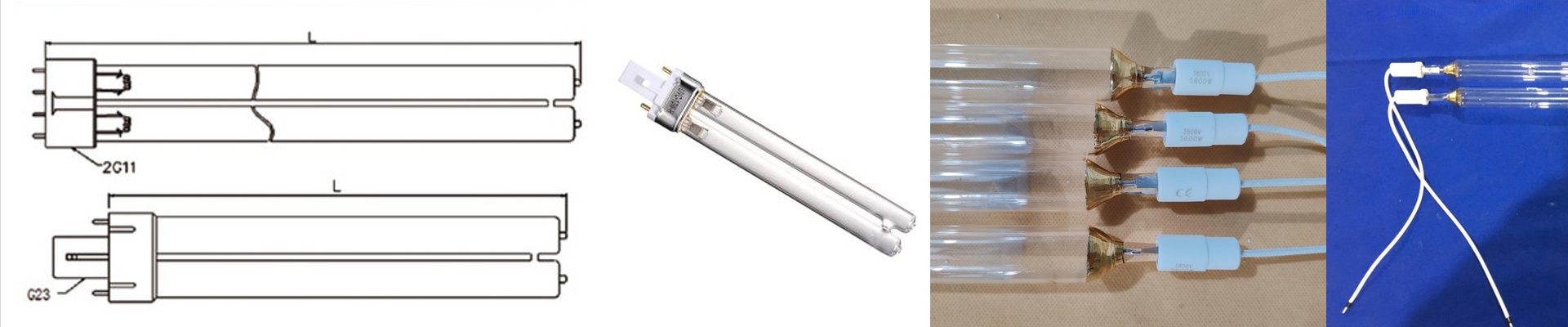
GaI lamps run hot. Really hot. Because the UV output is so intense, they kick off a lot of infrared waste heat. You can’t just wing it with the cooling. Make sure your fans or water jackets are actually beefy enough to pull that heat away. If the quartz tube gets too hot, the seal will pop and the lamp will blow. Just pair it with a stabilized power source and a solid cooling system, and you’re good to go.