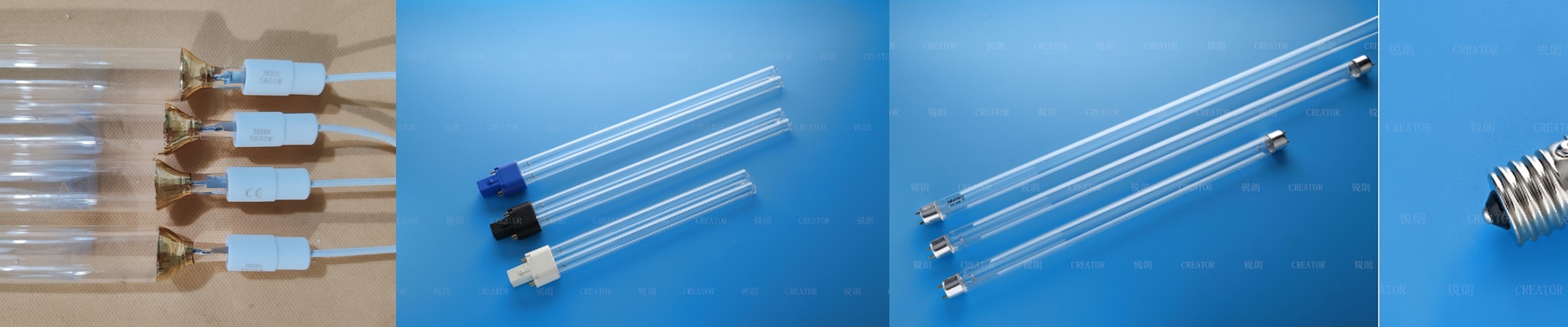

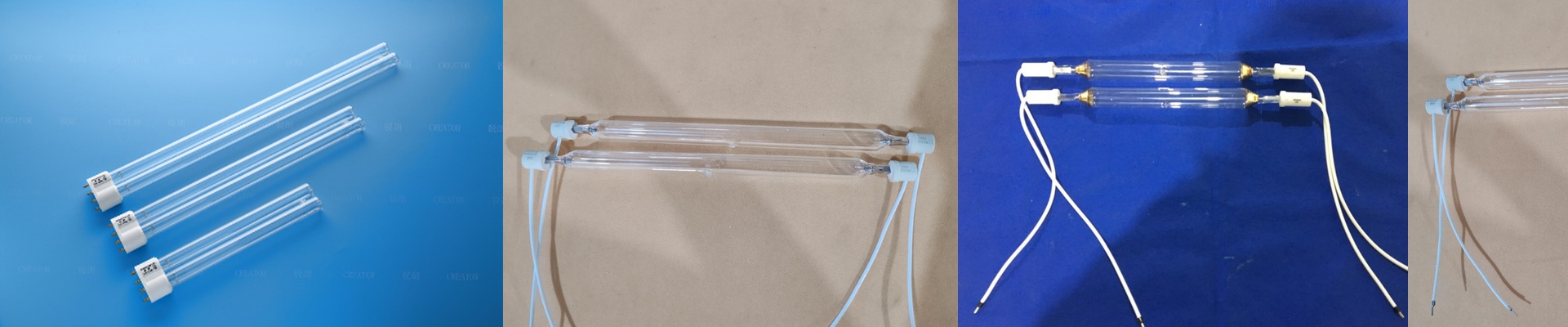
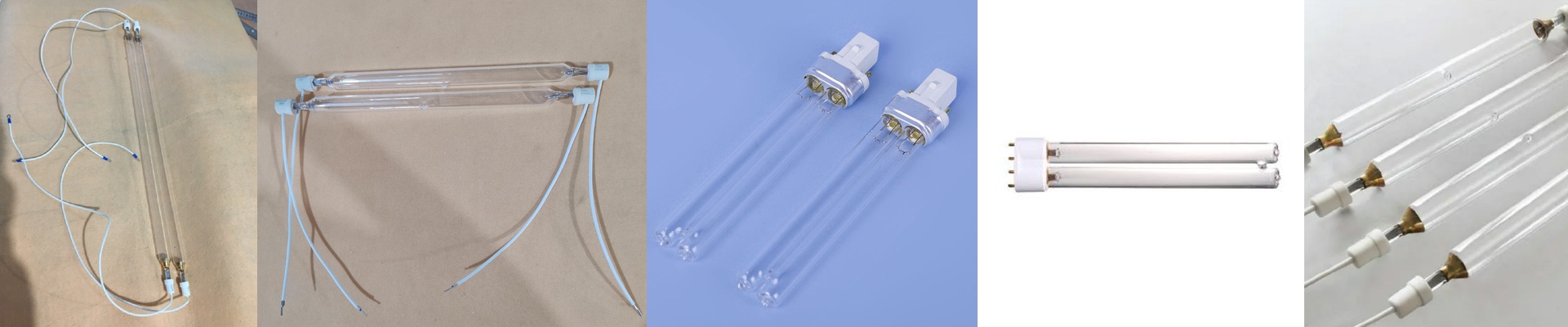
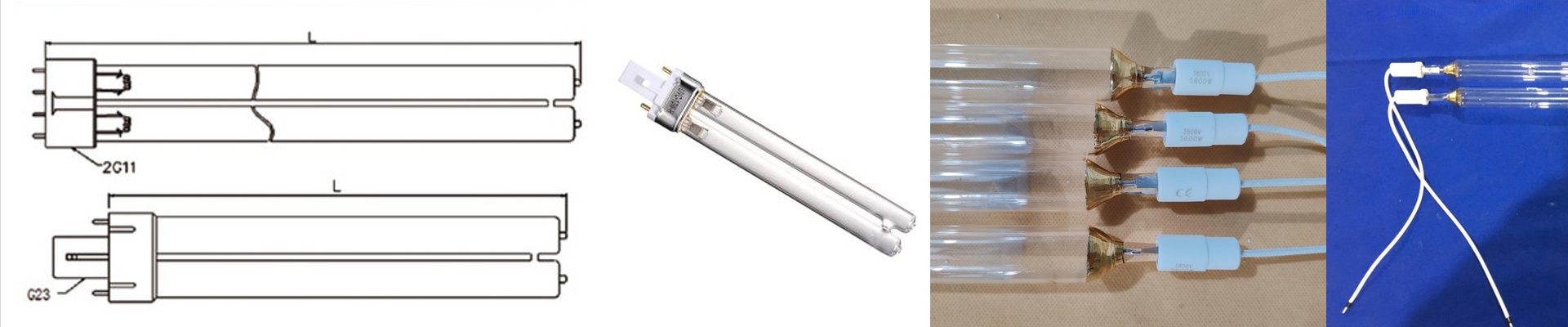
Let’s Talk About UV Energy (And Why It’s More Than Just Drying Ink)
Most people think UV curing is just a fancy way to dry ink. But if you’ve spent any time on a production floor, you know it’s actually about precision. We’re talking about using light to lock molecules together. In a modern automated setup, your UV lamp isn’t just a bulb—it’s a critical link in the chain. If your wavelength drifts by a few nanometers or the intensity dips, you aren’t just losing light. You’re losing product.
Getting the Spectrum Right
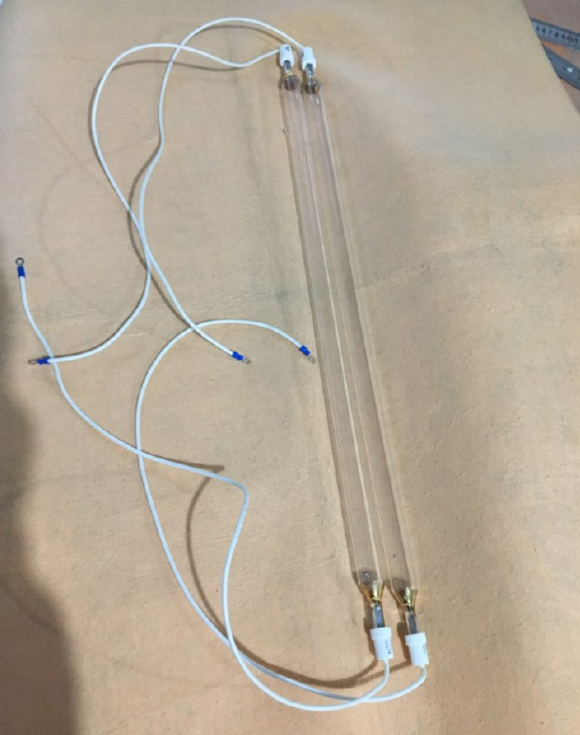
We don’t do “one size fits all” here. That’s a recipe for failure. Depending on what photoinitiator you’re using, we tune the lamp to hit specific peaks, usually in the UVC or UVA range. Then there’s the quartz envelope. It’s a bit of a balancing act. Thinner glass lets more energy hit your substrate, which is great for speed. But thinner glass also breaks more easily if your machinery vibrates. We figure out that sweet spot based on how fast your line is actually moving.
The Heat Problem
Here’s the thing: high-wattage UV arrays gethot. Seriously hot. When we push for higher irradiance to shave seconds off your cycle time, the heat load spikes. You can’t just crank the power and hope for the best. If your airflow isn’t dialed in for that wattage, you’re looking at burnt-out lamps or warped parts. To fix this, we focus on the reflectors. We want the energy hitting your product, not heating up the frame of your machine.
Making it Work in the Real World
A custom design is great, but it has to actually fit your footprint. We use standard connectors because nobody wants to spend their shift rewiring a whole system during a breakdown. You just want to swap the part and get back to work. We also obsess over the ballast. Why? Because electrical instability leads to flicker, and flicker leads to those annoying curing streaks. And finally, your sensors need to be spot on. The lamp should trigger the exact moment the part enters the chamber. It saves energy, and more importantly, it keeps your lamps from wearing out faster than they should.