
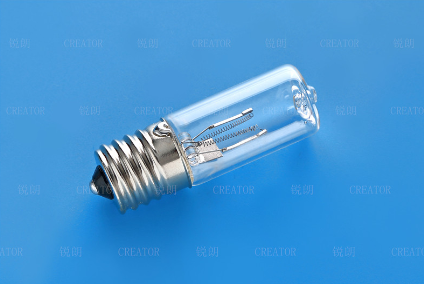
Why Most Industrial UV Lamps Fail (And How We Fixed Ours)
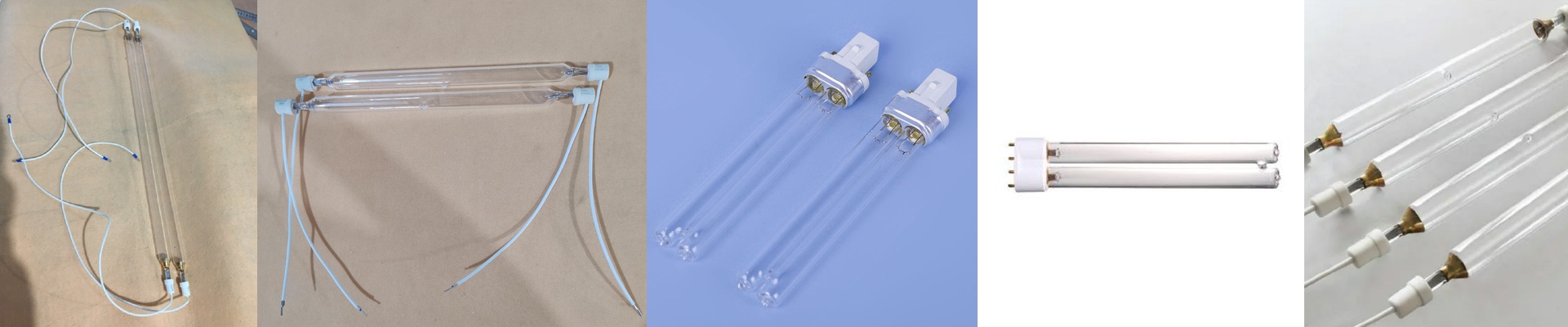
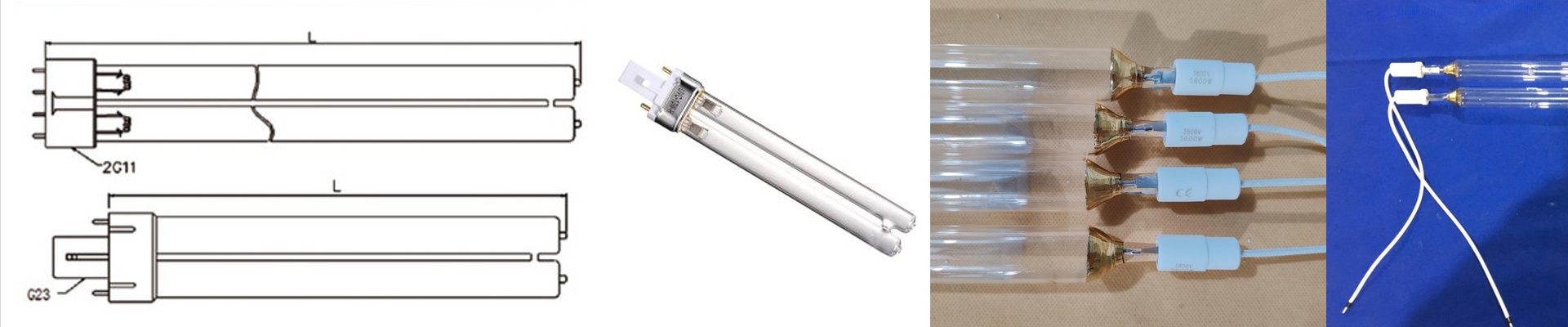
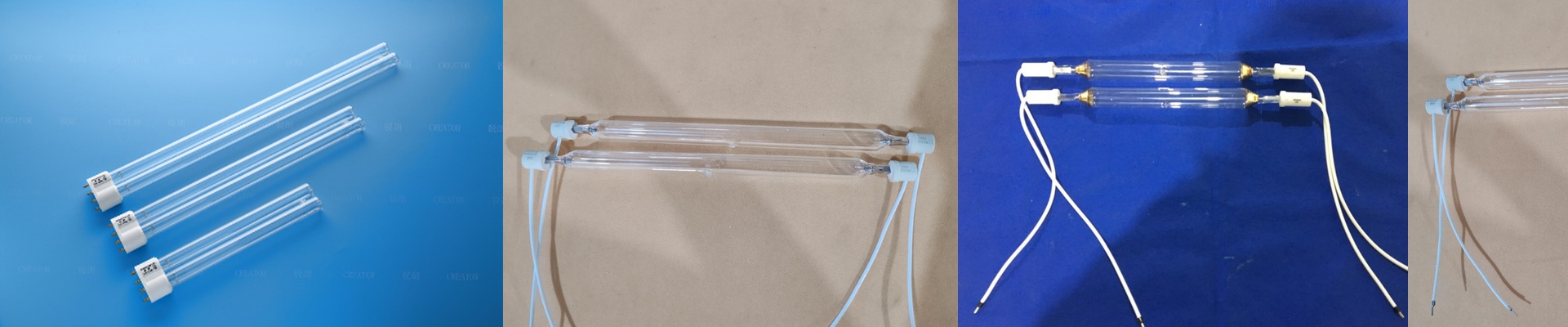
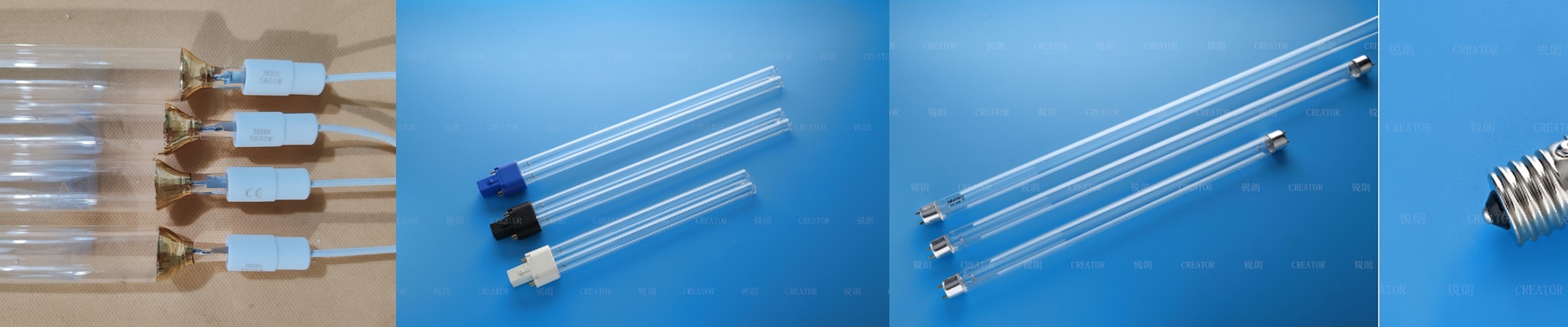
We didn’t design our lamps in a sterile lab. Instead, we spent time on the shop floors of 3,000 different printing plants. We wanted to see where things actually go wrong. Turns out, most off-the-shelf lamps are built for a “perfect” world. They don’t account for the constant shaking of a high-speed press or the suffocating heat inside a tight curing tunnel. So, we stopped chasing “standard specs” and started building for the actual messiness of a real production line. The struggle with power and heat Here’s the deal: you need the ink to cure deep and fast so it doesn’t migrate. To get that, you need power. But there’s a catch. If you cram too many watts into a short tube, the quartz envelope takes a beating. It’s like redlining an engine—eventually, it just burns out. We balance the wattage and the tube length so the lamp stays stable. You won’t see that annoying dip in UV output a few hours into a long run. It just keeps humming along. Materials that actually hold up We use high-purity fused quartz. Why? Because it lets the UV light through without absorbing the energy and overheating the lamp itself. And since we know how hectic a factory is, we reinforced the end-caps. We’ve all been there—trying to swap a bulb in a rush. You need a replacement that just drops in. You shouldn’t have to spend an hour recalibrating your reflectors every time you change a lamp. That’s just wasted time. Curing without the melt High-intensity lamps are great for speed, but they dump a ton of IR heat onto your materials. If your cooling system can’t keep up, your PET or paper starts to warp. Not ideal. We tweaked our lamps to hit specific wavelengths. This gives you the curing punch you need without turning your substrate into a melted mess. We build these things to take a beating in 24/7 environments. Because at the end of the day, you just need your gear to work.