
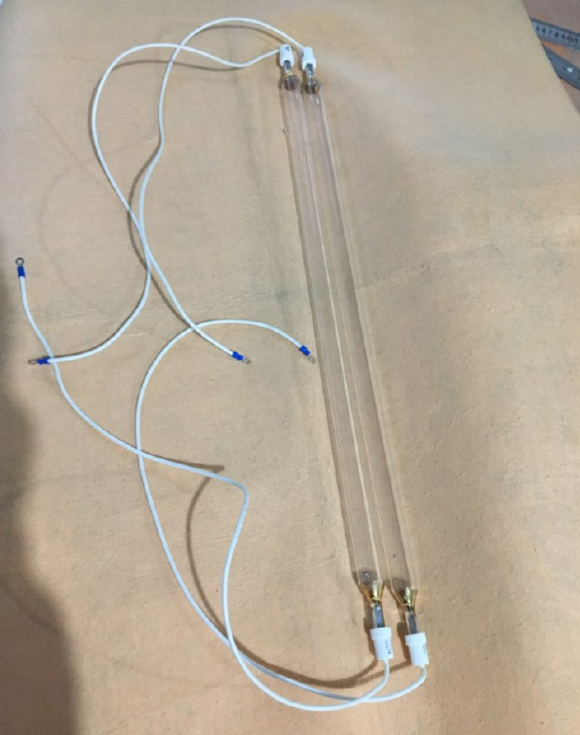
Getting Your UV Curing Right: The Truth About Quartz Tubes
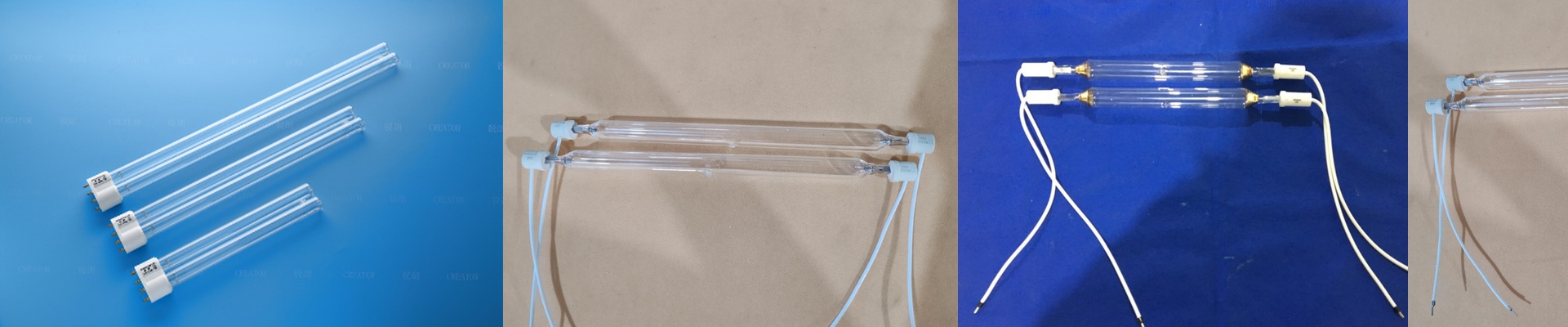
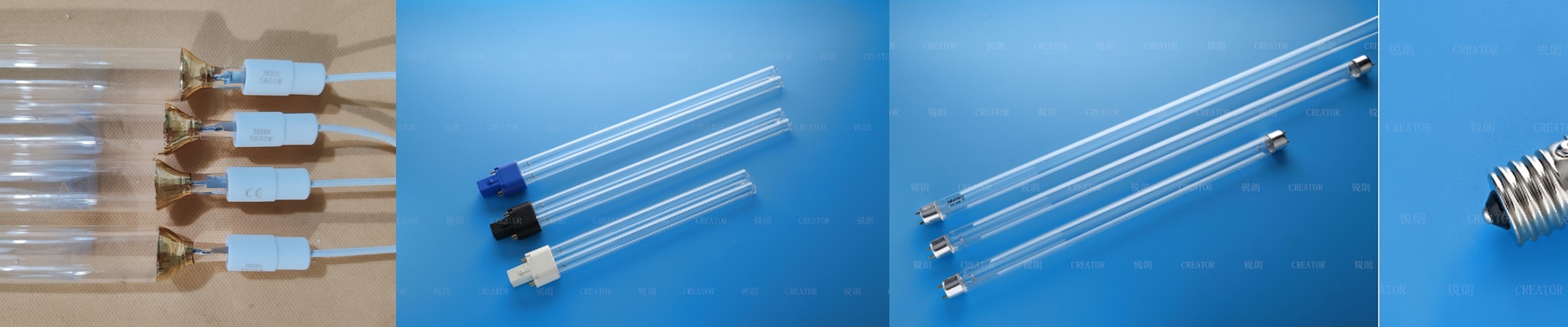
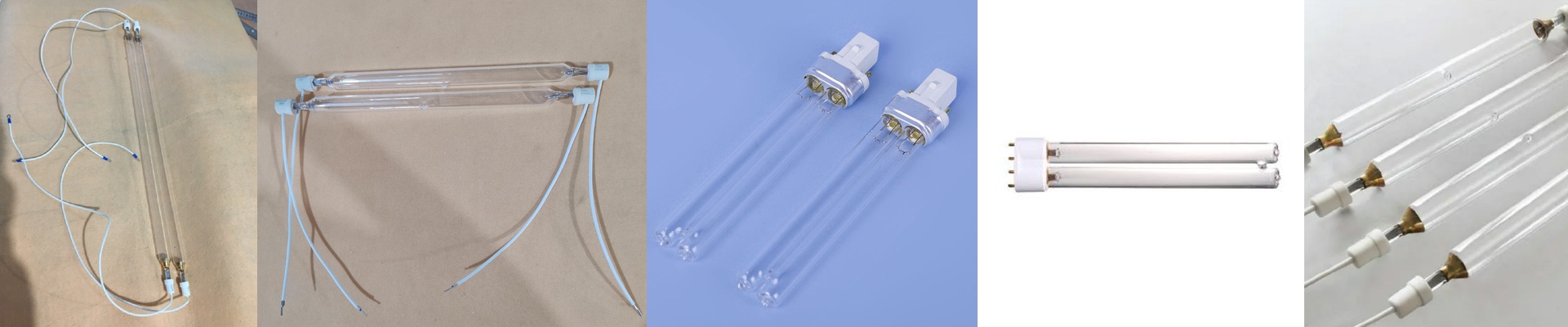
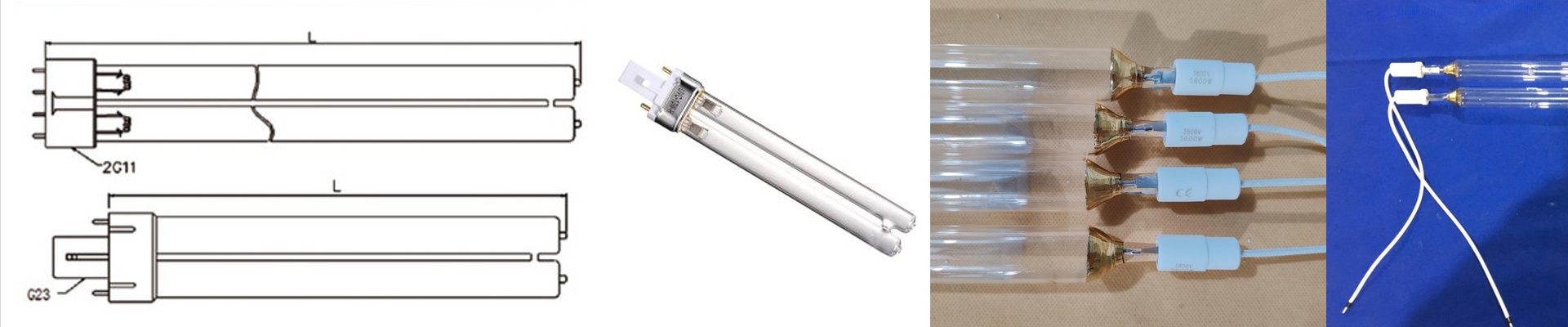
If you’ve ever worked with industrial printing, you know the drill. You need those inks and coatings to set now, or the whole line grinds to a halt. That’s where UV curing comes in, but the real heavy lifting is done by the lamp tubes. We build quartz UV tubes specifically for the chaos of high-speed production—the kind of environment where heat and electrical loads are constantly pushing your gear to the limit. Why quartz? Think about it this way: regular glass is basically a wall for UV radiation. It just stops it. Quartz, on the other hand, lets that energy fly right through. But it’s not just about the light. It’s about the heat. If your line starts and stops all day, your lamps are going through a brutal cycle of heating up and cooling down. Cheap materials crack under that kind of stress. High-purity fused quartz doesn’t. It takes the hit so your tube doesn’t blow out in the middle of a shift. The balancing act of power Here is the thing about wattage: more power means faster drying. If you’re dealing with thick layers of ink, you need that high photon density to flash-dry everything instantly. But don’t get greedy. It’s tempting to over-drive the lamp to squeeze out more output, but that’s a shortcut to disaster. If your ballast doesn’t match the tube’s rated voltage, you’ll fry the electrodes. You might get a bit more speed today, but you’ll be replacing a burnt-out tube tomorrow. The “little things” that matter We make these as drop-in replacements, so they should just work. We obsess over the fit of the end-caps and pins because a loose connection is a nightmare. When a pin doesn’t sit tight in the socket, you get arcing. That little spark doesn’t just kill the lamp—it can ruin your reflector, too. Not a fun way to spend a Tuesday. The heat trade-off There is a simple rule here: more UV equals more heat. Whenever you go for a high-intensity tube, you have to ask yourself if your cooling system can keep up. Whether you’re using air or water, that heat has to go somewhere. If it stays on the substrate, you’re looking at scorched materials or a warped conveyor belt. To make things easier, we ship these in wholesale batches. That way, every tube on your line is from the same match, and your curing stays consistent from the first print to the ten-thousandth.