
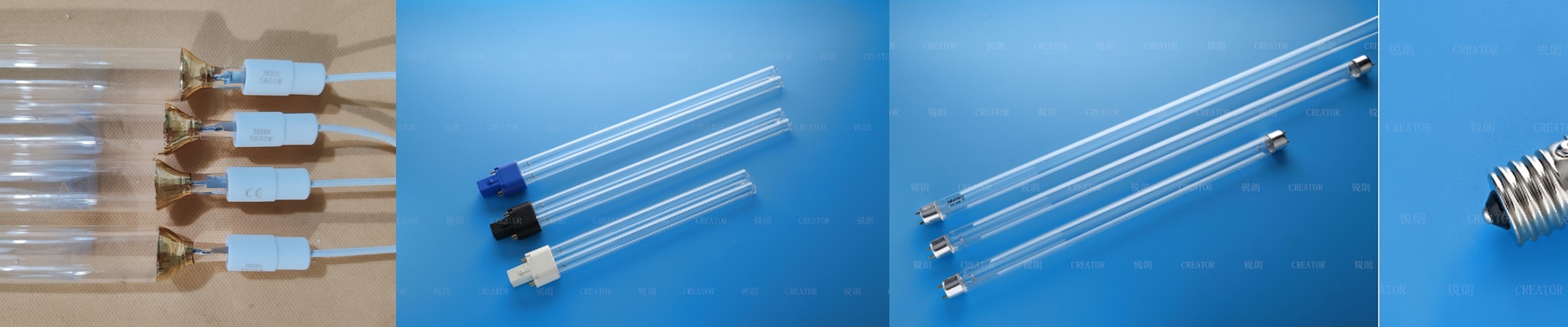
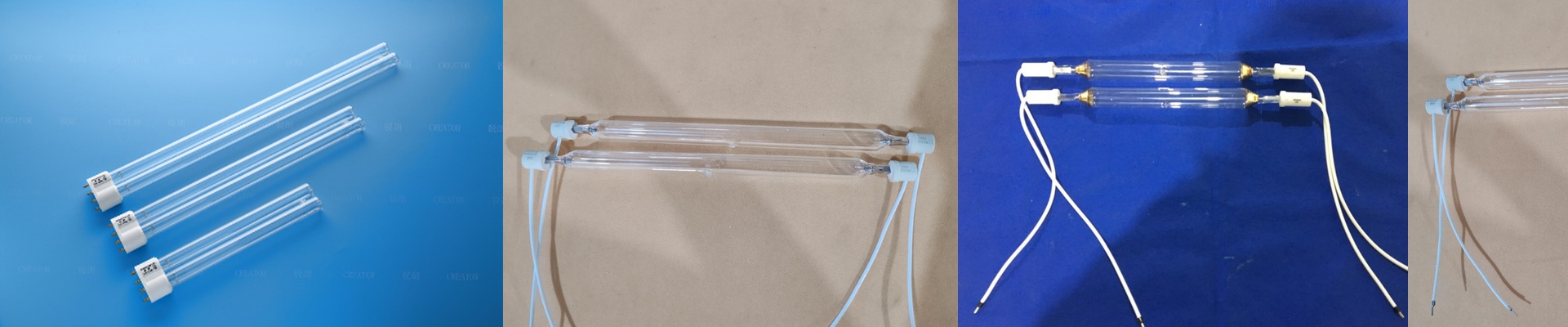
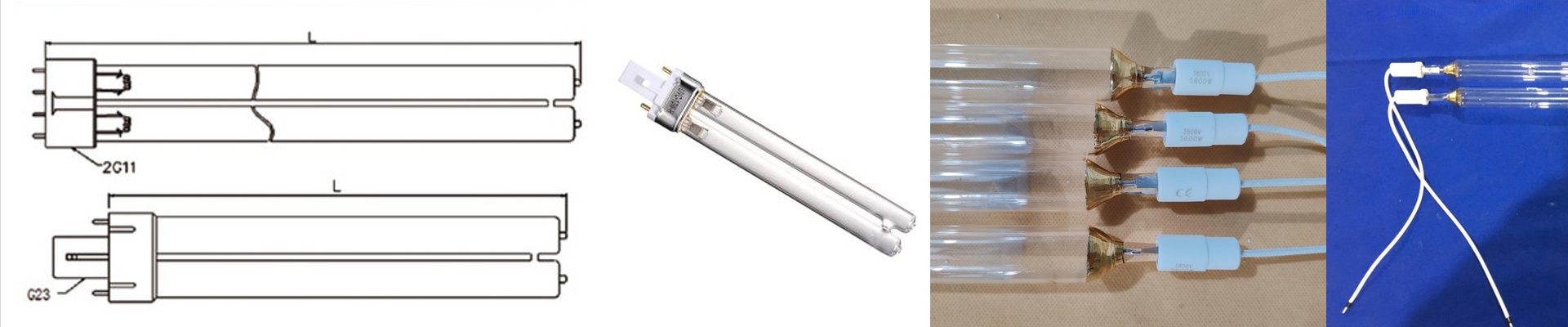
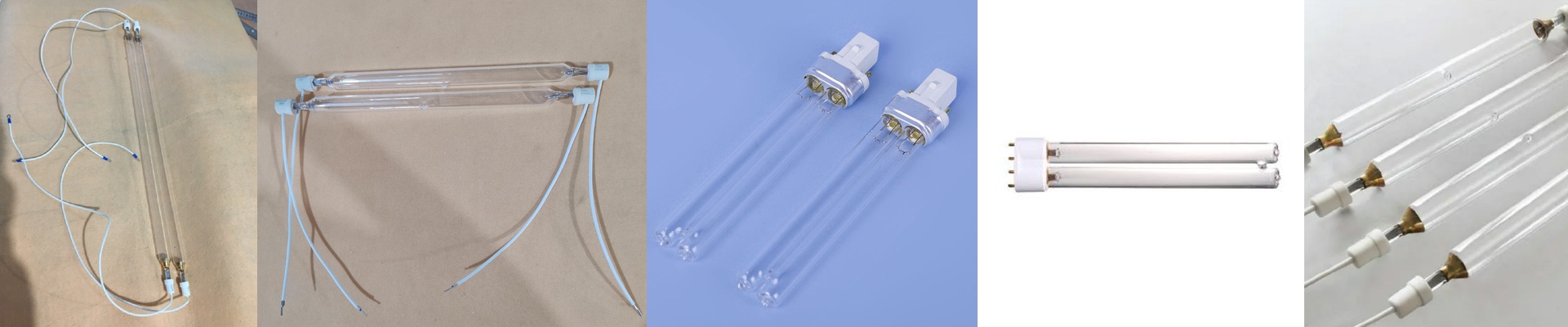
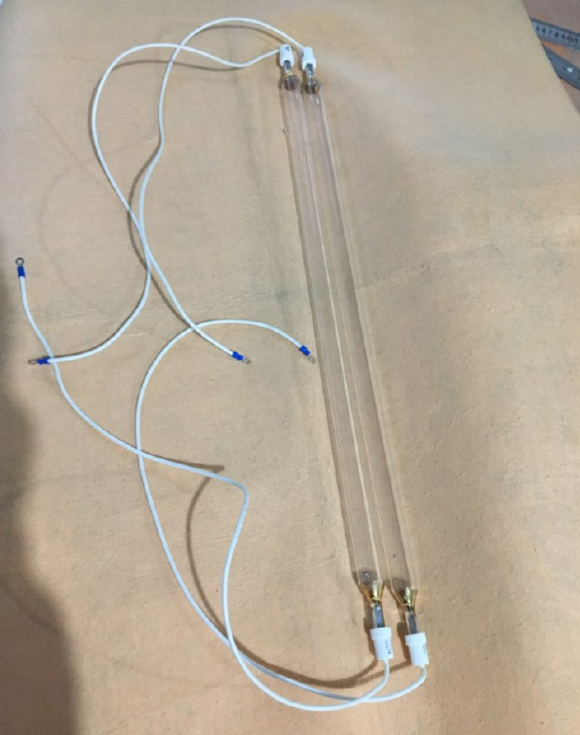
Walk the 2026 print exhibition floor and the same question follows you from booth to booth: how do you cure faster without chasing ink adhesion failures or scorching the web? Our custom UV lamp modules answered that one in real time, running on presses across offset, flexo, screen, and even gravure. What matters, technically We match spectral output to the photoinitiator window. With standard mercury vapor systems, the 365 nm line gives you deep cross-linking. For thin films and LED-like cure profiles, 385 nm and 405 nm get you surface-to-bulk through-cure with less exotherm. Peak irradiance is tuned to lamp length and reflector geometry, aiming for 800–1200 mW/cm² at the substrate. Energy density is managed through shutter response and dwell, typically 300–600 mJ/cm² for most sheetfed and narrow-web work. The reflectors use dichroic coatings to suppress IR and keep junction temperature stable. That’s how you get repeatable cure instead of a moving target driven by heat swings. Why it works in practice The on-show demos made one point clear: the same lamp platform adapts to different printing processes without tearing the press apart. Offset units run cooler at lower line speeds. Flexo can speed up with pin-free curing. And screen jobs cure thick deposits without blocking the mesh. The payoff is shorter changeovers, fewer rejects from incomplete cure, and energy draw that stays predictable. We’ve got modules logging 5,000+ hours with less than 5% output drop—as long as lamp current and arc length are set right. The details you can’t skip Matching lamp length, arc gap, and reflector focal height to your specific printhead and substrate path is non-negotiable. Ozone-free quartz envelopes help in tight spaces, but they still need solid airflow; otherwise you’ll cook the lamp and shorten its life. If the reflector oxidizes or lamp alignment drifts even 2 mm, expect about a 10–15% hit to peak irradiance. Plan the install around lamp warm-up stability, and verify cure with a spectral radiometer—not by feel.