
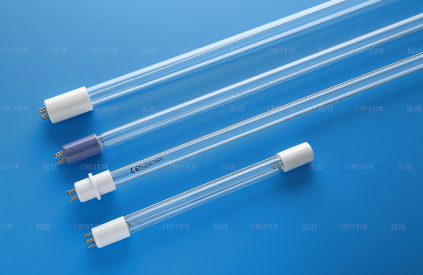
Stop treating your UV lamps like an afterthought
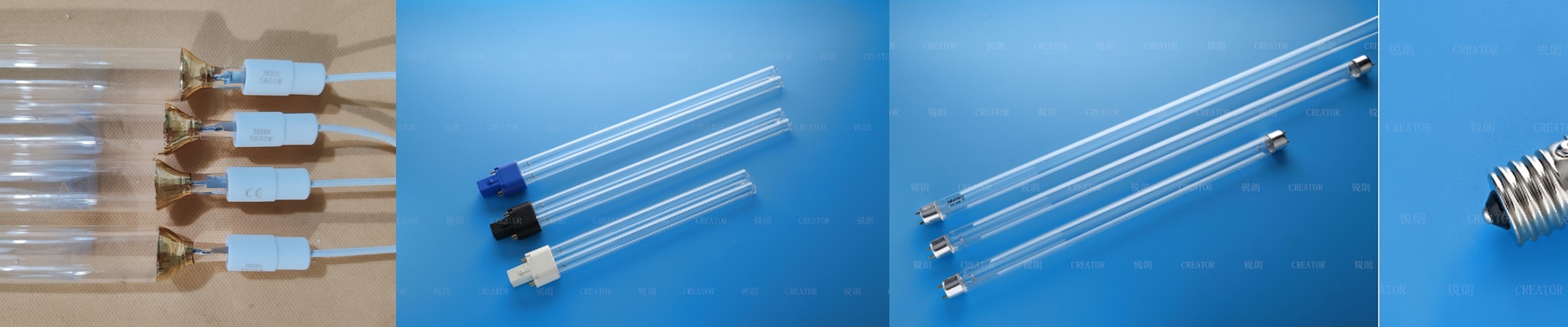
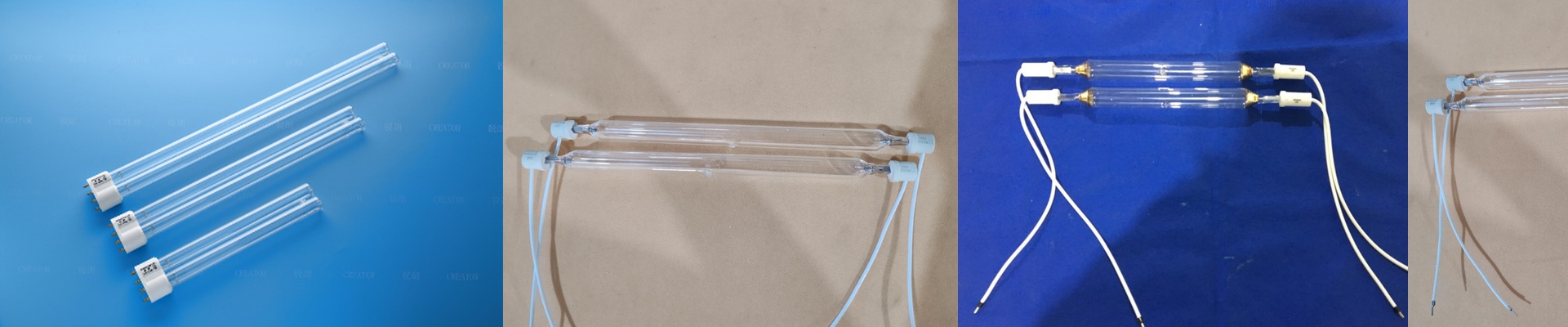
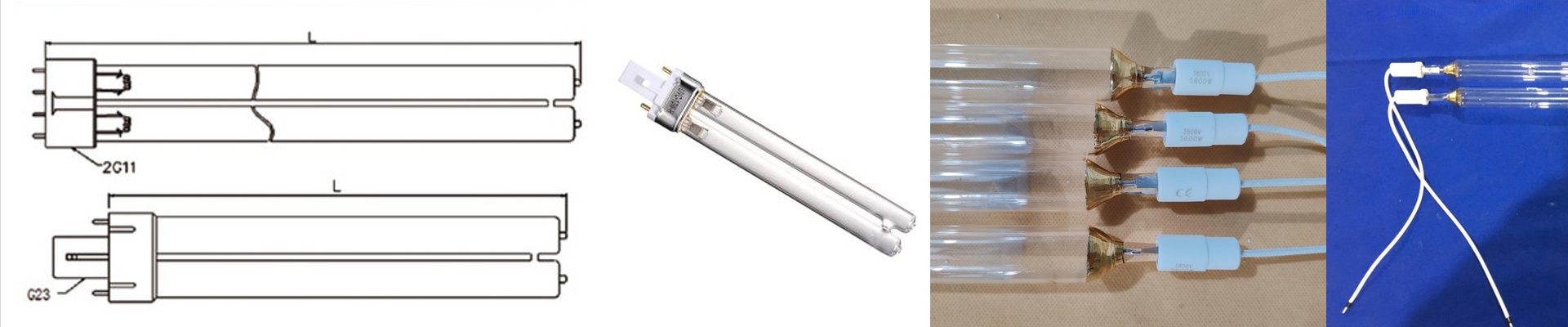
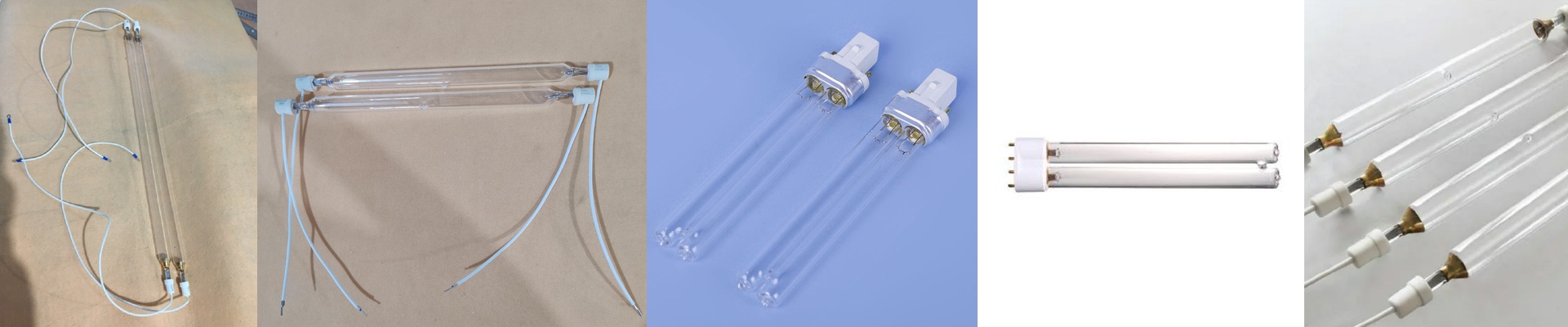
Most OEM manufacturers just treat UV lamps as another part to plug in and forget about. But here’s the thing: curing is usually where the whole production line hits a wall. If your lamp isn’t a perfect match for your ink and your speed, you’re stuck with surfaces that stay tacky or, worse, substrates that actually scorch. It’s not just about the wattage. People get hung up on power, but what actually matters is how much light is actually hitting the material. We look at the spectral output. Do you need UVC to get that surface tack just right, or UVA to make sure the ink cures deep down? Sure, cranking up the wattage can speed things up, but it puts a massive strain on your power supply. You have to find that sweet spot between power density and conveyor speed. Otherwise, you’ll end up with “under-cured” edges that ruin a whole batch. Dealing with the heat Then there’s the physical side of things. Space is always tight. We design our tubes and arrays to slide into those narrow chassis gaps without choking the airflow. Heat is the real enemy here. High-output lamps put off a ton of infrared energy. If your fans or water-jackets aren’t up to the task, your lamps will burn out way too fast—or you’ll start warping your materials. We give you the thermal data upfront so you can get your cooling sorted before the first prototype even touches the floor. Looking at the bigger picture Swapping in a replacement lamp might fix a problem for a week, but it doesn’t actually make your process better. We prefer to act more like consultants. We help you align the UV wavelength with your specific photoinitiators. When that clicks, everything just works. Fewer rejects. Faster lines. It’s about getting the electrical load, the heat, and the chemistry to finally play nice together. That’s how you actually drop your maintenance time and stop the constant downtime.