

Keeping Your Adelco Tunnel Furnaces Steady
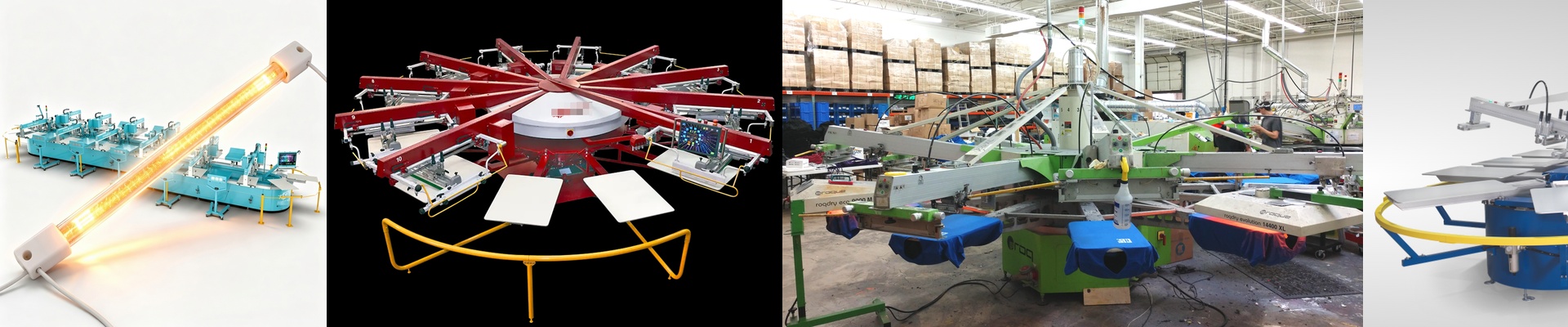
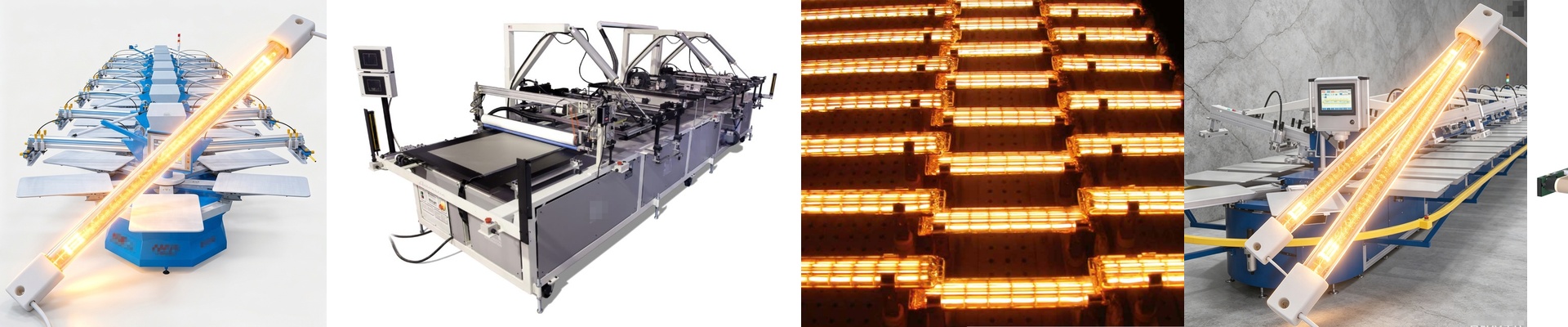
If you’ve ever run a long-distance tunnel furnace, you know the struggle. It’s a constant fight against heat loss and voltage drops. For those of us running Adelco drying and curing lines, the standard infrared lamps usually just don’t cut it—they hit the surface, but they don’t get into the heavy industrial loads. That’s why we use Ruby shortwave infrared lamps.
Why Ruby Lamps Actually Work
Here’s the thing about Ruby lamps: they operate on a shortwave spectrum. Instead of just baking the outside of your part, the heat actually sinks deep into the material. When your parts are moving through a long heating zone, this is huge. You get a much faster ramp-up and a core temperature that stays uniform. Plus, because these tubes pack so much power, you can either shrink the size of your furnace or crank up the line speed without worrying about the cure quality.
Avoiding the Common Headaches
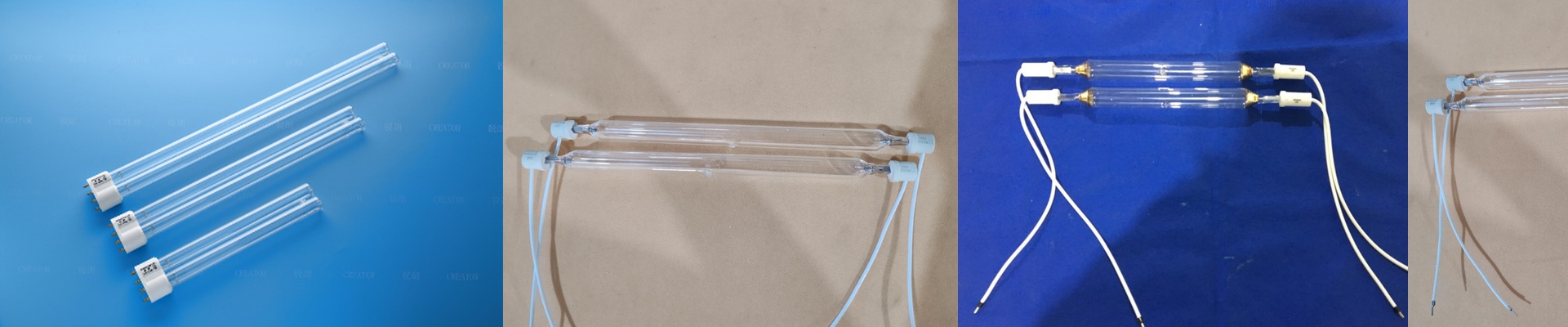
When we’re setting these up for a long tunnel, we focus on two things: the electrical load and the quartz envelope. We usually go with reinforced filaments. Why? Because frequent cycling kills cheap lamps. These are built to take the beating. But watch your voltage. If you’re running high-wattage tubes over a long stretch, a tiny drop—even 5%—can leave you with annoying cold spots at the end of the tunnel. Do yourself a favor and double-check your busbar sizing before you start wiring everything up.
Getting Them Installed (and a Warning)
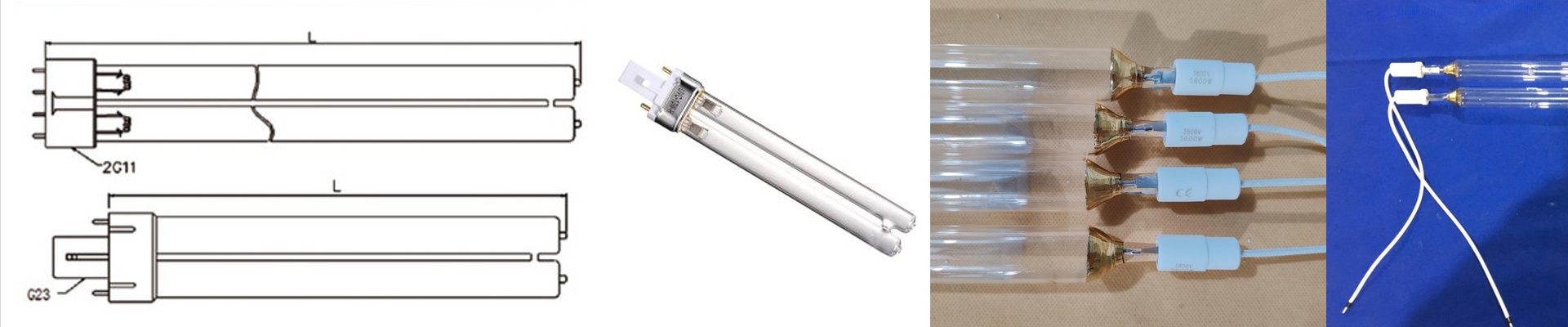
The good news is that these are drop-in replacements for the original Adelco arrays. We use precision-fit connectors so the electrical contact is tight. No loose wires, no arcing at the terminals. Simple. But there is a catch. Ruby lamps put out a massive amount of heat. If your exhaust system isn’t ready for that kind of BTU output, the ambient heat just builds up inside. Before you know it, your lamp sockets are overheating and your quartz is wearing out way too fast. Keep your airflow high. Your equipment will thank you.