Why “Close Enough” Doesn’t Cut It for Your M&R Cayenne Lamps
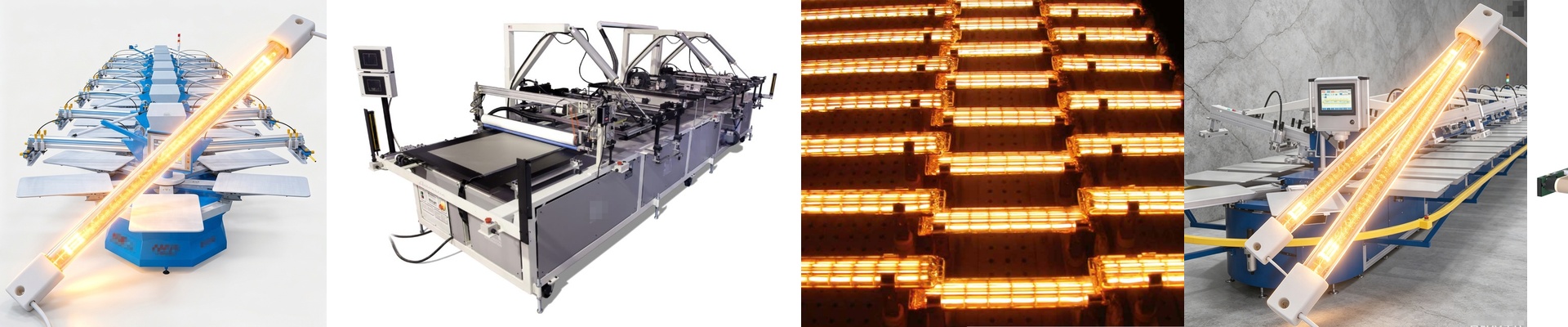
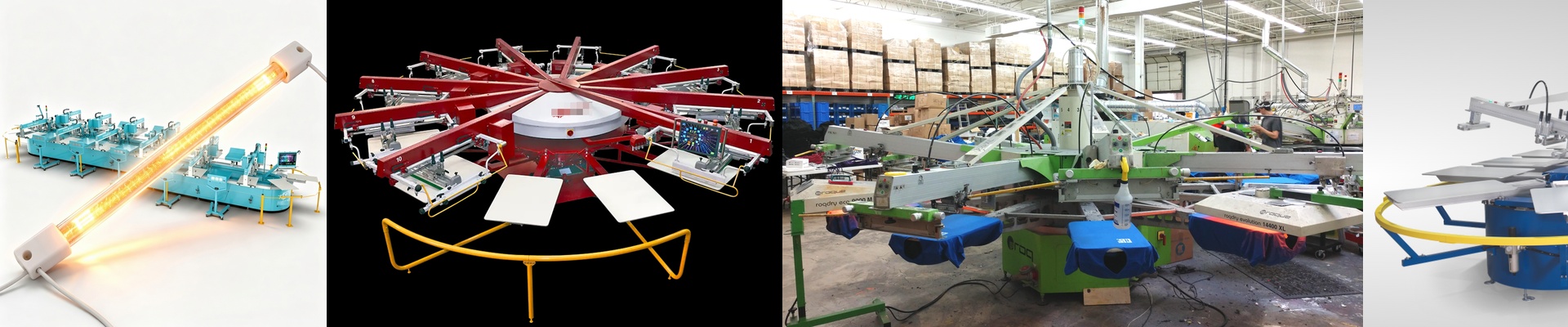
If you’ve ever run a high-volume screen printing line, you know the drill. The flash cure unit is usually where everything slows down. It’s the bottleneck. The M&R Cayenne is a beast, but it only works if those shortwave infrared (SWIR) lamps are hitting the ink at exactly the right temperature, right now. We don’t do “approximate” with our lamps. Why? Because “close enough” is how you end up with uneven curing or, even worse, a pile of burnt shirts.
The science (without the textbook)
Here’s the thing about shortwave output. To get that instant heat, you need a very specific balance of wattage and voltage. We use high-purity quartz glass and halogen gas fills. It sounds technical, but all it really means is that we’re pushing the heat into a tight spectrum. Instead of just warming up the air around the garment, these waves punch straight through the ink layer. It’s fast. Really fast.
The nitty-gritty on the build
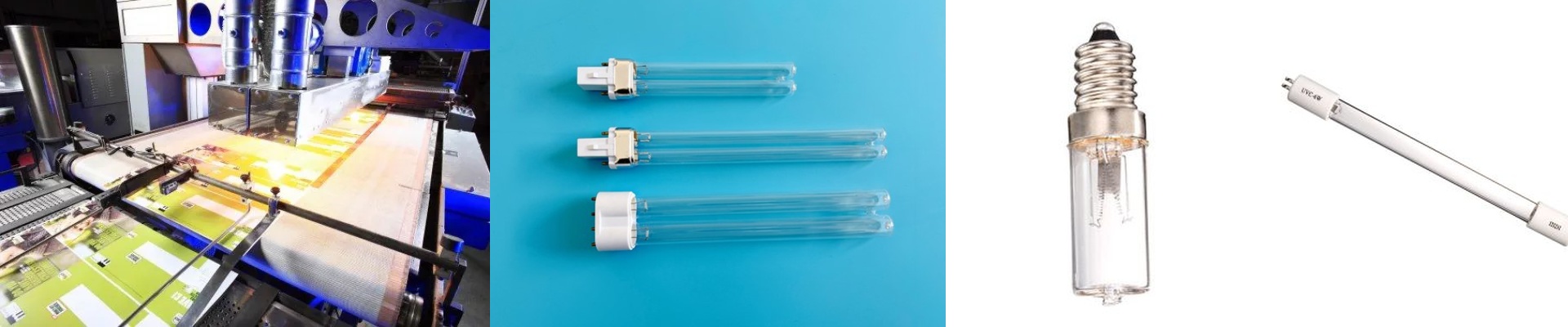
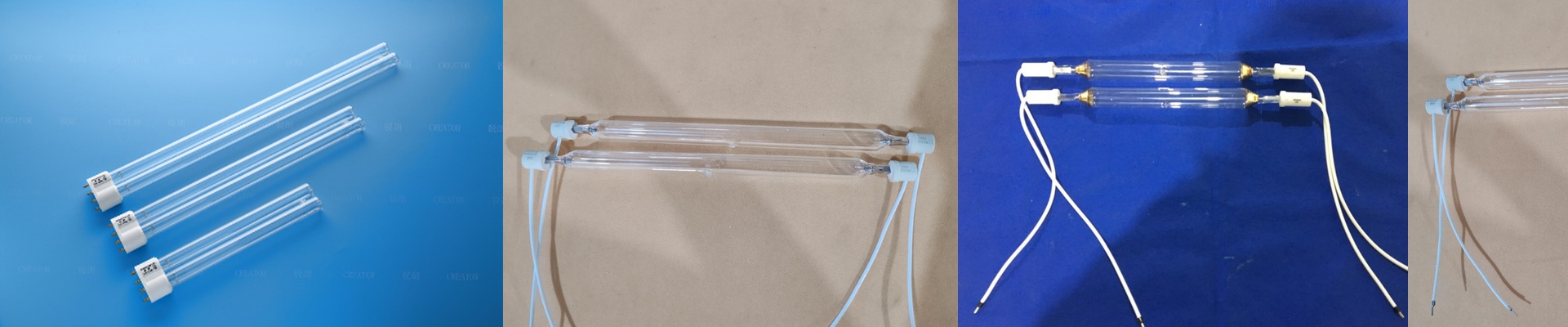
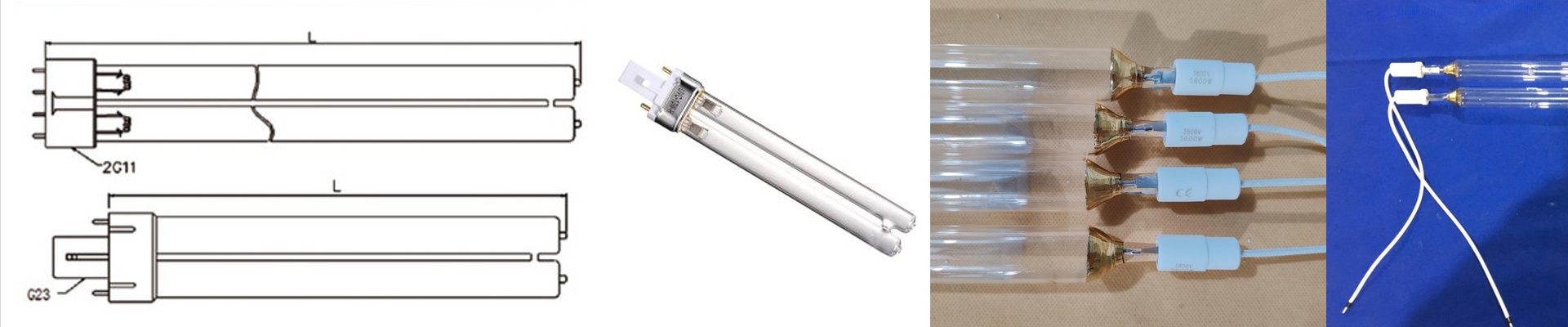
Depending on which Cayenne model you’re rocking, we use R7s or SK15 connectors. These aren’t your average off-the-shelf plugs. We use them because they can handle massive current without melting or pitting while the machine cycles on and off all day. We also coat the quartz to bounce the heat forward. You want that energy hitting the platen, not baking the inside of your machine housing. And a quick heads-up on fit: if a tube is off by even a couple of millimeters, it won’t sit right in the reflector. That creates a hot spot, and a hot spot is a great way to crack your quartz. We keep our tolerances tight so they just… fit.
Real talk for the shop floor
These lamps put out an incredible amount of heat density. Because of that, you’ve got to keep your reflectors spotless. If you’ve got dust or ink splatter on there, it absorbs the energy. Over time, that’ll actually warp your aluminum. Plus, keep an eye on your power. These lamps pull a lot of juice. Just make sure your electrical panels can handle the peak load so you aren’t tripping breakers right in the middle of a massive production run. We designed these as simple drop-in replacements. Swap them out, get the line moving, and get back to work.