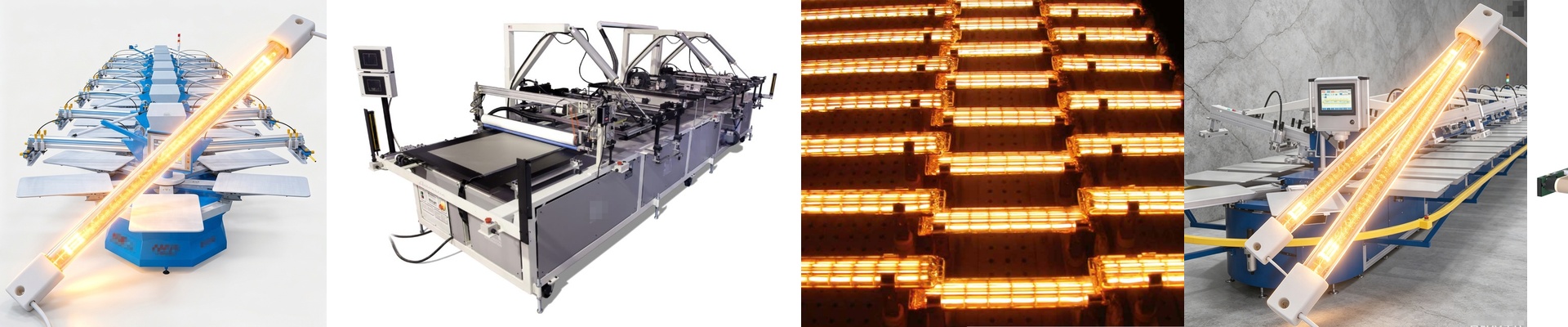
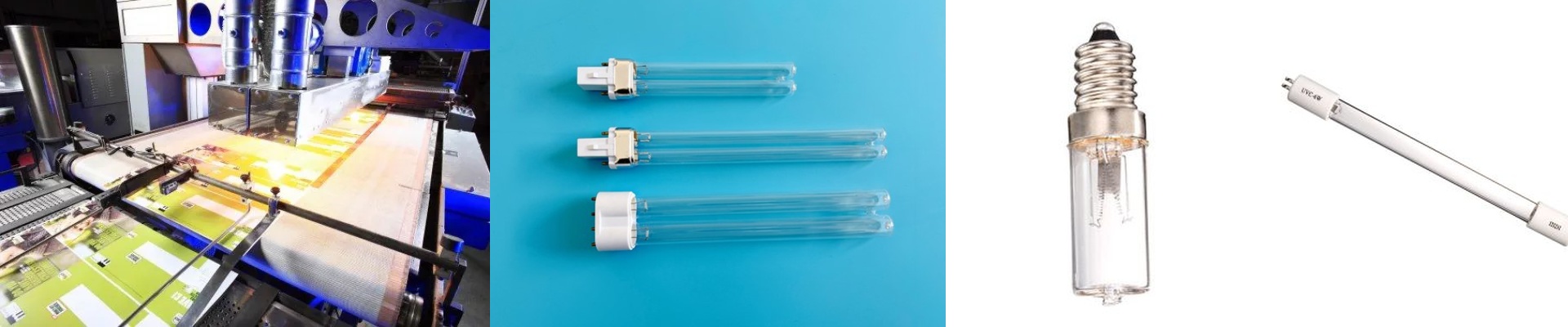
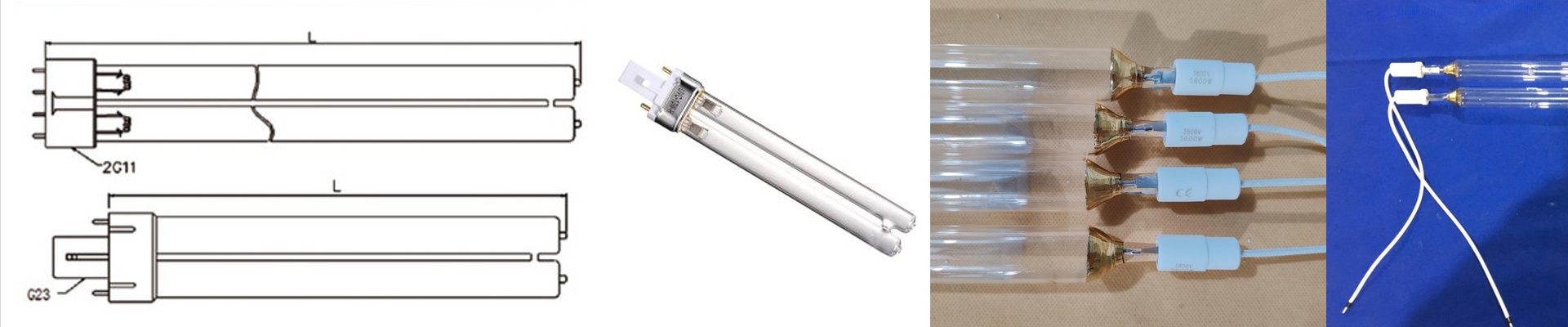
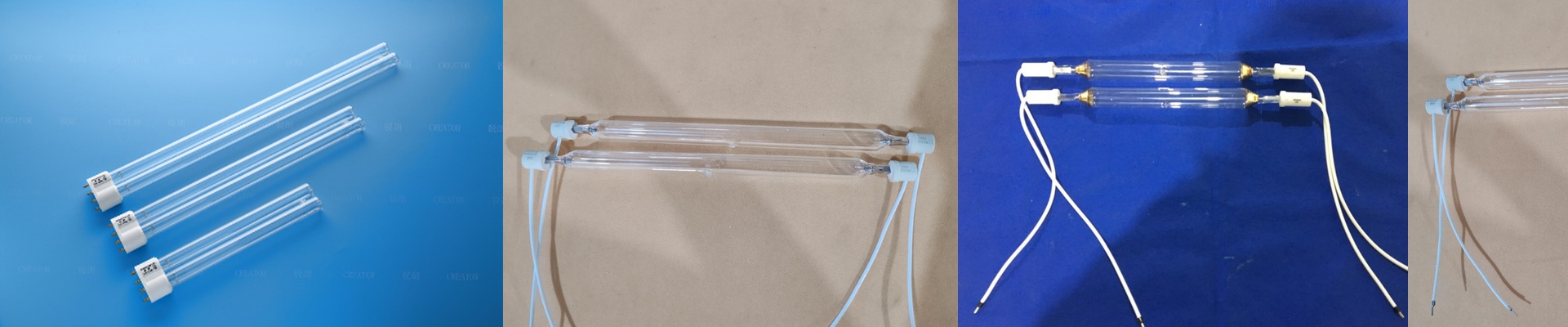
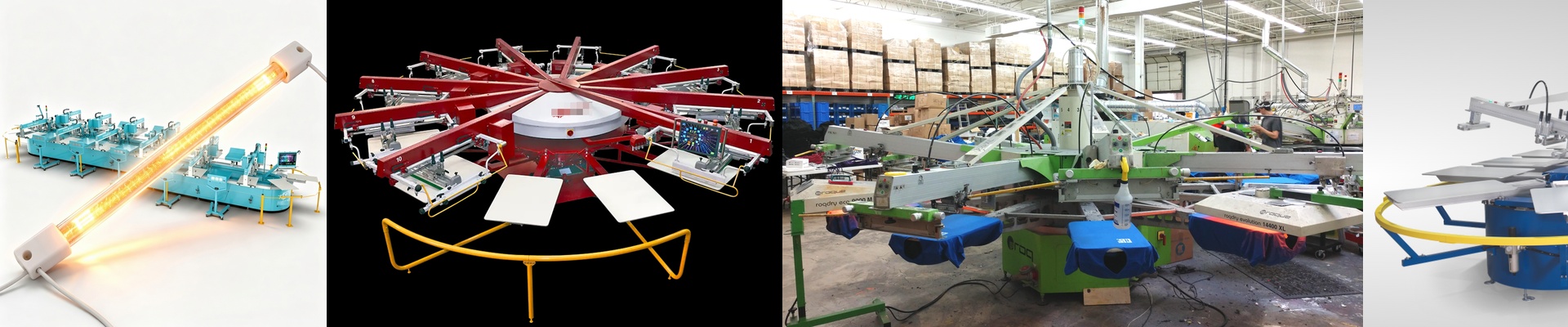
Why Your Flash Cure Elements Actually Matter
If you’re running a high-end screen printing setup, you know the drill. You need that ink set in a heartbeat, but you can’t afford to scorch the fabric. It’s a tight window. That’s why we build our shortwave infrared (SWIR) lamps as OEM components. Generic lamps just don’t have the precision. They’re too blunt for this kind of work. Let’s talk power. Flash curing is all about that instant hit of heat. We pack a ton of wattage into a small space so you aren’t waiting around. Whether you’re using a 230V or 400V element, it’s a balancing act. Higher voltage lets us use thinner filaments, which means they hit peak temperature way faster. No more lagging during a big production run. One quick tip: make sure your power supply matches the lamp’s impedance. If they’re fighting each other, you’ll see the ends of the electrodes burn out way too soon. It’s a waste of money. The glass and the “secret sauce” We use high-purity quartz because it can handle the stress of heating up and cooling down a thousand times without warping. You might notice a coating on some of our designs. It’s not there to look pretty. It actually shifts the infrared spectrum so the heat sinks deep into the ink rather than just searing the surface of the shirt. And since we use standard R7s or Sk15 connectors, these are just drop-in replacements. When a tube dies, you swap it out and get back to work. No rewiring, no headache. Keeping things running in the real world These elements put out a massive amount of heat. It’s fast, sure, but it puts a lot of pressure on your reflectors. Here’s the thing: if your reflector plates are dirty or pitted, that heat bounces right back into the quartz. That’s how you get glass failure. Keep those reflectors polished. It’ll make your elements last much longer. We build these things to survive the grind of a 24/7 factory. Just make sure your cooling fans are actually doing their job and keeping the ambient heat under control.